MIT researchers make stamp-size stickers that can scan the human body
The Hindu
MIT professor Xuanhe Zhao said the development could open a new era of wearable imaging
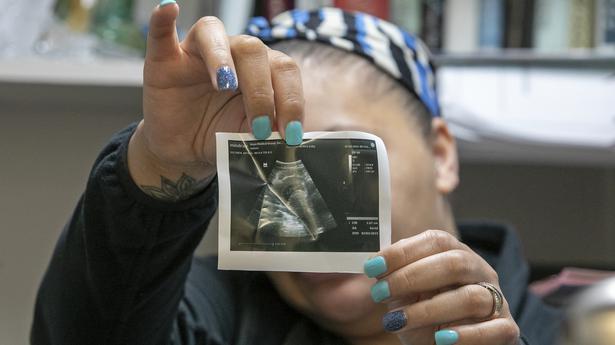
MIT researchers have developed small stickers that can capture images of heart, lungs, and other internal organs using ultrasound technology.
(Sign up to our Technology newsletter, Today’s Cache, for insights on emerging themes at the intersection of technology, business and policy. Click here to subscribe for free.)
“We believe we’ve opened a new era of wearable imaging: With a few patches on your body, you could see your internal organs,” Xuanhe Zhao, professor of mechanical engineering at MIT, said in a statement.
The stamp-sized device sticks to the skin and can provide continuous ultrasound imaging of the internal organs for 48 hours.
The sticker measures about two square centimetres across, and is three millimetres thick — about the area of a postage stamp, according to the release.
The researchers applied the stickers on volunteers, which produced live, high-resolution images of major blood vessels and deeper organs like the heart and lungs. The images captured changes in these underlying organs as volunteers performed various activities, including sitting, standing, jogging, lifting weights, and biking.
Currently, ultrasound imaging needs bulky and specialised equipment available only in hospitals and doctors’ offices. This new device might make the technology as wearable and accessible as buying Band-Aids at the pharmacy, according to the researchers.


The Thane police have arrested two co-founders of cryptocurrency exchange platform CoinDCX in connection with an alleged fraud of Rs 71.6 lakh, officials said

Meta Chief Executive Mark Zuckerberg is building a CEO agent to help him do his job, the Wall Street Journal reported

Insurance penetration and density are often misunderstood and do not reveal how many families are insured or whether they would be financially secure if the main earning member were to die. The real issue is not reach but adequacy, as households may have life insurance but not enough cover to replace lost income, leaving them financially vulnerable.

Five top firms lose ₹1 lakh crore in market value, with HDFC Bank experiencing the largest decline of ₹56,124.48 crore.

L&T confirms 95% of its West Asia project sites are safe, while addressing logistics challenges amid ongoing regional conflicts.

Mines Ministry to auction 19 critical mineral blocks on March 23, expanding strategic resources for clean energy and technology sectors.

Mines Ministry to auction 19 critical mineral blocks on March 23, expanding strategic resources for clean energy and technology sectors.

Five top firms lose ₹1 lakh crore in market value, with HDFC Bank experiencing the largest decline of ₹56,124.48 crore.

HDFC Bank terminates three senior officials over client onboarding issues at its DIFC branch amid ethical concerns following chairman's resignation.

Air India CEO warns of potential flight cuts and reduced travel demand due to rising fuel costs amid ongoing Gulf conflict.

Options are widely used by retail traders to speculate on the value of the stock for immediate gains and such behaviour in large scale can distort the market

India achieves 1 billion tonne coal production for the second consecutive year, ensuring stable energy supply and economic growth.

Generic drugmakers in India launch affordable Semaglutide versions, targeting a $1 billion diabetes and weight loss market.