Microgravity increases core body temperature: IIST model Premium
The Hindu
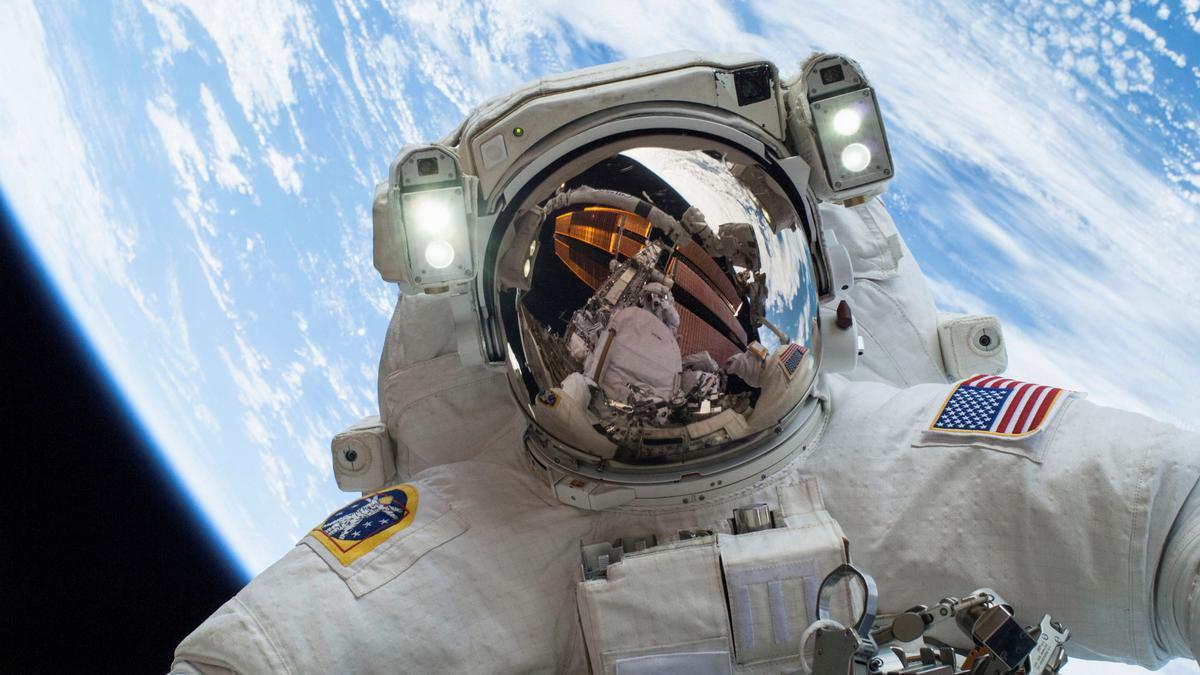
IIST researchers use a model to study how microgravity impacts core body temperature and thermoregulation in astronauts.
The Voyager 1 spacecraft was 25 billion km away in February, somewhere in the outer edge of the solar system. It’s the farthest a human-made spacecraft has gone from the earth. The hope is that in the distant future, a human astronaut will be able to go where Voyager 1 has been — a journey that could take several years of spaceflight.
An important factor that determines an astronaut’s well-being on such journeys is thermoregulation: their body’s capacity to maintain a stable internal temperature. In the unique microgravity environment of space, this process faces significant challenges.
Now, researchers at the Indian Institute of Space Science and Technology (IIST), Thiruvananthapuram, have published a study reporting that “microgravity consistently increases core body temperature, with fluid shifts playing a crucial role in thermal balance,” in the words of Shine S.R., a professor of aerospace engineering at IIST and an author of the study.
Human bodies respond differently to temperature changes based on age, fitness level, and body fat, among other parameters. In environments with near-zero gravity like space, the human body changes significantly, affecting bones, muscles, the heart, the immune system, metabolism, even individual cells. Some of the resulting complications can be severe, so space agencies and astronauts continuously monitor the spacefarer’s body temperature.
Scientists using a computer model to evaluate the body’s ability to regulate temperature in specific conditions must also account for “physiological changes observed in space, including blood shifts, metabolic variations, muscle atrophy, and environmental influences”.
Shine said his team has developed a 3D computational model of human thermoregulation that “incorporates these changes to simulate the effects of microgravity on thermoregulation, including blood redistribution, reduced blood volume, changes in metabolism, and alterations in bone and muscle mass”.
According to Chithramol M.K., PhD student at IIST and first author of the study, the team’s studies were limited by sufficient as well as accessible data on metabolic changes. In situations where data was unavailable, she said they tested how different factors changed their results and used their “best judgment and standard engineering practices” to assess their impact.


Perundurai's industrial growth faces challenges of pollution, water scarcity, and healthcare, impacting residents ahead of the 2026 elections.

The Travancore Devaswom Board asserts that courts should respect community beliefs in its Supreme Court submission on Sabarimala's entry issue.

Karnataka cancels Deendayal Upadhyay event at KSOU due to protocol violations, citing inconsistency with university objectives.

Illegal pickle unit busted in Hyderabad, one arrested; unhygienic stock worth ₹3 lakh seized

Karnataka has entered a state of demographic transition where a large working-age population will no longer be enough to drive economic growth, and future gains will depend on how productively people are employed, the ‘State of Working India 2026’ report said.

Key demands in Sulur Assembly constituency include reviving the powerloom sector, addressing farmers' needs, and protecting River Noyyal.

Kodihalli urges Karnataka CM to allocate ₹10,000 crore revolving fund for seamless procurement of farm products under MSP scheme.

Kerala's political parties continue to marginalize women candidates, highlighting a troubling disconnect between gender demographics and representation.

The High Court of Karnataka on Tuesday ordered the issue of a notice to the State government on a PIL petition, which had complained about disturbances caused to people residing in the localities around the National Public School situated in Rajajinagar 5th block due to use of loudspeakers with high volume in the school and parking of school buses in residential areas.

China is extensively mapping ocean floors to enhance submarine warfare capabilities against the U.S. and allies across key oceans.

AIADMK's 2026 manifesto promises free rations, women's benefits, education reforms, and economic growth initiatives for Tamil Nadu.

The vehicle towing drive will soon resume in the city to ease traffic congestion. The Bengaluru Traffic Police (BTP), in coordination with the Greater Bengaluru Authority (GBA), is set to relaunch the vehicle towing drive across the city shortly to tackle traffic congestion and illegal parking.

Panic buying, not shortage, is leading to long queues at Hyderabad petrol pumps.