Is It Still Safe To Use Plastic Wrap?
HuffPost
A food scientist, a foodborne illness attorney and other experts weigh in.
As a millennial kid growing up before eco-friendly-everything was commonly available and sought-after, I remember a big roll of Saran wrap always hanging out in the kitchen cabinet. Leftovers of all kinds, from raw steaks to casseroles to pudding to brownies, were stored in their cooking or serving vessels, but with a tight layer of plastic wrap stretched over the top. That just seemed like the obvious way to protect food from oxygen, insects or weird fridge odors.
But as I’ve grown up and started to pay more attention to my plastic usage, I now wonder whether my mom’s supposed failsafe method really keeps cooked dishes and raw ingredients fresh.
I turned to a food scientist, an attorney who specializes in foodborne illnesses, and a number of academic sources to dig into these questions, and here’s what I learned.
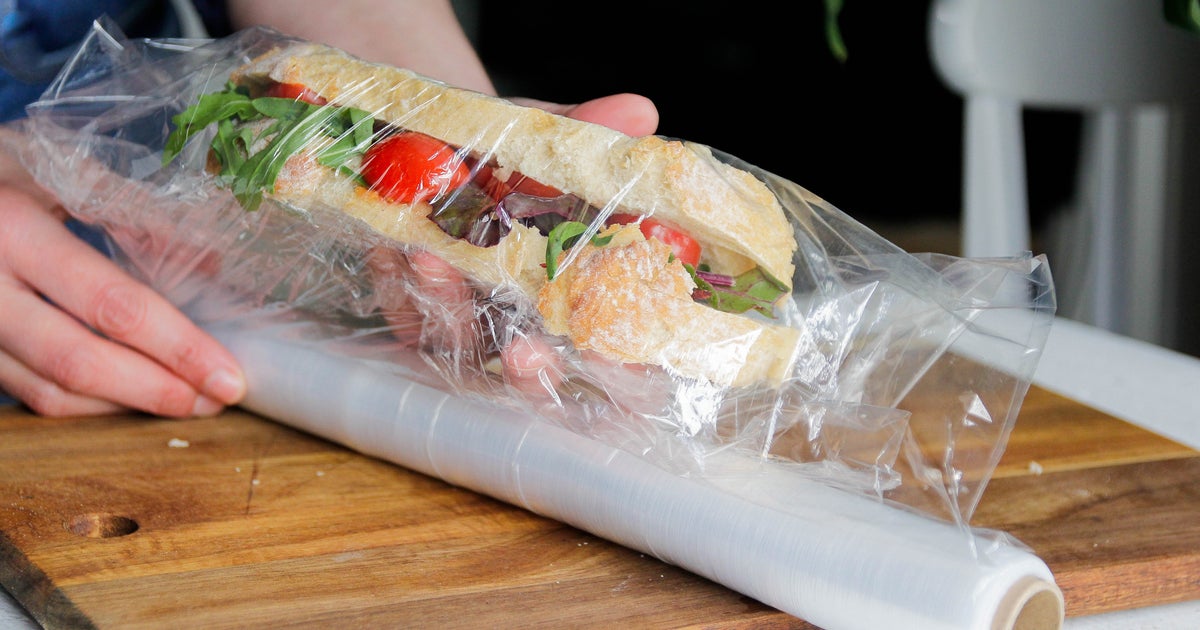
Plastic wrap is an effective storage solution because it protects food from air and particle exposure.
Simply put, plastic wrap — which is usually made of food-safe low-density polyethylene, or LDPE — “is actually quite effective because it’s able to produce a very stable and tight seal at the edges of a container,” said Bryan Quoc Le, founder and principal food Consultant at Mendocino Food Consulting.


Three experts on bone health explain why your bone density is important, and the types of exercise that can help.

They eat it themselves, and they encourage patients to have more of it, too.

The ’90s hair accessory is having a resurgence thanks to “Love Story: John F. Kennedy Jr. & Carolyn Bessette.” But doctors have a warning.

It’s easy to think you know everything about the person you’re with.

Here’s what eco-dietitians want everyone to take away from the Vital Farms egg controversy, and what labels to look for at the store.

There are scores of toothpastes available on the shelves, but dentists say there are right and wrong options.

Yes, there's a high likelihood that your parents and grandparents are still having sex.

Doctors share their thoughts on what’s normal when it comes to gas and what needs to be checked out.

The United States is getting slammed by a stretch of weather extremes.

There’s a useful chart that can help you determine if your stool falls into a healthy or not-so-healthy category.

If you and your friends still keep tabs on that girl from high school, this is for you.

These lazy (but legit) meals are homemade as hell, and much more satisfying than takeout.

You'll need a portable phone charger, compact backpack and some first aid before you pack up and go on a trip outside the country.