Iran Starts To Formalize Its Chokehold On The Strait Of Hormuz With A 'Toll Booth' Regime
HuffPost
Traffic through the strait has fallen by 90% since the start of the Iran war, sending global oil prices skyrocketing.
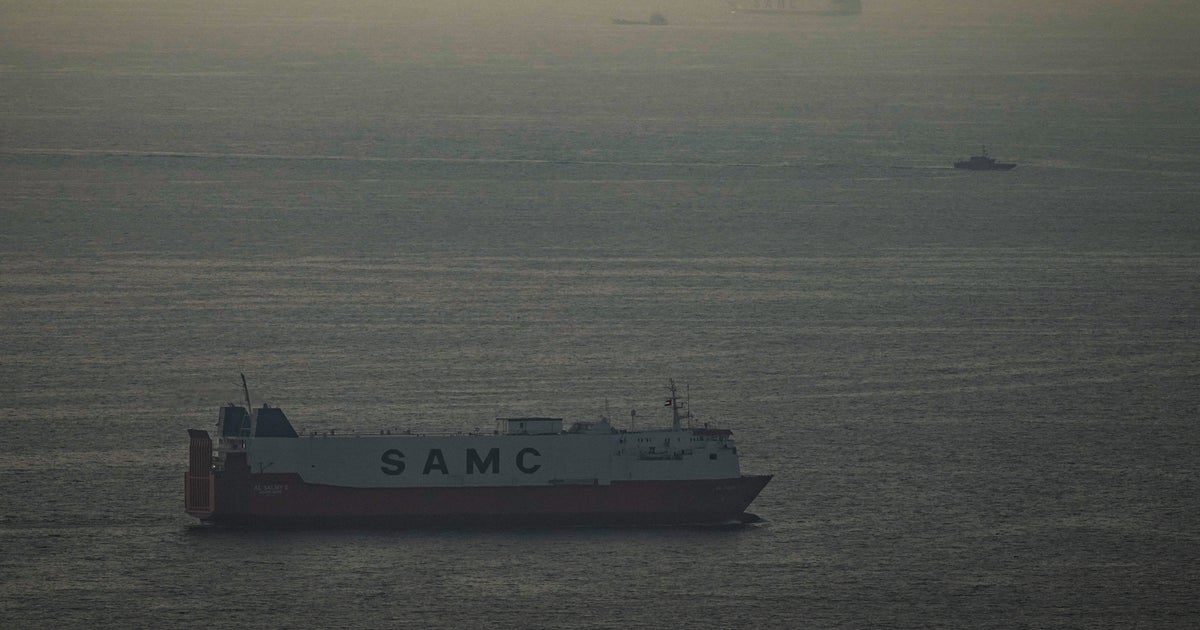
FRANKFURT, Germany (AP) — Iran appears to be setting itself up as the gatekeeper for the Strait of Hormuz, the world’s most important artery for oil shipments. The move could cement Tehran’s de facto chokehold over the crucial waterway and formalize its ability to keep its own oil flowing to China.
Iranian communications to the United Nations maritime authority and the experience of ships transiting the strait suggest the creation of something akin to a “toll booth.” Ships must enter Iranian waters and be vetted by Iran’s Islamic Revolutionary Guards Corps. At least two vessels have paid for passage.
Traffic through the strait has fallen by 90% since the start of the Iran war, sending global oil prices skyrocketing and inflicting alarming shortages on the Asian nations that get their oil from Persian Gulf countries via the strait.
Only about 150 vessels, including tankers and container ships, have transited since March 1, according to Lloyd’s List Intelligence shipping information firm. That’s a little more than one day’s normal traffic before the war. Iran’s Kharg Island terminal loaded 1.6 million barrels in March — largely unchanged from prewar monthly loading totals, according to data and analytic firm Kpler. Most of the customers are small, private refineries in China that don’t care about U.S. sanctions.
A majority of the ships that have made it through in recent weeks headed east, out of the Gulf; Iran-affiliated ships accounted for 24% of transits, Greece 18%, and China 10% counted by ownership or flag registration. Yet on closer examination, vessels connected to Iran accounted for 60% of transits during the first part of the war and in the last few days, some 90%.


In addition to cutting off oil sales to Cuba, U.S. President Donald Trump has escalated his rhetoric against the Communist-run island, saying on Monday he could do anything he wanted with the country.

In addition to cutting off oil sales to Cuba, U.S. President Donald Trump has escalated his rhetoric against the Communist-run island, saying on Monday he could do anything he wanted with the country.

Global airlines sounded the alarm over soaring jet fuel prices triggered by the U.S.-Israeli war against Iran.

Most of the squad members who sparked a diplomatic furor by seeking asylum in Australia reversed their decisions and rejoined the team in Kuala Lumpur.

The Israeli military said the incident was under review.

The war, which shows no signs of ending soon, has upended global air travel, disrupted oil exports from the region and sent fuel prices rising across the world.

Trump's administration has reportedly rebuffed efforts by Middle Eastern allies to start diplomatic negotiations aimed at ending the Iran war.

The U.S. embassy in Baghdad was struck by an overnight missile attack.

Trump said U.S. forces “obliterated” targets on Iran’s Kharg Island — home to the primary terminal that handles the country’s oil exports.

New Supreme Leader Mojtaba Khamenei called on Iran's neighbors to shut U.S. bases on their territory and warned that Iran would continue to target them.

Devices running Microsoft Windows, including cellphones, laptops and others were all wiped.

The conflict has spread across the Middle East and prompted plans for a record release of strategic oil reserves to dampen one of the worst fuel shocks since the 1970s.

The Trump-inspired political veteran won a landslide victory in December against government-backed communist candidate Jeannette Jara.