IndusInd Bank parent to acquire 60% stake in Invesco India Asset Management
The Hindu
IndusInd International Holdings Ltd. (IIHL), a Mauritius-based investment holding company of the Hinduja Group, has entered into a definitive agreement to acquire a 60% stake in Invesco Asset Management India Ltd. (IAMI) for an undisclosed amount.
IndusInd International Holdings Ltd. (IIHL), a Mauritius-based investment holding company of the Hinduja Group, has entered into a definitive agreement to acquire a 60% stake in Invesco Asset Management India Ltd. (IAMI) for an undisclosed amount.
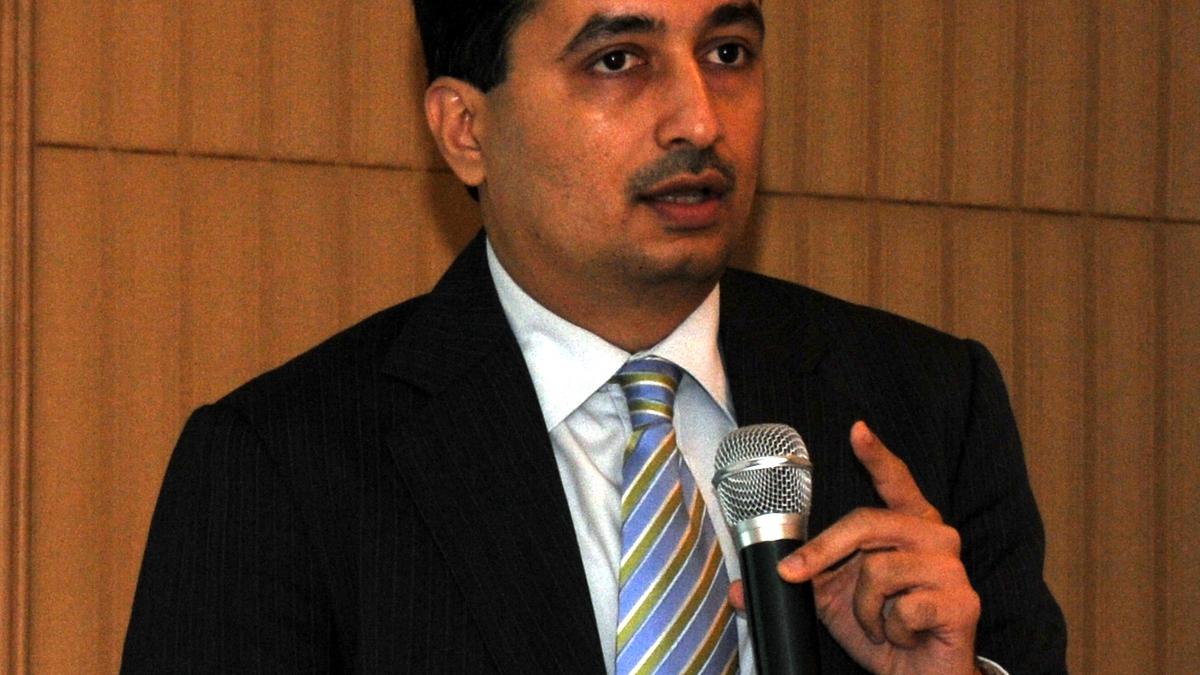
Saurabh Nanavati, CEO, IAMI will continue to lead the new JV along with the existing management team.
IAMI is the Indian arm of Invesco Ltd. which has over $1.6 trillion in assets under management globally. IIHL is the promoter entity of IndusInd Bank. Invesco will retain a 40% stake in the newly-formed JV, and both IIHL and Invesco will have sponsor status, both the entities said in a joint statement.
IAMI has combined onshore and offshore advisory and assets under management of ₹85,393 crore as of March 31, 2024, and a presence in 40 cities in India.
Ashok Hinduja, Chairman, IIHL said, “It was our vision to transform IIHL into a BFSI powerhouse. We are very delighted to team up with Invesco to usher India’s Asset Management industry into a transformational innovation era.”
“This is the most opportune time when India on the back of rising prosperity, investor confidence, and favourable demographics offers enormous prospects,” said Moses Harding, CEO, IIHL.
“With IIHL [we will] to continue to expand distribution of our high quality, global and domestic investment capabilities to serve more domestic investors in such an important market,” said Andrew Lo, Senior Managing Director and CEO, Invesco Asia Pacific. “We are committed to serving our clients’ needs across India and maintaining our significant presence in Hyderabad as well.”


The Thane police have arrested two co-founders of cryptocurrency exchange platform CoinDCX in connection with an alleged fraud of Rs 71.6 lakh, officials said

Meta Chief Executive Mark Zuckerberg is building a CEO agent to help him do his job, the Wall Street Journal reported

Insurance penetration and density are often misunderstood and do not reveal how many families are insured or whether they would be financially secure if the main earning member were to die. The real issue is not reach but adequacy, as households may have life insurance but not enough cover to replace lost income, leaving them financially vulnerable.

Five top firms lose ₹1 lakh crore in market value, with HDFC Bank experiencing the largest decline of ₹56,124.48 crore.

L&T confirms 95% of its West Asia project sites are safe, while addressing logistics challenges amid ongoing regional conflicts.

Mines Ministry to auction 19 critical mineral blocks on March 23, expanding strategic resources for clean energy and technology sectors.

Mines Ministry to auction 19 critical mineral blocks on March 23, expanding strategic resources for clean energy and technology sectors.

Five top firms lose ₹1 lakh crore in market value, with HDFC Bank experiencing the largest decline of ₹56,124.48 crore.

HDFC Bank terminates three senior officials over client onboarding issues at its DIFC branch amid ethical concerns following chairman's resignation.

Air India CEO warns of potential flight cuts and reduced travel demand due to rising fuel costs amid ongoing Gulf conflict.

Options are widely used by retail traders to speculate on the value of the stock for immediate gains and such behaviour in large scale can distort the market

India achieves 1 billion tonne coal production for the second consecutive year, ensuring stable energy supply and economic growth.

Generic drugmakers in India launch affordable Semaglutide versions, targeting a $1 billion diabetes and weight loss market.