Indigenous groups weigh in on closure plans for N.W.T.'s Diavik mine, urge more use of traditional knowledge
CBC
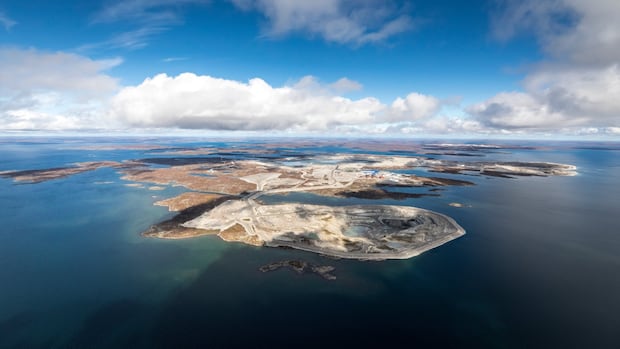
Some Indigenous groups in the N.W.T. are weighing in on Diavik Diamond Mine's closure plans, and saying Indigenous traditional knowledge should play a bigger role in those plans.
The closure represents "the most important time in the mine's life," according to the Łutsel K'e Dene First Nation (LKDFN), in a written submission to the Wek'èezhìi Land and Water Board ahead of Diavik's water licence renewal. The First Nation says the mine's closure will determine how healthy the land and water will be after the operation is gone.
Diavik is set to close early 2026, and its water licence, which authorizes water use and waste discharge, expires at the end of this year. A public hearing on the water licence renewal application will be held in Behchoko from June 10 to 12.
In its letter to the land and water board, LKDFN urges that a condition to be added requiring Diavik to seek approval from a panel of traditional knowledge holders for all site closure objectives. The First Nation says that should be in addition to the scientific monitoring that Diavik has recommended.
"Science alone will not instill confidence in the community that water is safe to drink, fish are safe to eat, that dust levels, revegetation, and landscape features are acceptable," LKDFN's submission reads.
The First Nation says that only when scientists and traditional knowledge holders agree on these issues will the mine closure be deemed successful.
The Yellowknives Dene First Nation (YKDFN) raised similar concerns in its letter to the land and water board.
Matthew Spence, CEO of the First Nation, wrote in the letter that as things stand now, YKDFN is "deeply concerned that the outcomes of closure will see continued impacts on the environment, harming the return of our people."
"For the YKDFN, safe is more than absence of harm. Safe means that our members and their families can go to Ek'a Ti and know that not only will it [not] harm them, but that they can live and prosper," Spence said.
YKDFN's letter also points to conflicting perspectives when it comes to water quality around the site, saying Diavik's science-based approach to sampling suggests the water quality is acceptable while traditional knowledge studies suggest otherwise.
The First Nation says its most recent results from a monitoring camp in 2024 found only two of fifteen fish caught at the camp were deemed healthy enough for further sampling and consumption.
"At this point, YKDFN are concerned that the system places the overwhelming reliance on the sampling programs based on Western science, with a failure to provide for meaningful incorporation of the concerns founded in TK [traditional knowledge] observations," the letter reads.
Another Indigenous government is more optimistic about Diavik's closure plans.
The Tłı̨chǫ government says it hopes the Diavik closure leaves a positive legacy, and doesn't repeat the environmental damage seen at older sites in the territory like Giant Mine, or the Rayrock uranium mine.


An RCMP-led corruption investigation is underway into at least one current Calgary city councillor as well as a business, CBC News has learned.

Much of Newfoundland is digging out of a blustery and messy day as another storm slams into the island.

Timiskaming—Cochrane MPP John Vanthof recalls the meeting in Thunder Bay earlier this month. He was part of the nine-day road trip along Highways 11 and 17 with other NDP MPPs.

A bill before the Nova Scotia Legislature is proposing raising the age limit for support for young people who have been in the foster care or group home system to 26.

The Fredericton Police Force has reallocated funds so new staff can be hired this year to better manage evidence after a police error upended murder cases against five people.

One of two pilots killed in a plane crash at New York's LaGuardia Airport Sunday earned his wings at an Ontario college, CBC News has learned.

Air Canada passengers who were aboard Flight 8646 when the CRJ-900 aircraft struck a fire truck upon landing at New York's LaGuardia Airport on Sunday evening say the collision was sudden and forceful, and they may owe their lives to the pilots who died in the incident.

Cardiac services are set to expand at a Winnipeg hospital once regarded as one of the best in Canada for heart care.

A 26-second TikTok video has ignited a larger conversation about vulnerable populations, theft and content creation.

Some family doctors and emergency room physicians working in Edmonton hospitals warn that an April 1 end to stipend pay arrangements could put patient care at risk and increase suffering.

An Auditor General of Canada report has found that B.C. saw drastically fewer international students than was forecast ever since wide-ranging federal immigration cuts began in 2024.

Six years after e-learning became a mandatory requirement to get an Ontario high school diploma, students don't appear to be taking online school to diversify their course selection as the province had intended, according to a CBC News analysis of provincial enrolment data.

Sarnia City Council will hold a special meeting Tuesday morning to respond to social media comments made by Coun. Bill Dennis, who criticized city spending on a new mural by Indigenous artist Kennady Osborne as “virtue signalling by woke politicians” — then made a series of comments in response to a reply from Aamjiwnaang Chief Janelle Nahmabin that some have characterized as unprofessional and aggressive.