Indian publishers are churning out children’s books focussed on regional cuisine
The Hindu
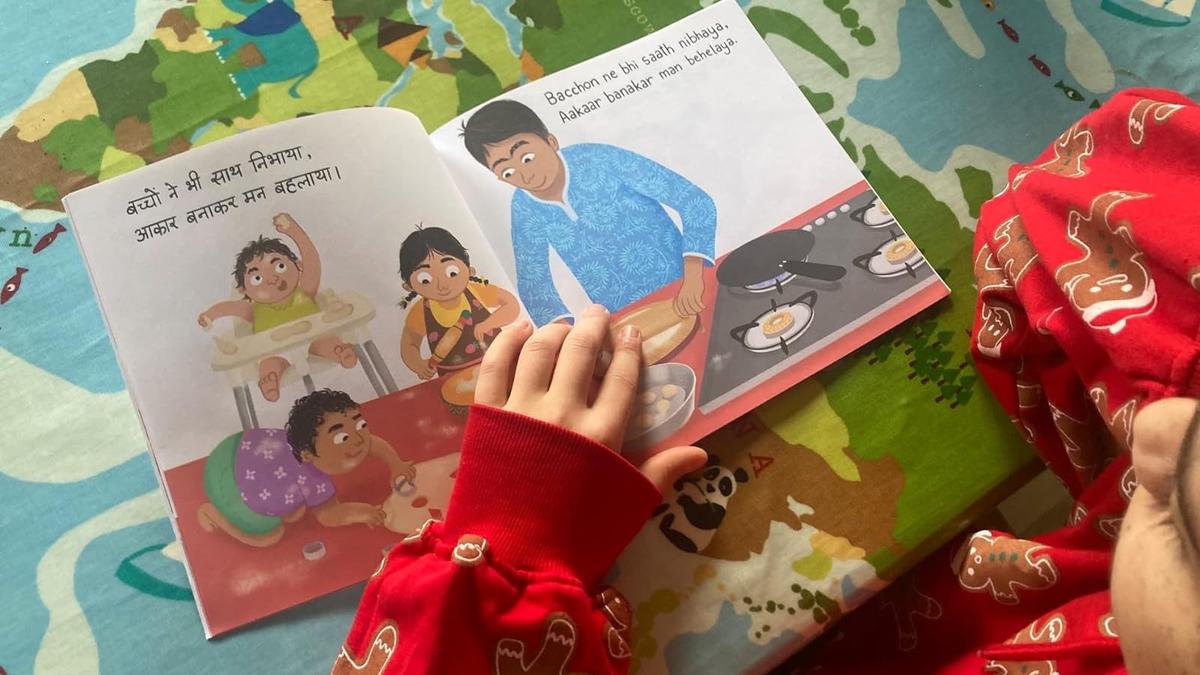
As parents and teachers introduce books about food to children, more often than not, they borrow from Western concepts. Be it ingredients, dishes, or even food etiquette, rarely have we found books that highlight traditional Indian delicacies and practices. It is only over the last couple of years that Indian publishers have delved into India’s rich culinary diversity to bring out interactive and engaging titles for children.
A for appam, B for bonda, and C for chaat…If we had to teach our children the ABCs of food, I’d rather opt for something like this and not A for asparagus, B for burger and C for cookie.
As parents and teachers introduce books about food to children, more often than not, they borrow from Western concepts. Be it ingredients, dishes, or even food etiquette, rarely have we found books that highlight traditional Indian delicacies and practices. It is only over the last couple of years that Indian publishers have delved into India’s rich culinary diversity to bring out interactive and engaging titles for children.
Chitwan Mittal, founder-director of Gurgaon-based AdiDev Press — the publication house behind books such as J for Jalebi — says in many ways, it is only now that Indian children’s publishing is coming into its own. “For a long time, Western children’s books dominated Indian bookstores, but there has been a clear shift in what the market wants, which is representation and stories rooted in Indian culture and practices,” says Chitwan.
Perhaps this is why most children are drawn to the kitchen: playing with vessels, and imitating cooking. “For parents as well, food is a way of showcasing their culture and celebrating where they come from. There’s certainly a space here to tell interesting stories that can celebrate parents’ nostalgia for their childhood while introducing young readers to their roots,” she says.
This year, Chitwan will launch a board book in rhyme that features iconic Indian foods and cities. “It approaches numbers and counting using Indian food as a theme. The book manages to incorporate a lot of different regional foods that we feel don’t get represented enough.”
The food debate
So why has it taken Indian publishing a long time to adapt from Indian kitchens?


Discover the Minor Planet Centre, the key hub for tracking and verifying observations of small solar system bodies.

Discover the Minor Planet Centre, the key hub for tracking and verifying observations of small solar system bodies.

In this week's Science for All newsletter, XX explains

Test your knowledge with the quiz on Science films at the Oscars through history

Set between the Siwalik hills and the plains, Butwal offers travellers a mix of regional cuisine, pilgrimage trails to Lumbini and the comfort of Hyatt’s new hospitality landmark

Explore 2026's wallpaper trends in India, highlighting botanicals and handmade designs that enhance modern homes with nature-inspired aesthetics.

Mercedes-Benz CLA 250+ with EQ Technology review: design, performance, range and features explained. Discover how the new electric CLA combines advanced AI, long range, fast charging and futuristic styling for the next generation of luxury EVs.

AI tool for sparrow conservation

BTS’s comeback with ‘Arirang’ marks a major global music event. When does the album release, and where can you watch their concert live stream? We have all the details

The 2026 U.S. cholesterol guidelines urge starting screening and treatment at 30 to prevent cardiovascular disease effectively.

Olam Festival 2026 in Thiruvananthapuram returns March 27-29 with 120+ vendors, music, art, and cultural zones.

A few storytellers in Thiruvananthapuram share their journeys, challenges, and evolving methods on World Storytelling Day, inspiring young minds.

76-year-old Kurian Jacob from Kerala triumphs with seven medals, including five golds, at the Open Masters Games in Abu Dhabi.