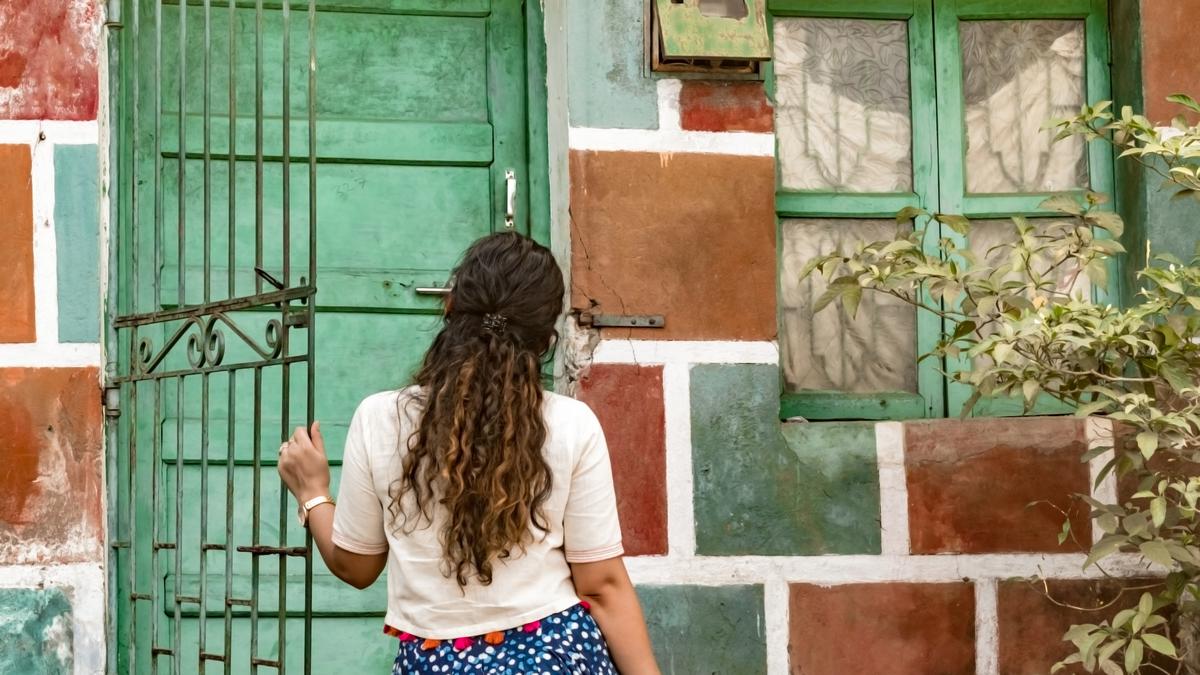
India | The homestay advantage
The Hindu
Increasing disposable incomes, growing appetite for travel, and government incentives are aiding the rise of homestays in India
There’s a popular saying in India, Athithi Devo Bhava, which means the guest is god. Backed by the adage and the significant growth of the travel industry in the country, homestays have become a viable option today for both travellers and home owners alike. For the guest, it’s a home away from home — tucked away in green hideaways, by the beach or backwaters, or high up in the hills. For the property owner, it’s a lucrative income source.
India’s travel market is projected to grow substantially in the post-COVID world because of a combination of rising disposable incomes, focused government measures to boost the travel industry, and the growing appetite for travel. According to the World Travel & Tourism Council, the sector’s contribution to the economy will surpass pre-pandemic levels in 2024, with a year-on-year growth of 20.7%. By the end of 2023, it would be worth ₹16.5 trillion. In response, the Indian hospitality industry is diversifying its offerings, and homestays — which occupy only a small section of the market today — are predicted to grow in stature and play a significant role in the future.
Though still nascent, homestays are a growing phenomenon across the globe. India numbers among the most promising countries for this segment, and for good reason. Unlike formal hotels, they can provide an experience of true Indian hospitality. Guests are either accommodated in the family home or in separate quarters nearby and are often provided with a level of hospitality that even the most reputed hotels cannot hope to match.
Organised hospitality establishments require a lot of space, which can be very expensive and sometimes even impossible to acquire in most of India’s popular tourist destinations. Alternately, hotel chains may not be interested in opening up shop in some of the emerging ‘unspoiled’ areas, precisely because unspoiled means non-saturated — and a formal hospitality offering does require a certain saturation of paying customers. Moreover, hotel rooms can cost a pretty penny and may not be attractive for less well-heeled tourists.
In such situations, homestays allow tourists a taste of the local ‘flavour’ at an affordable cost — which not only includes authentic, home-cooked local cuisine, but also the lifestyle of the locals. Often, property owners will regale guests with local folklore and social backgrounds, allowing for an intensely immersive experience that will yield lasting memories, not to mention return customers and favourable referrals — not only to friends and family, but also via online forums and listing feedback.
Homestays are also usually available in high-density tourist locations where hotels are booked up during peak season or local festivities and events. And finally, one must take into account the remote-working revolution. The explosion in digital nomadism and ‘workations’ mean that for many the homely feeling of a homestay is preferable to hotels.
An interesting branch of homestays in India is the eco-tourism concept, which takes it several steps further and opens the doors of India’s hinterlands and villages to domestic and global tourists. It gives them a ‘hands-on’ experience of rural India with all its quaint ‘limitations,’ including allowing guests to participate in pastoral activities such as sowing and harvesting the local crop. It is an unbeatable ‘back-to-nature’ twist to the homestay ethos that many foreign tourists find incredibly attractive.


Vaccination policies must prioritize saving human lives over individual choice amid rising vaccine skepticism, asserts scientist Dr. Virander Singh Chauhan.

Seven Indian fishermen from Rameswaram arrested by Sri Lankan Navy, sparking protests and calls for government intervention.

Kerala cyber police file a case against X for an AI video allegedly defaming PM Modi and the Election Commission.

iKure and Izawa Co. partner to combat avoidable blindness by integrating innovative eye care technology into rural healthcare networks.

Thousand Lights MLA from the DMK N. Ezhilan, in an interview to The Hindu, observes that any popular personality entering politics will attract the limelight. But only a structured party machinery combined with popularity can ensure success. In this interview, he speaks about his tenure as first-time MLA from Thousand Lights Assembly constituency in Chennai, Vijay’s political entry shaping the 2026 elections, redressal of key grievances and more.

Abhishek Banerjee challenges BJP's Suvendu Adhikari in Nandigram, pledging community health initiatives if Trinamool Congress wins.

Rising LPG shortages in Karnataka boost firewood demand, reviving an informal market as households and hotels seek alternatives.

Against the backdrop of intense poll activity, a 400-metre stretch of an arterial road in the outskirts of Chennai (technically in Madurapakkam panchayat under Tambaram assembly constituency) presents a salute to the idea of res publica, which underpins India’s system of governance, where citizens have a say, at least before a government is securely ensconced in the seat of power. A Republic Day initiative shines bright every night

Fadnavis claims zero FIR in Ajit Pawar crash is a defamation attempt by Karnataka against Maharashtra's investigation efforts.

Set to unfold as a one-day pop-up on April 5, the Easter Sadya brings together both vegetarian and non-vegetarian menus, offering a peek into the food traditions of the Syrian Christian (Nasrani) community. While the traditional Sadya is often associated with dishes such as sambar, avial, and rice, this version expands to include community-specific festive dishes.

BJP nominates mother of R.G. Kar victim Abhaya to contest from Panihati in West Bengal Assembly elections.

Veteran Malayalam actor-director E.A. Rajendran passes away at 71, leaving behind a rich legacy in the film industry.

Dakshina Kannada Zilla Panchayat has rolled out digital mode of water bill generation and collection in 23 gram panchayats on a pilot basis for the first time in Karnataka. This is set to be extended to the remaining 200 panchayats shortly, according to the Zilla Panchayat Chief Executive Officer Narwade Vinayak Karbhari.