‘India may gain more from Chinese FDI than import reliance in tapping China plus one strategy’
The Hindu
CEA suggests India replace imports with Chinese investments to boost manufacturing and integrate into global supply chain.
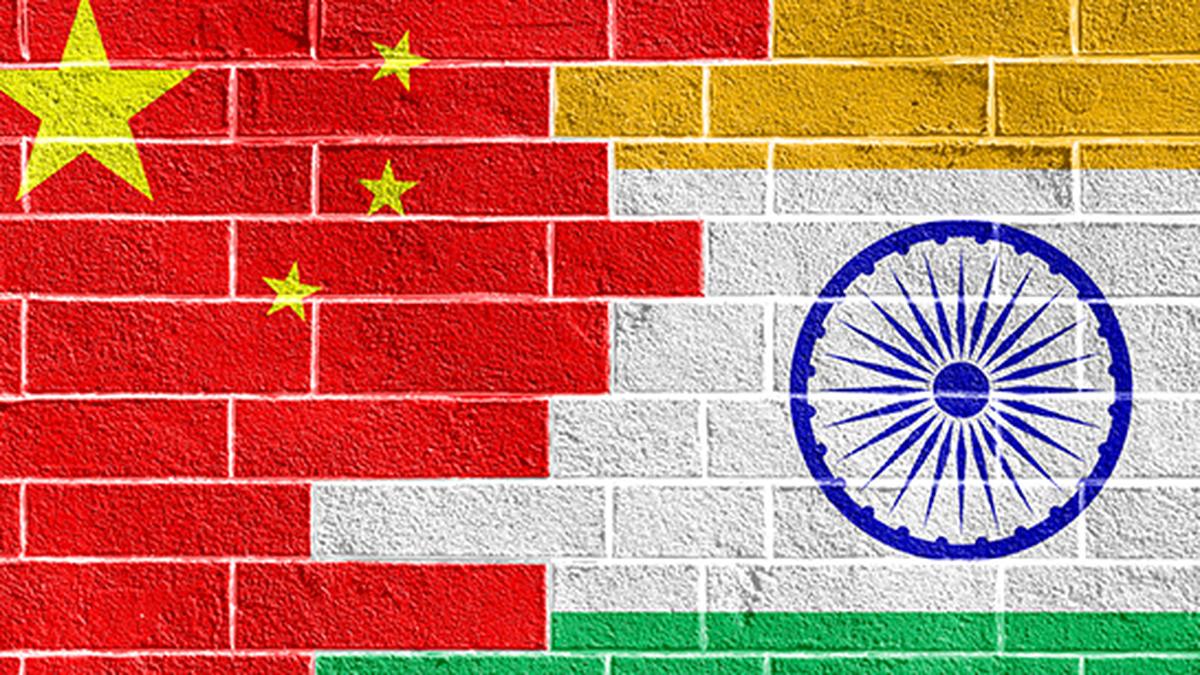
Chief Economic Advisor (CEA) V. Anantha Nageswaran has suggested that India may stand to gain more by “replacing some well-chosen imports with investments from China” thus helping both boost Indian manufacturing and plugging India into the global supply chain as it looks to tap advanced economies’ push to diversify beyond China through a China plus one sourcing approach.
Writing in a chapter on the ‘Medium Term Outlook: A growth strategy for New India’ in the Economic Survey tabled in Parliament on Monday, the CEA appeared to tacitly endorse an industry plea to review restrictions on investment flows from China that had been announced by the government in 2020, ostensibly to protect Indian companies from opportunistic takeovers in the wake of the COVID-19 pandemic.
Observing that the “dynamics of India-China economic relations continue to be extremely complex and intertwined” and that despite outpacing China’s growth rate, India’s economy was still only “a fraction of China’s”, Mr. Nageswaran said India’s policy choices in charting its economic ties with its neighbour offered no easy options.
“The questions that India faces are: (a) Is it possible to plug India into the global supply chain without plugging itself into the China supply chain? and (b) what is the right balance between importing goods and importing capital from China?” the CEA wrote. “As countries attempt to reshore and friendshore, India’s policy choices concerning China are exacting,” he noted.
The CEA held that for India to benefit from the world’s China plus one strategy, it could consider either integrating into China’s supply chain or promote FDI from its Asian neighbour. However, he argued that FDI from China appeared “more advantageous than relying on trade” in light of China being India’s top supplier of imports and given the widening trade deficit.
Citing the challenges that several emerging market and developing economies faced in dealing with China’s ‘manufacturing juggernaut’ that constrained the development of their domestic industries and made them vulnerable to lower-cost Chinese imports, the CEA said these countries needed to fine-tune policies in such a way as to raise tariffs on some imports and at the same time leverage Chinese investment and technology.
“Replacing some well-chosen imports with investments from China raises the prospect of creating domestic know-how down the road. It may have other risks, but as with many other matters, we don’t live in a first-best world. We have to choose between second and third-best choices,” Mr. Nageswaran asserted.


Erran Berger, the Vice President of Product Engineering at LinkedIn, thinks the former type of division of labour is rapidly disappearing

India mandates oil and gas firms to share import and export data to mitigate consumer shortages amid rising global prices.

HDFC Bank's chairman Atanu Chakraborty resigns over ethical concerns; Keki Mistry appointed interim chairman for three months.

Stock markets continue to rise for the third day as Sensex and Nifty gain nearly 1%, fueled by IT stocks.

Indian-flagged vessels in the Strait of Hormuz carry 2 lakh MT LNG and 16.7 lakh MT crude, amidst geopolitical tensions.

Equity analysts downgrade earnings forecasts for oil marketing companies, citing rising costs and market pressures for fiscal 2027.

Plastic product prices may surge by 50-60% in April due to rising polymer costs amid ongoing geopolitical tensions.

Centre offers 10% more LPG to States that accelerate piped gas rollout amid ongoing supply challenges and increased consumer demand.

Indian-flagged vessels in the Strait of Hormuz carry 2 lakh MT LNG and 16.7 lakh MT crude, amidst geopolitical tensions.

Stock markets continue to rise for the third day as Sensex and Nifty gain nearly 1%, fueled by IT stocks.

Rising oil prices and LPG shortages are driving India's shift to electric cooking, offering cost-effective and energy-efficient alternatives.

The rupee fell to a record low of 92.63 against the dollar, while equities surged with Sensex up 633.29 points.

Alibaba is sharpening its artificial intelligence strategy by focusing on agents that connect the many businesses under its sprawling corporate umbrella.