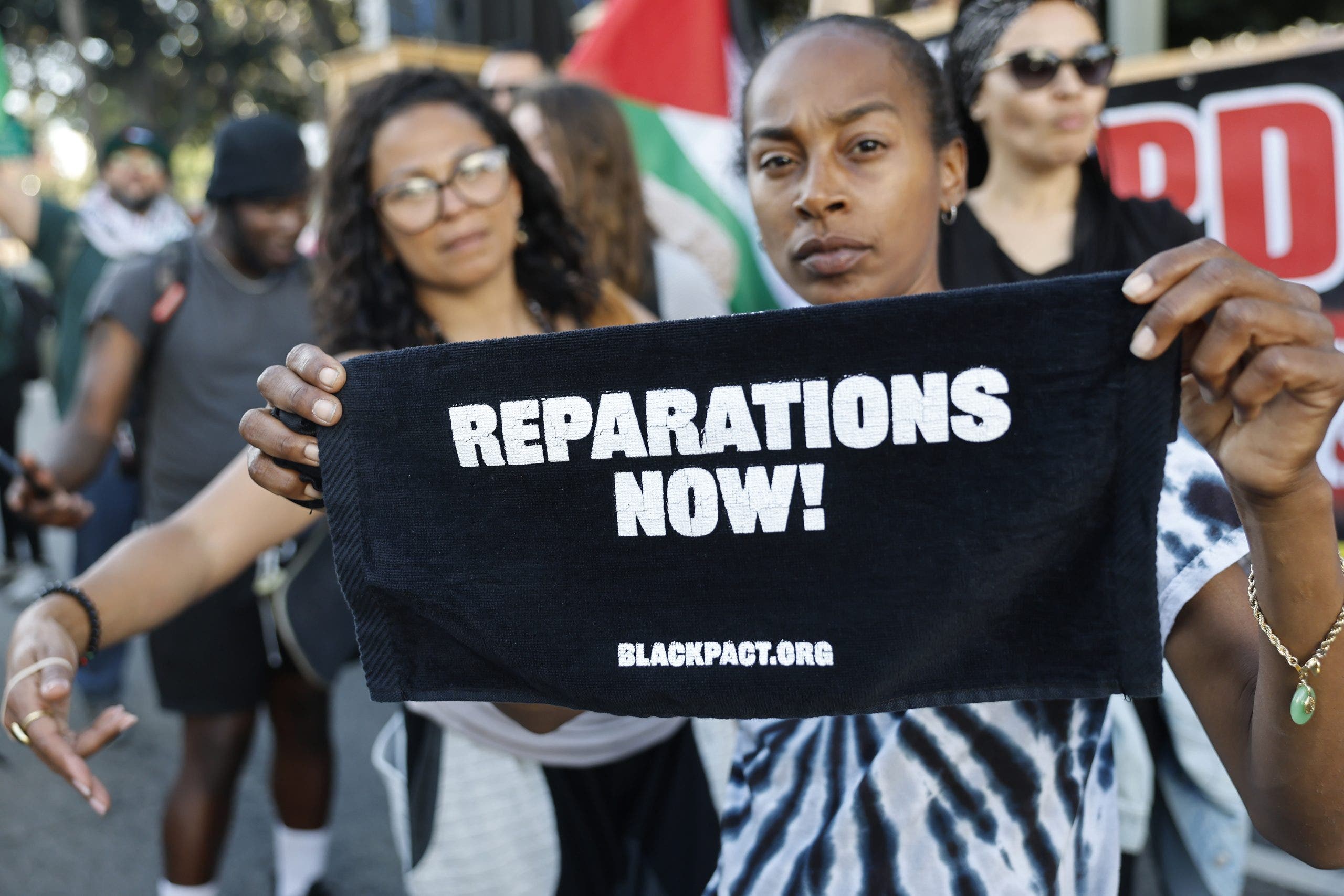
Illinois city's reparations plan is misguided, divisive and likely unconstitutional
Fox News
Evanston, Illinois' $25,000 reparations payments to 44 Black residents raise constitutional questions and practical concerns about race-based compensation programs.
A $25,000 payment may provide temporary relief for some recipients, but investments in education, financial literacy and other community-building initiatives could provide more long-term benefits. These types of investments would be better than offering short-term individual relief. Erec Smith is a research fellow at the Cato Institute and a former associate professor of rhetoric at York College of Pennsylvania.
At its core, the Evanston program is race-specific, providing benefits solely to Black residents who meet narrow historical criteria. This raises an obvious legal question: Can the government dole out money based on race? Critics have already flagged the program as constitutionally questionable under the Equal ProtectionEqual Protection Clause of the 14th Amendment. Beyond legality, there is a broader question about fairness. The program compensates some individuals while excluding others who may face equal or even greater financial need. Wealthier Black residents in Evanston receive the same payments as those struggling economically, while low-income residents of other races receive nothing. Isn’t a poor White person more in need of that money?


Turkey military expansion Africa undermines U.S. goals as President Erdogan capitalizes on conflicts, analysts say. Turkish companies allegedly sold drones to both sides in Sudan's war.

What’s driving the increase in violent incidents involving transgender individuals? Expert weighs in
Forensic psychiatrist Dr. Carole Lieberman and FBI agent Jason Pack say warning signs precede mass violence, calling for stronger early-intervention systems after recent shootings.

Viral State of the Union moments include Nancy Pelosi tearing up Trump's 2020 speech, Joe Wilson shouting "You lie!" at Obama, and Lauren Boebert heckling Biden.

Homeland Security Secretary Kristi Noem blames Democrats for third government shutdown affecting DHS, suspending TSA PreCheck and Global Entry programs beginning Sunday at 6 a.m.

Ambassador Ric Grenell shared surveillance footage of a suspect, whom he labeled a "terrorist," accused of carrying out a “targeted attack" that vandalized the Trump-Kennedy Center’s outdoor ice rink.

Pennsylvania high school senior faces more than 300 felony charges in alleged sextortion case involving catfishing and exploitation of minors.

Bono and U2 face criticism for new protest song "American Obituary" targeting Trump's immigration policies, with critics claiming the Irish pop star continues lecturing about politics.

German soccer team Werder Bremen announced that it's no longer traveling to Minnesota, citing concerns over unrest and recent shootings during immigration enforcement operations.

Five Colombian nationals allegedly operated a fake law firm charging migrants thousands for nonexistent legal services, laundering over $100,000 in victim funds.

During an interview with CNN Friday, border czar Tom Homan said that ICE's "immigration surge" in Minneapolis is "over," and that the agency's footprint would shrink to 150 agents.

Trump calls Representative Alexandria Ocasio-Cortez "stupid" and criticizes her "horrible" performance at Munich Security Conference regarding Taiwan defense response.

After the 6-3 Supreme Court tariff ruling, Sen. John Kennedy says Trump should view it as a win, arguing his trade strategy secured deals.

Ohio church leader Caleb Flynn accused of killing wife Ashley Flynn, then calling 911 claiming intruder broke into Tipp City home and shot her.