If We Don’t Change Our Ways, We Risk Losing Coffee (And Other Foods We Love)
HuffPost
Celebrity chef Andrew Zimmern is asking you to save them.
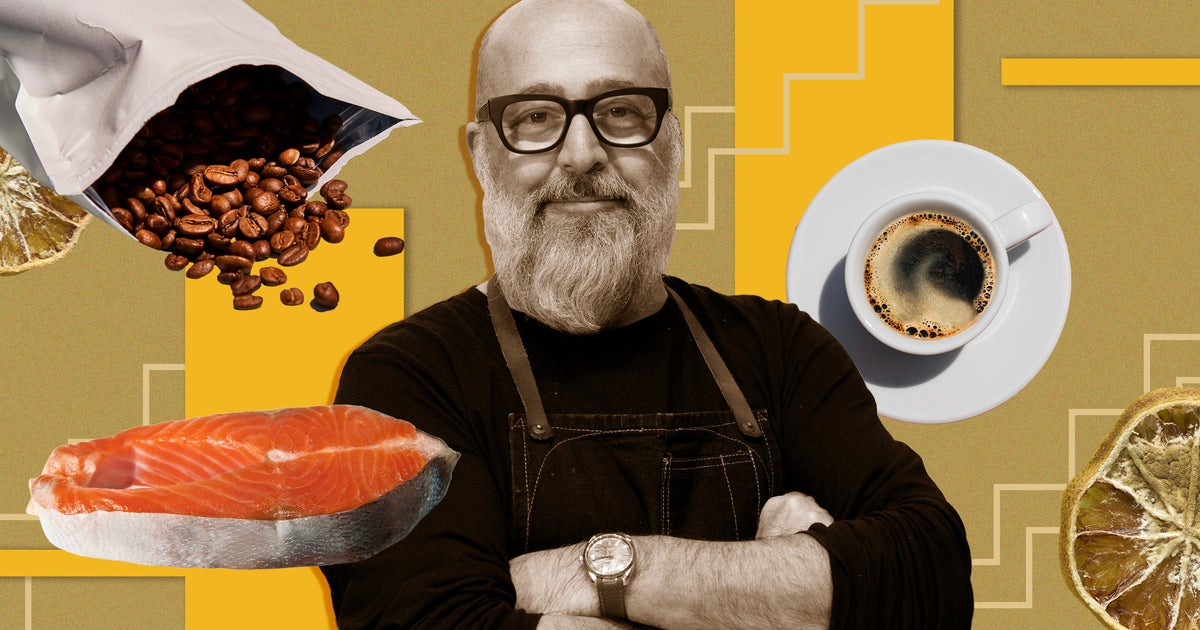
Andrew Zimmern is an Emmy-winning and four-time James Beard Award-winning TV personality, chef and writer who serves as curator and spokesperson for the food and climate programming of The Great Northern festival held in Minneapolis and St. Paul. He hosts the show “What’s Eating America” on MSNBC and authors a newsletter on Substack called Spilled Milk to educate people about the U.S. food system, addiction in the restaurant industry and climate change. In this edition of Voices in Food, Zimmern talks about why we risk losing our beloved food and drinks within our lifetimes due to rising global temperatures and what we can do to save them.
Back in the ’60s, my mother was what you would now label “an activist.” With her, I marched with Dr. Martin Luther King Jr., Bobby Kennedy and the Black Panthers. We protested the Vietnam War and were active in the early days of the climate movement, before the Clean Water Act, and before federal legislations were passed to protect the environment.
Growing up as a white man living in America, the greatest country on Earth, I led a mostly self-centered life. I didn’t necessarily think that way then, but looking back, I can see that I felt that there was no existential crisis happening during my lifetime.
About 20 years ago, when I started traveling abroad for television, it was impossible to ignore what I was seeing. From pollution of inner harbors in Asian cities to river systems in Amazonia, everything was changing for the worse. Elders in the northernmost areas of Canada told me that 80 years ago, you wouldn’t have been able to go outside. They didn’t have thermometers, but we looked up recorded history, and they were right. In Trinidad and Tobago, a conch diver told me he was the last one to dive because all the big trollers anchoring in the ocean wiped out the conch spawning grounds. I started to piece all this information together, and I became devoted to telling more of those kinds of stories for my shows (“Bizarre Foods” and “What’s Eating America”). So you can say I also became an activist, but not in a political “us vs. them, red vs. blue, left vs. right” way. It is more about making sense of where civics and politics overlap and doing the right thing for the community.
Climate is changing every single component of our food system. In the Midwest, we had this cultural tradition of a Friday fish fry where food halls would convert to community events with lots of food, beer and music. We would pay $1-2 per person for all-you-can-eat fried fish, and the proceeds would go to a church or charity. The only decision we needed to make was which species of fish to eat— yellow perch, walleye, bluegill, etc. — they were all locally sourced. Recently, when I went back to my favorite fish fry in Milwaukee, the yellow perch (from Canada) was offered as a special for $32, and there was salmon and cod for $18 a plate. I learned from local experts that no yellow perch was left in Lake Superior. This is because the ice melts earlier in the season, while fish reproduction patterns have not evolved. Now, more predators are awake for longer seasons eating the fish eggs. Even if the fish are reintroduced as a species, they will die out the next year. In Apalachicola, there were once 45 oyster processing plants. Now, there is one plant and zero oyster farms. The rain that used to fall in the Gulf making the water more saline and productive oyster beds, is gone.


If you and your friends still keep tabs on that girl from high school, this is for you.

These lazy (but legit) meals are homemade as hell, and much more satisfying than takeout.

You'll need a portable phone charger, compact backpack and some first aid before you pack up and go on a trip outside the country.

With TSA officers working without pay and spring break travel ramping up, experts offer tips to reduce stress and avoid missing flights.

This stowaway truly was sly as a fox.

Talking to friends about your feelings and frustrations can be healthy — but experts warn you should look out for a few damaging traps.

There's good news and there's bad news. This will help you make some sense of it.

If you have carpets or rugs, sorry: They're even dirtier than you think.

A recent study found the most commonly reported symptoms of perimenopause had nothing to do with hot flashes or weight gain.

Alleviate post-workout soreness with these expert-recommended tools.

Experts, including the U.S. Labor Department, have been warning about this moment since Trump took office.

This time of year is prime season for these fast-spreading illnesses.

Chinese medicine might have the answer to this common bedroom discomfort.