How to stay ready for future pandemics Premium
The Hindu
Health Matters Newsletter: How to stay ready for future pandemics
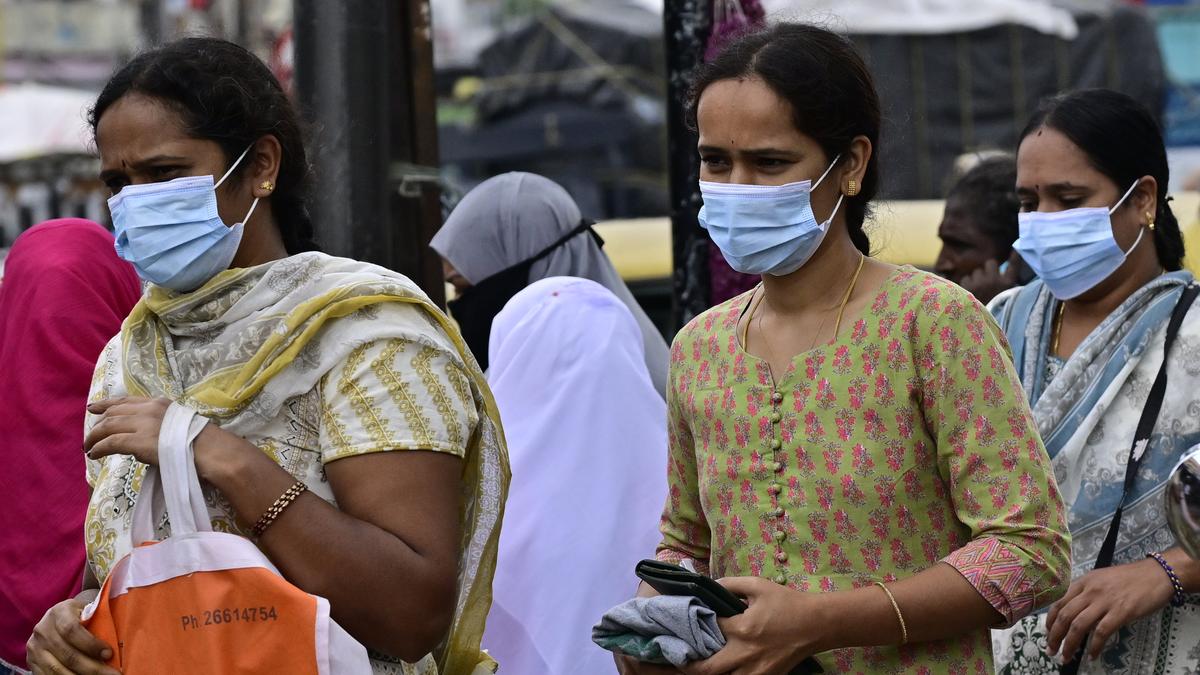
It’s time to address the elephant in the room: for a few weeks now, that elephant has been COVID-19. For some time now, the number of confirmed COVID cases have been rising in certain parts of the world, particularly in South East Asia. Meanwhile, India which had very nearly stopped routine testing for suspected COVID infections also picked up the cue, and began testing for the condition. A slow, and gradual increase was noticed, over the weeks. Bindu Shajan Perappadan recorded that the Active Covid cases in India had climbed to 1009 this week. About 305 people had been treated, and there were seven deaths last week.
What followed the news on rise in cases in South east asia was a great deal of panic reporting by sections of the media. Every case has been breathlessly reported, while forgetting that for a country with a 1.2 billion people, the current number of cases is hardly even a blip on the radar. Of course, the price of having gone through one ghastly pandemic is eternal vigilance, and we have learnt that the hard way. There is no doubt that testing has to be scaled up, vaccines and boosters should be made available again to all those who require it, and hospitals need to gear up in order to face a large scale crisis if one were to emerge in the future.
Do read Saima Wazed’s important piece, in this context: A medical oxygen access gap SE Asia must bridge. South Asia and East Asia and the Pacific have the highest unfulfilled demand for medical oxygen (the oxygen service coverage gap in these two regions is 78% and 74% respectively), and there is a clear and urgent need for action to rectify this.
But, and this is key: there is not yet a COVID crisis in the country. Numbers still continue to be in the 100s range and most people seem to recover without major, notable complications. INSACOG has reported that most of the Sar-CoV-2 samples sequenced in India over the last couple of weeks were BA.2 and JN.1 variants, milder variants with home care sufficient for those who test positive. Officials in the Health Ministry also confirmed that there was no indication that the current variants cause more severe disease, but also that it was not more tranmissible than previously. However, as we learnt the last time, it is important to take care of people who are more vulnerable, have a robust surveillance network for picking up influenza like illnesses, and respiratory conditions.
For an explainer on What’s behind the recent Covid-19 spike in India?, hit the link.
Amidst all this, that the WHO members adopted the ‘pandemic agreement’ born out of disjointed global COVID response came as good news. In short, the World Health Organization’s member countries on approved an agreement to better prevent, prepare for and respond to future pandemics in the wake of the devastation wrought by the coronavirus.
The treaty guarantees that countries which share virus samples will receive tests, medicines and vaccines. Up to 20 % of such products would be given to the WHO to ensure poorer countries have some access to them when the next pandemic hits. WHO Director-General Tedros Adhanom Ghebreyesus has touted the agreement as “historic” and a sign of multilateralism at a time when many countries are putting national interests ahead of shared values and cooperation.


Srirangam residents seek improved infrastructure and amenities to support rapid urbanization and growing tourism demands in the constituency.

Alandur faces unresolved civic infrastructure issues, including lack of water and drainage, despite recent development efforts ahead of TN Election 2026.

Delhi's fiscal deficit surged by 62% in 2025-26, reflecting revenue declines and raising concerns about the city's economic health.

Kerala Assembly Elections 2026: Anvar and Firos face multiple namesake rivals in their constituencies amid a crowded candidate field.

Kamal Haasan announces support for DMK in 2026 elections, emphasizing the need for 'Dravidian Model 2.0' for Tamil Nadu's welfare.

DMK finalises seat-sharing for the 2026 Tamil Nadu Assembly elections, contesting 175 seats with allies DMDK and VCK.

Parliament may adjourn early for Assembly elections, allowing MPs to campaign in key election-bound states.

Indian vessels can freely sail through the Strait of Hormuz without needing permission, confirms a senior government official.

The Hindu Morning Digest gives a select list of stories to start the day. Read the top news today on March 25, 2026

An IndiGo flight at Vijayawada airport was grounded due to a tyre burst, but all 79 occupants are safe.

Tamil Nadu Assembly election 2026: TMC(M) gets five seats in NDA, to contest on BJP's 'Lotus' symbol
TMC(M) secures five NDA seats, to contest Assembly elections using BJP's 'Lotus' symbol in Tamil Nadu.

The Karnataka government will discuss with officials the possibility of creating a portal for unemployed youth to share their details and access job opportunities in micro, small and medium enterprises (MSMEs), Minister for Small Industries and Public Enterprises Sharanabasappa Darshanapur said in the Legislative Council on Tuesday.

AIADMK's 2026 manifesto promises free rations, women's benefits, education reforms, and economic growth initiatives for Tamil Nadu.