Healthy beginnings for healthy futures
The Hindu
Latest research on malnutrition, drug-resistant infections, and medical education updates in South Asia and beyond.
On the growing burden of malnutrition among married women in South Asia, drug-resistant infections, new research hinting at answers to old questions, updates in medical education, and more.
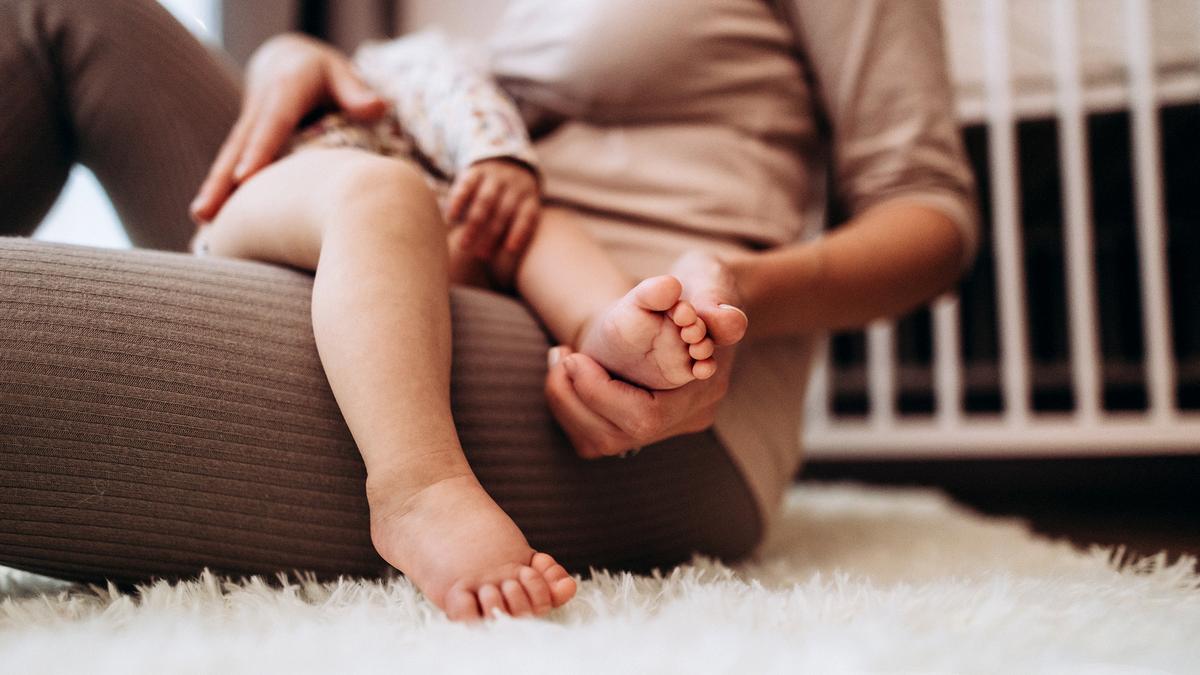
When does good health begin? Is it in our 20s and 30s, when we begin to take exercise and healthy food seriously? Or does it begin earlier, in our childhood and adolescence? Or even earlier maybe, in the womb? Research now suggests that it may perhaps begin prior to conception -- with the health of the mother-to-be. And it is now becoming increasingly clear that it is this health that must be prioritised. Far more attention needs to be paid to the health of young women before they become pregnant, because good health then, and afterwards, could potentially help begin life on a healthy note.
This has become an urgent matter of concern, if the findings of a recent analysis published in the The Lancet Regional Health Southeast Asia are anything to go by: there is a growing burden of malnutrition among married women in South Asia prior to conceiving, with the prevalence of being overweight surpassing that of being underweight. Urbanisation, migration, along with an increased availability of ultra-processed foods, even in rural areas, have driven a higher intake of fats, sugars, and calories, contributing to a worsening nutritional status, the authors said. The analysis also found that anaemia and micronutrient deficiencies were areas of concern.
During pregnancy, there may be other health issues that need resolving: managing gestational diabetes for instance. Unlike type 1 or type 2 diabetes, this form of diabetes occurs when hormones from the placenta interfere with insulin, a hormone that regulates blood sugar. How do you navigate this? Dr. K. Baraneedharan explains.
Staying on our theme of reproductive health for the moment, but moving just a tad to genital health, do read this piece by Neelanjana Rai, who asks if pubic hair is really as unhygienic as it is made out to be? Or does it serve a useful purpose in safeguarding our health?
In other health news this week, we have a number of articles on interesting research for you to dig into: Ramya Kannan decodes a study that found only 7.8% of patients with drug-resistant infections in India received an appropriate antibiotic. Lack of access to appropriate treatment for such serious infections increases morbidity and mortality, besides driving up health care costs and prolonging hospitalisation. She also delves into research on a ‘non contact’ wearable that can study the streams of molecular substances that pass through the skin, as a measure of studying the health status of individual. Vasudevan Mukunth breaks down the case of an American man, Timothy Friede, who had subjected himself to more than 200 snakebites and 700 injections of venom over 18 years: researchers have found that a combination of antibodies in Mr. Friede’s blood and a drug called varespladib could shield mice against 13 kinds of venom and partially defend against six more.
This, the latest in a number of studies linking long-term exposure to chemicals with health hazards, states that daily exposure to phthalates -- commonly used in making household plastic items -- has been related to over 3.5 lakh deaths in the world due to heart disease in 2018, among those aged 55-64, with India recording the highest number of deaths. This study may answer that perplexing question: how do the Haenyeo, a unique group of women in South Korea’s Jeju Island dive up to 10 metres underwater with no oxygen tanks? And finally, stark news from what is afflicting us most this month: the blistering heat -- at least 35,000 lives were lost in India due to exposure to extreme hot and cold temperatures between 2001 and 2019, a new study has found. The effects are already being felt this year: Siddharth Kumar Singh writes on how soaring temperatures are exposing Telangana’s fragile health and social systems.


MP M. Sribharat urges collective efforts to revive Visakhapatnam Steel Plant, highlighting key reforms for crucial recovery and growth.

141 candidates have filed nominations for Kozhikode's Assembly elections, with scrutiny on March 24 and campaigning intensifying.

BJP's Vijayendra accuses Congress of using money to influence Bagalkot bypolls, urging voters to reject their tactics.

First randomization of electronic voting machines completed in Tirunelveli and Tenkasi districts for upcoming Assembly elections.

RPF seizes 10.12 kg of unclaimed cannabis worth ₹5.06 lakh from a train in Mangaluru.

Kolar's groundwater levels rise to 50-100 ft due to the K.C. Valley project, ensuring clean water and improved health outcomes.

Three smugglers arrested in Sangareddy with 574 kg of ganja valued at ₹2.87 crore during a police operation.

Mysuru MP urges a 'flex-free Mysuru' by discouraging birthday banners, promoting responsible celebrations to preserve the city's heritage.

Farmers of Kalakudi demand payment for paddy bags procured at DPC

BJP's seal on a 2019 Election Commission letter ignites controversy in Kerala, prompting claims of careless handling by CPI(M).

Transgenders go on rally condemning Transgenders Amendment Bill 2026

Supreme Court dismisses plea challenging Sonam Wangchuk's detention, noting the Centre revoked it on March 14, 2026.

Private medical shops in Telangana government hospitals face eviction due to expired leases and ongoing legal challenges, says Health Minister.