Green beginnings
The Hindu
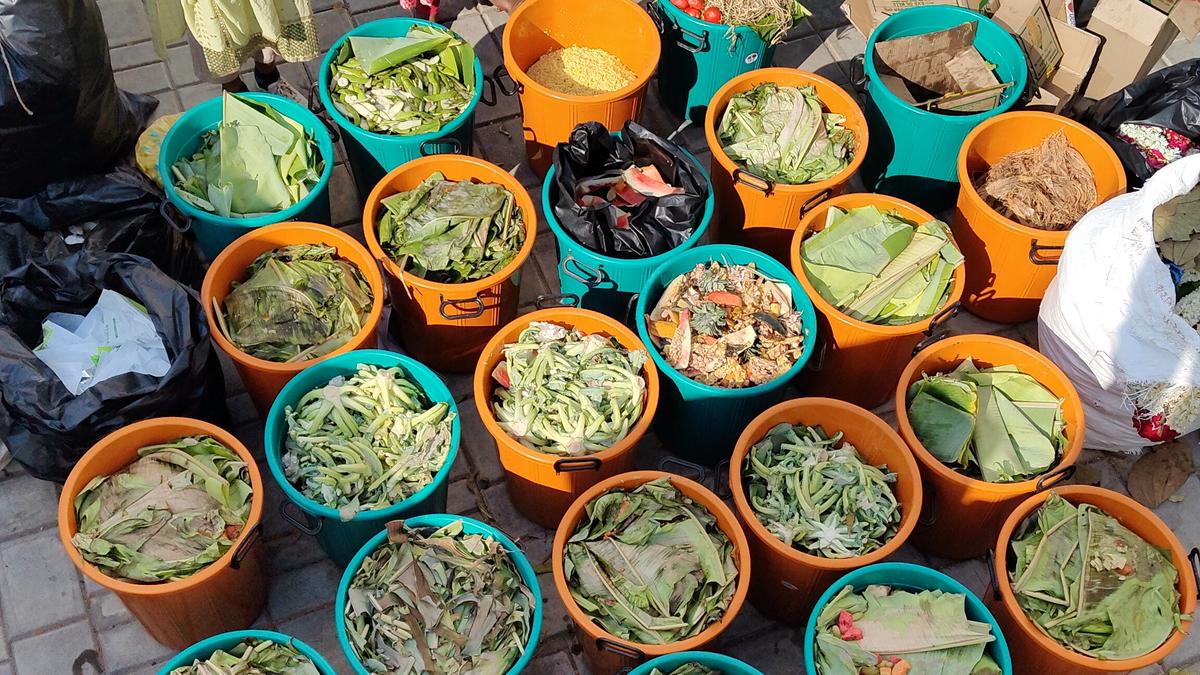
While tying the knot, they loosened a burden weighing on the planet. In the light of World Family Day (May 15), let us invite ourselves, retrospectively, to two weddings in Chennai that in recent times achieved online virality for their zero-waste underpinnings. In both weddings, the bride called the green shots. A green wedding is not different from a regular wedding; it does the regular things differently. The idioms of the ritual continue but in rephrased forms. Here is how Amrutha Pragasam ensured hers read different and green. Uma Ram picked up the green baton late in the day, but ran her feet off to complete the run on time and with impact. Only the day before the reception did she manage to sign on a service provider — Connect To Bhoomi (an organisation focused on promoting and practising sustainability by educating clients on the responsible use of natural resources) — that could deal with the waste generated from the wedding.
A green wedding is not different from a regular wedding; it does the regular things differently. The idioms of the ritual continue but in rephrased forms. Here is how Amrutha Pragasam ensured hers read different and green.
Souvenirs to attendees: jute bags free of wording to enable their resuse.
Invitations: seed paper extending the welcome to invitees, while also carrying seeds planted within it.
Bridal attire: no fast fashion; an easy-on-the-earth handwoven Chanderi sari and rented jewellery.
The rest of the green wedding read: no flexes, foam boards, plastic flowers or bottled water; a bouquet handmade using bast fabric; steel cups; bagasse for plates
Amrutha’s wedding was going to be green by default. Sustainability-minded, Amrutha had thought of such a wedding for herself long before “green weddings” became trendy hashtags. A fashion designer currently pursuing a PhD on sustainable fashion from National Institute of Fashion Technology, she runs a non-profit, Rhapsodeed that sells second hand items, sustainably made, and handmade lifestyle products. With the profits and fundraisers, Rhapsodeed gives a leg-up to the unprivileged to start small ventures of their own.
Amrutha had a vision of an eco-friendly wedding, but had to successfuly impress that mental picture upon those travelling alongside her — her family, her fiancee and his own — so they owned that vision too, at least respected it.


Palla urges NDA leaders to unite for grassroots outreach, enhancing public trust through balanced welfare and development initiatives.

Horses shone at Auroville's 2026 event, showcasing equestrian talent through dressage, derby, and show jumping competitions.

Telangana Governor Shiv Pratap Shukla attends Bihar Foundation Day celebrations in Hyderabad, honoring Bihar's historical and cultural contributions.

Samsung workers protest for the reinstatement of 27 suspended employees, citing unfulfilled promises from the Labour Minister.

The Vice-Chancellor of Rajiv Gandhi University of Health Sciences (RGUHS) B. C. Bhagavan said on Sunday that the university will soon open a research centre on Yoga and Naturopathy on 60-acre land in Bengaluru.

UT Matters: Construction of Uppar drain road overbridge in Puducherry to be completed in four months, amid traffic regulations.

Union Minister Dharmendra Pradhan highlights Bharat Innovates' aim to elevate Indian deep-tech startups to the global stage.

In an exclusive interview, DMK MLA Ezhilan discusses Tamil Nadu's 2026 elections, party structure, and local governance challenges.

Minister Satish Jarkiholi asserts confidence in retaining Davangere and Bagalkot seats in upcoming bypolls amid addressing internal discontent.

Sunil Ambekar of RSS emphasizes national unity, defending road prayer restrictions and promoting awareness of shared ancestry in India.

Opposition MPs and activists voice strong concerns against proposed amendments to the Transgender Persons Act at a Delhi hearing.

Four Assam police commandos injured in an extremist attack during a gunfight in Tinsukia district, officials report.

Campaigning intensifies in Ernakulam district as candidates engage voters ahead of the crucial Assembly polls.