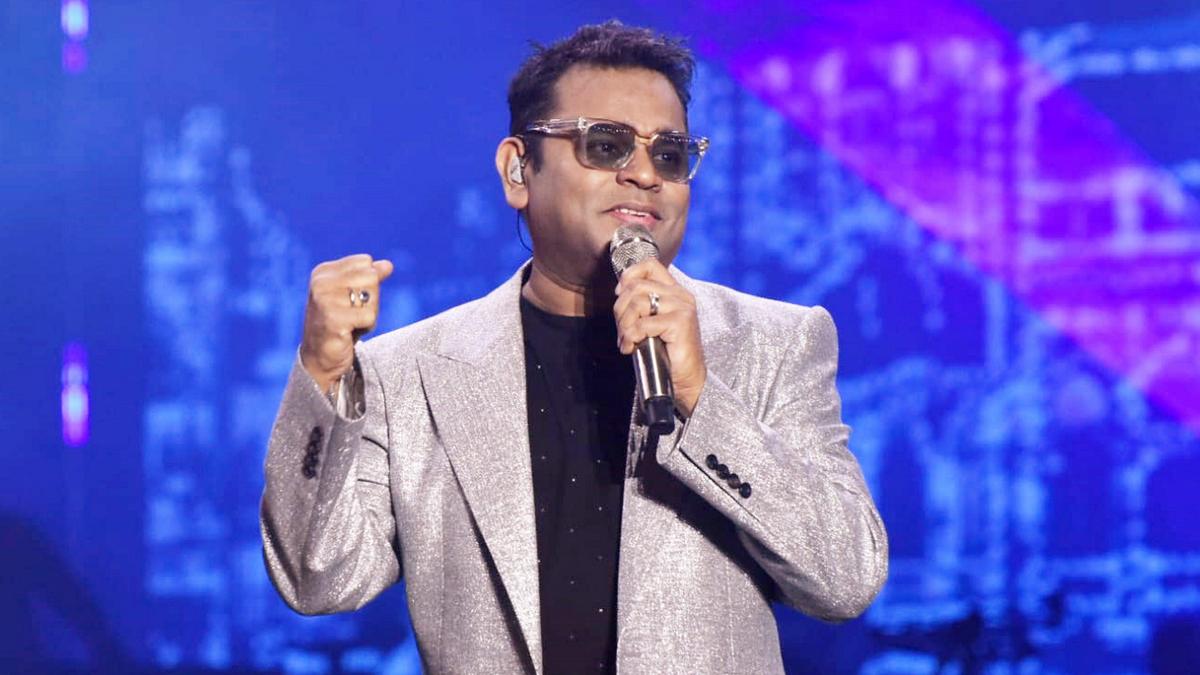
Give ‘some acknowledgement’ to Dhrupad singer, Supreme Court asks A.R. Rahman
The Hindu
Supreme Court urges A.R. Rahman to acknowledge Dhrupad singer Ustad Faiyaz Wasifuddin Dagar for his contribution to “Shiva Stuti.”
The Supreme Court asked music composer A.R. Rahman and the producers of Tamil film Ponniyin Selvan II on Friday to consider giving “some sort of an acknowledgement” to Dhrupad singer and Padma Shri awardee Ustad Faiyaz Wasifuddin Dagar for the musical composition “Shiva Stuti” used in the song “Veera Raja Veera” featured in the Tamil film.
The song composition is based on “Shiva Stuti”, originally sung by the Dagar brothers, Late Ustad N. Faiyazuddin Dagar and Late Ustad Zahiruddin Dagar, the father and uncle, respectively, of Mr. Wasifuddin Dagar.
Mr. Dagar has argued that the film credits and acknowledges that the song was based on “Dagarvani Tradition Dhrupad” - a broad stylistic approach to Hindustani Classical music - but it did not give any credit to him.
A Bench headed by Chief Justice Surya Kant and Justice Joymalya Bagchi was hearing a plea by Mr. Wasifuddin Dagar against the September 2025 Delhi High Court order, which had held there was no prima facie evidence of the Junior Dagar Brothers being the authors of a classical rendition of “Shiv Stuti”.
“The first performance does not necessarily mean authorship. Your case is more of an inference from the first performance that it is authorship. The issue is whether you were the creator or got it from the Dagar tradition and sang it for the first time,” Justice Bagchi addressed Mr. Dagar’s counsel.
The counsel responded that his client had the rights to the composition. “My father and his brother had created it,” the counsel submitted.


PM Modi and President Murmu extend Eid-ul-Fitr greetings, promoting unity, harmony, and compassion for a progressive nation.

Security forces in Manipur seized 29 firearms and 50 IEDs during operations amid ongoing ethnic violence.

A data jam on March 28 by OpenCity will have participants studying how the Assembly constituencies in and around Chennai are faring on a set of parameters

Matheesha Pathirana will miss the start of IPL 2026, while Harshit Rana's participation remains uncertain for KKR.

Shashi Tharoor advocates for peace in the West Asia conflict, emphasizing the urgent need for de-escalation and international cooperation.

Assembly polls 2026: Follow updates from The Hindu on the upcoming elections in five States, on March 21, 2026

Maharashtra women's panel chief resigns amid controversy over ties to rape-accused godman, facing political pressure and public backlash.

India's Iran policy could be shaped by the evolving dynamics of the U.S.–Israel war

Will G. Sudhakaran's independent run disrupt the Left's stronghold in Ambalappuzha and reshape Kerala's political landscape?

The Hindu Morning Digest gives a select list of stories to start the day. Read the top news today on March 21, 2026

Manjeswaram gears up for a tightly contested Kerala Assembly election in 2026, featuring key candidates from UDF, NDA, and LDF.

Thirty-three detained Bangladeshi nationals from Tamil Nadu are being deported to Bangladesh via West Bengal with police escort.

Tree felling for a flyover and underpass on the Manikonda-Hitech City stretch sparks outrage as Hyderabad’s road expansion drives another green loss.