Fingerprints may also wrinkle uniquely Premium
The Hindu
Discover how the unique wrinkling patterns on our fingertips could potentially be used for identification purposes in the future.
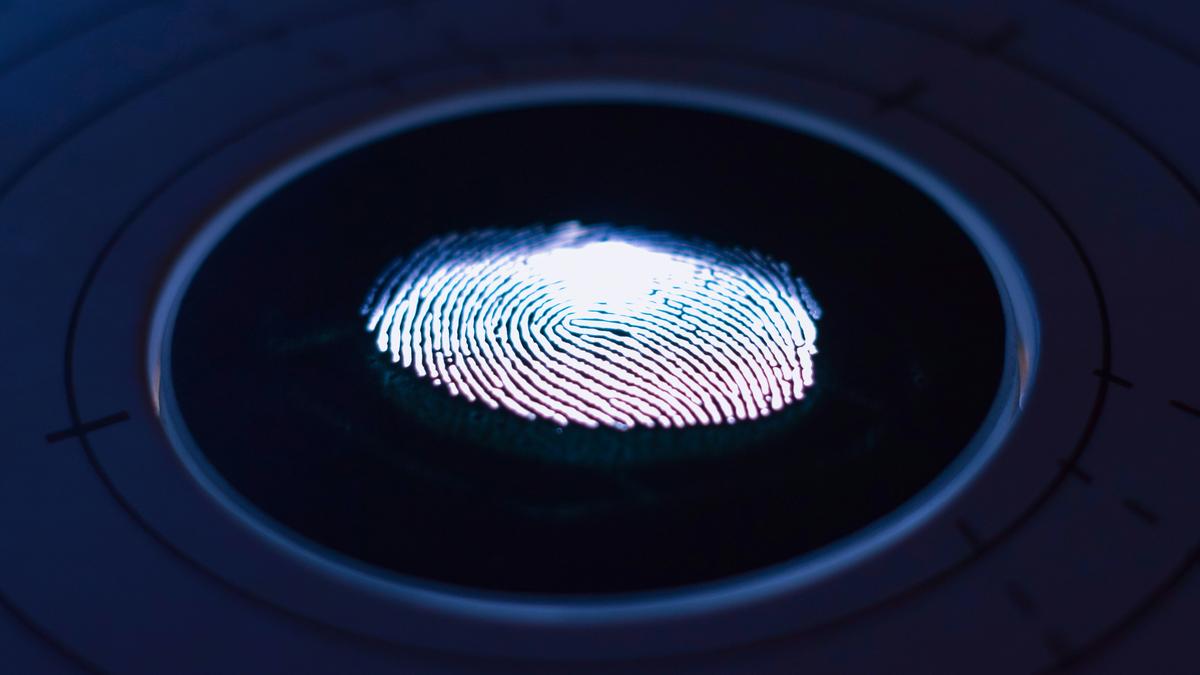
We use many features of our bodies to identify ourselves in government records. Fingerprints in particular are widely used, from unlocking phones with sensors to validating Aadhaar cards. But fingerprints can also be fickle. For example, if you spend an hour in the pool, a fingerprint sensor may no longer be able to read yours. This is because wrinkles will have formed on your fingertips.
Unlike raisins, which swell in water, the skin on our fingers contracts, creating a wrinkling pattern on the tips of our fingers. The discovery of this mechanism over two decades ago challenged the idea that wrinkles form when the skin on the finger swells. Upon further probing, scientists found that the shrinking may have evolved to help humans grip objects better underwater.
The wrinkling happens because when you are in water, the nerves in your fingertips send signals to the brain, which asks the blood vessels in the fingertips to contract.
When Binghamton University associate professor of biomedical engineering Guy German wrote about this for a children’s science magazine, a curious student asked: “Do the wrinkles always form the same way?” This led him to investigating whether the wrinkled pattern is as unique as the fingerprint. In a study published in May in the Journal of the Mechanical Behavior of Biomedical Materials, German and graduate student (recently graduated) Rachel Laytin reported just that.
The team found that the pattern is the same for an individual regardless of how many times it is forced to wrinkle. In their test, team members immersed hands in 40º C water for 30 minutes. Then they mapped the wrinkles and compared them to patterns formed 24 hours later, when the test was performed again. There were only a few small differences.
While fingerprints are two-dimensional motifs, wrinkling patterns are three-dimensional because they have trough-like low points and groove-like high points.
Fingerprints are personal and unique. Even identical twins do not have the same fingerprint.


Karnataka Minister announces efforts to resume separate Haj terminal at Mangaluru airport, pending Centre's approval.

Ahead of the Assembly election, DMK Youth Wing secretary and Deputy Chief Minister Udhayanidhi Stalin has tasked the party youth wing members with meeting young voters every day till the polling day to explain various achievements of the ‘Dravida model government’ to them.

Bird flu outbreak in Chhattisgarh's Bilaspur kills 4,400 chickens, prompting increased surveillance and culling measures.

Four queer activists discuss the repercussions of the Trans Amendment Bill 2026 on dignity and identity within the community.

Explosion in Ooty's Botanical Garden highlights Tamil Viduthalai Padai's protest against Hindi imposition and demand for Tamil Eelam.

Assembly polls 2026: Follow updates from The Hindu on the upcoming elections in five States on March 25, 2026

Royapuram faces urgent issues like livelihood security, affordable housing, and social welfare as residents prepare for the assembly election.

Long queues at Hyderabad fuel stations persist on March 25, 2026, as motorists face delays

ChatGPT maker OpenAI is offering private-equity firms a sweeter deal than rival Anthropic as both artificial intelligence companies court buyout firms to form joint ventures

Opposition parties criticize Delhi's budget as inflated and misleading, questioning transparency and funding for key initiatives.

Srirangam residents seek improved infrastructure and amenities to support rapid urbanization and growing tourism demands in the constituency.

Alandur faces unresolved civic infrastructure issues, including lack of water and drainage, despite recent development efforts ahead of TN Election 2026.

Delhi's fiscal deficit surged by 62% in 2025-26, reflecting revenue declines and raising concerns about the city's economic health.