Every violation of RBI fraud rules not open to court scrutiny: Bombay High Court on lifting Anil Ambani case stay
The Hindu
Bombay High Court rules RBI fraud violations aren't open to judicial review, lifting stay on Anil Ambani's account classification.
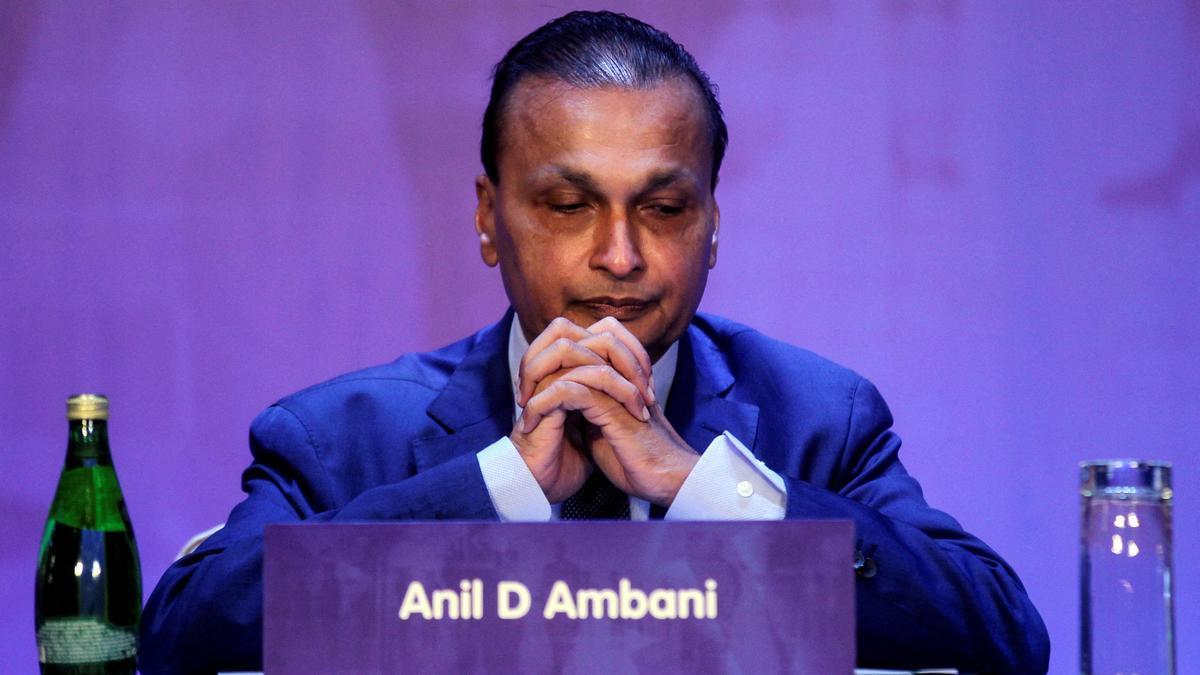
The RBI's Master Directions aim to identify frauds and unscrupulous borrowers for timely action, and every violation of the same is not subject to judicial scrutiny, the Bombay High Court has said while lifting the stay on action by three banks to classify industrialist Anil Ambani's accounts as fraud.
A Bench of Chief Justice Shree Chandrashekhar and Justice Gautam Ankhad on Monday (February 23, 2026) quashed a single Bench order of December 2025, which stayed the action initiated by three public sector banks based on the Master Directions issued by the RBI to classify Mr. Ambani's and Reliance Communications Ltd.'s bank accounts as fraud.
The Court allowed appeals filed by the three public sector banks and the auditor firm BDO India LLP against the December 2025 interim order passed by a single Bench of the HC. The Division Bench held the single Bench order as "perverse and illegal" and in breach of natural justice and said it suffers from "procedural irregularity and impropriety".
The Court in its judgment, which was made available on Tuesday (February 24, 2026), said the Master Directions issued by the Reserve Bank of India (RBI) cannot be interpreted in a different manner so as to cause prejudice to the lender banks and harm their interest.
Also read: ED issues fresh summons to Anil Ambani for February 26
It added that the issue was of public importance and concerned the financial system in the country and hence grant of an interim stay in such a matter was "patently illegal". Based on the facts of the case, it is not difficult to arrive at a conclusion that "no irreparable injury" would be caused to Mr. Ambani if the proceedings against him are continued, the judgment noted.


Meta Chief Executive Mark Zuckerberg is building a CEO agent to help him do his job, the Wall Street Journal reported

Insurance penetration and density are often misunderstood and do not reveal how many families are insured or whether they would be financially secure if the main earning member were to die. The real issue is not reach but adequacy, as households may have life insurance but not enough cover to replace lost income, leaving them financially vulnerable.

Five top firms lose ₹1 lakh crore in market value, with HDFC Bank experiencing the largest decline of ₹56,124.48 crore.

L&T confirms 95% of its West Asia project sites are safe, while addressing logistics challenges amid ongoing regional conflicts.

Mines Ministry to auction 19 critical mineral blocks on March 23, expanding strategic resources for clean energy and technology sectors.

Mines Ministry to auction 19 critical mineral blocks on March 23, expanding strategic resources for clean energy and technology sectors.

Five top firms lose ₹1 lakh crore in market value, with HDFC Bank experiencing the largest decline of ₹56,124.48 crore.

HDFC Bank terminates three senior officials over client onboarding issues at its DIFC branch amid ethical concerns following chairman's resignation.

Air India CEO warns of potential flight cuts and reduced travel demand due to rising fuel costs amid ongoing Gulf conflict.

Options are widely used by retail traders to speculate on the value of the stock for immediate gains and such behaviour in large scale can distort the market

India achieves 1 billion tonne coal production for the second consecutive year, ensuring stable energy supply and economic growth.

Generic drugmakers in India launch affordable Semaglutide versions, targeting a $1 billion diabetes and weight loss market.

Indian and Asian refiners eye Iranian oil purchases as U.S. waives sanctions amid energy crisis linked to the Iran-Israel war.