Doctor outlines four chronic disease categories in fasting risk classification
The Peninsula
Doha, Qatar: The Primary Health Care Corporation reiterated the importance of individual medical assessments for patients with chronic diseases to det...
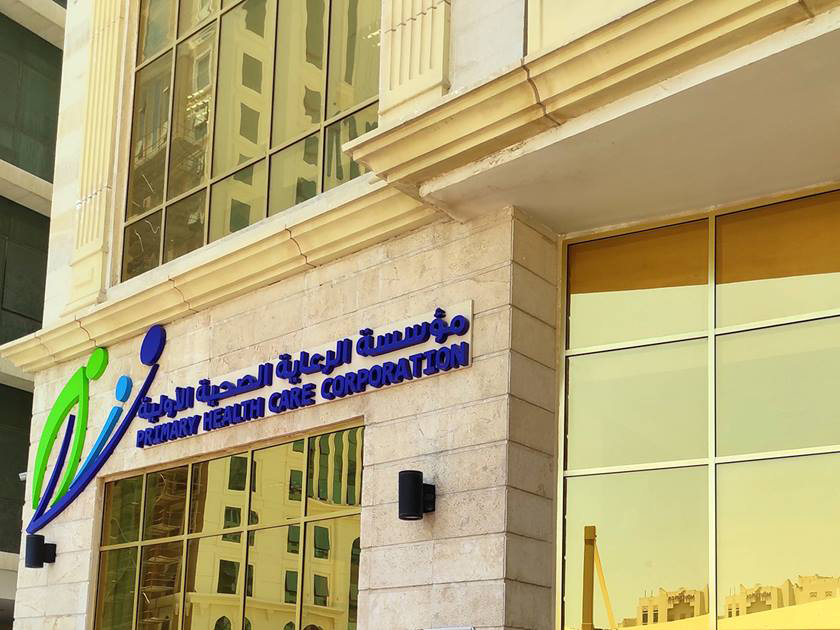
Doha, Qatar: The Primary Health Care Corporation reiterated the importance of individual medical assessments for patients with chronic diseases to determine their health capacity to fast during the remaining days of the holy month of Ramadan, particularly those with diabetes, heart, kidney, or respiratory conditions.
Dr. Rand Silwan Abbood, a family medicine specialist at the Primary Health Care Corporation, told Qatar News Agency (QNA) that fasting represents a health challenge for chronic disease patients, making medical evaluation crucial, especially as many patients advised by their doctors not to fast do not follow this guidance, which may lead to health complications.
She clarified that the ability to fast depends on an accurate classification of health risk levels. She noted that some cases are medically advised not to fast at all, while other categories may fast under medical supervision with treatment adjustments and continuous monitoring.
Dr. Abbood explained that the health risk classification for fasting is divided into several categories: very high-risk cases, high-risk cases, moderate-risk cases, and low-risk cases.
She pointed out that fasting is medically not recommended for "very high-risk cases," which require an alternative and safe treatment plan.


Doha, Qatar: Virtuocity, Qatar s largest purpose built esports arena located in Doha Festival City, has marked a significant milestone with one of the...

Doha, Qatar: As part of its preparations for the holy month of Ramadan, the Sheikh Abdulla Bin Zaid Al Mahmoud Islamic Cultural Center organised a ser...

Cooking chicken can flummox even the more confident home cooks among us. What s the best way to keep it from drying out? What internal temperature sho...

Doha, Qatar: Amid the height of the tourism season, hundreds of tourists from different nationalities are visiting the pavilion of the Sheikh Abdulla...

Doha, Qatar: Rosewood Doha presents Emerald Nights by Bentley, an open air Ramadan experience created in partnership with the renowned automotive bran...

Washington, USA: WhatsApp, owned by Meta, announced the launch of a new password feature for its users on iOS and Android, as part of efforts to enhan...

Doha, Qatar: MES Indian School, Abu Hamour Branch, hosted a grand farewell ceremony for the Class of 2026 in the school s multipurpose hall, marking a...

Doha, Qatar: The Kerala Muslim Cultural Centre (KMCC Qatar), a community organisation of expatriates from Kerala, recently organised a mega blood dona...

Singapore: A recent study has found that prolonged screen exposure among children under the age of two may lead to changes in brain development. Re...

Doha, Qatar: At the far reaches of the northern hemisphere, where seasons overlap and conventional measures of time are disrupted, Muslims face a uniq...

DOHA: The 11th Annual Interprofessional Education (IPE) Student Association Forum at Qatar University (QU) marked a significant milestone in the ongoi...

San Francisco, United States: Microsoft on Friday put out word that Xbox stalwart Phil Spencer is retiring, in a shakeup of leadership at the tech tit...

Doha, Qatar: Lulu Hypermarket Qatar and Qatar Charity have renewed their strategic partnership for the 9th consecutive year, reaffirming their shared...