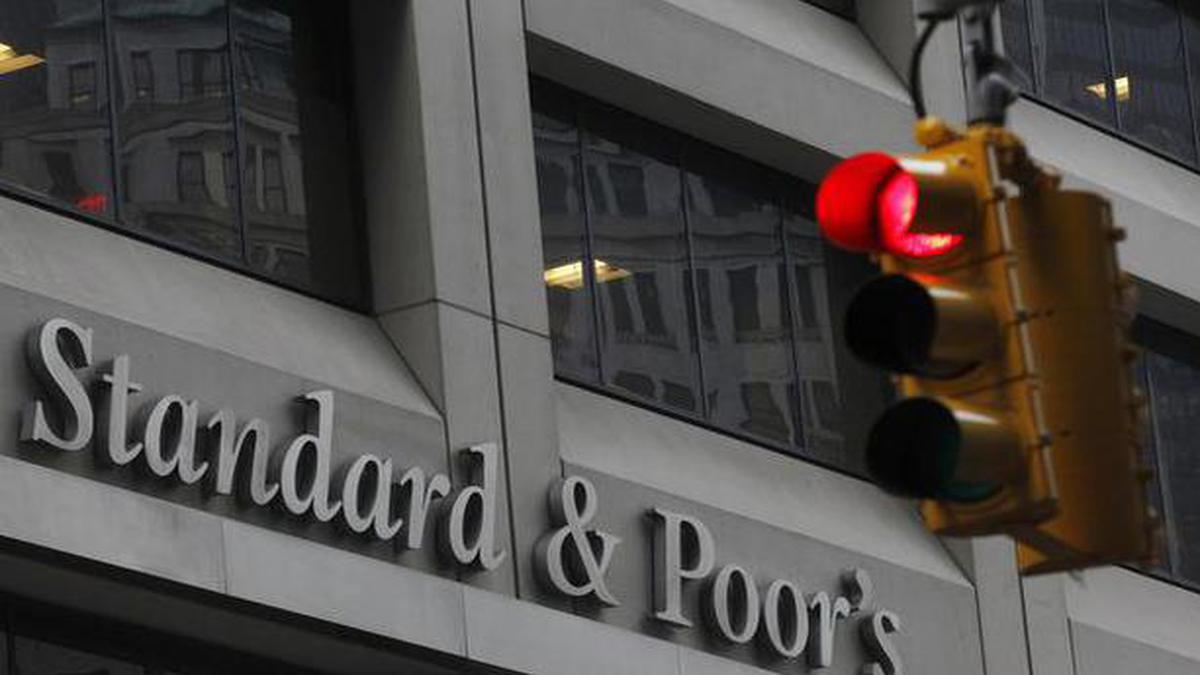
Declining core inflation limits need for further interest rate hikes by RBI: S&P Global Ratings
The Hindu
The policy rate now stands at 6.25%. The RBI's rate-setting panel - Monetary Policy Committee - will decide on the interest rate.
S&P Global Ratings on February 7 said core inflation in India has been declining sequentially, and an elevated 6.25% policy rate limits the need for further rate hikes.
The Reserve Bank of India (RBI) has increased the short-term lending rate by 225 basis points since May last year to contain inflation, mostly driven by external factors, especially global supply chain disruption, following the Russia-Ukraine war outbreak.
The policy rate now stands at 6.25%. The RBI's rate-setting panel - Monetary Policy Committee (MPC) - will decide on the interest rate on Wednesday.
RBI increases key lending rate by 35 bps, pegs GDP growth at 6.8%
"In India, core inflation has been elevated for longer; however, it eased sequentially in the second half of 2022. An already elevated 6.25% policy rate limits the need for further increases," S&P said in a report.
Underlying economic activity continues to be strong, says RBI chief Shaktikanta Das
The RBI has been tasked to ensure that retail inflation remains at 4% with a margin of 2%. However, external factors have led retail inflation to remain above the upper tolerance limit for 11 months in a row. In November 2022, the retail inflation came below the 6% level and declined further in December at 5.72%.


Two Indian-flagged LPG tankers approach the Strait of Hormuz, navigating safely amidst regional tensions to reach Indian ports.

Gold and silver prices plummet over 7% due to West Asia tensions, inflation fears, and a stronger dollar.

Asian shares fall as rising oil prices and escalating Iran conflict diminish hopes for U.S. interest rate cuts.

Japan's SoftBank Group said Saturday it plans to build a huge new gas-fired power plant in the US state of Ohio

Silver prices plunge 9% to ₹2.06 lakh per kg in futures trade amid weak global cues and rising macroeconomic pressures.

OpenAI plans to nearly double its workforce to 8,000 from 4,500 by the end of 2026, the Financial Times reported on Saturday, citing two people with knowledge

Global equity markets plummet as West Asia tensions rise and oil prices surge, triggering significant investor anxiety.

The rupee hits a record low of 93.94 against the dollar amid foreign fund outflows and a crashing equity market.

The Thane police have arrested two co-founders of cryptocurrency exchange platform CoinDCX in connection with an alleged fraud of Rs 71.6 lakh, officials said

Meta Chief Executive Mark Zuckerberg is building a CEO agent to help him do his job, the Wall Street Journal reported

Insurance penetration and density are often misunderstood and do not reveal how many families are insured or whether they would be financially secure if the main earning member were to die. The real issue is not reach but adequacy, as households may have life insurance but not enough cover to replace lost income, leaving them financially vulnerable.

Five top firms lose ₹1 lakh crore in market value, with HDFC Bank experiencing the largest decline of ₹56,124.48 crore.

L&T confirms 95% of its West Asia project sites are safe, while addressing logistics challenges amid ongoing regional conflicts.