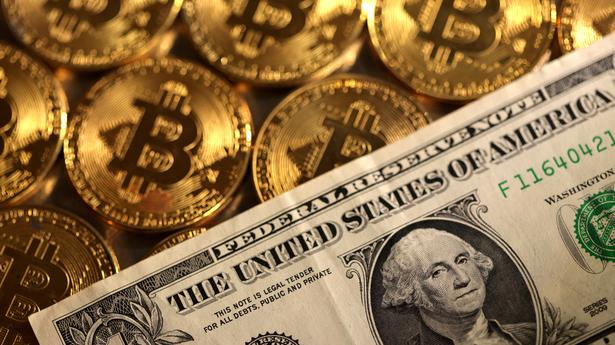
Crypto hack losses surged 60% to $1.9 billion between January and July, reports Chainalysis
The Hindu
In the same period last year, stolen funds from hacking amounted to $1.2 billion
Losses arising from cryptocurrency hacks jumped nearly 60% in the first seven months of the year to $1.9 billion, propelled by a surge in funds stolen from decentralised finance (DeFi) protocols, according to a blog post from blockchain analysis firm Chainalysis released on Tuesday.
(Sign up to our Technology newsletter, Today’s Cache, for insights on emerging themes at the intersection of technology, business and policy. Click here to subscribe for free.)
In the same period last year, stolen funds from hacking amounted to $1.2 billion.
DeFi applications, many of which run on the Ethereum blockchain, are financial platforms that enable crypto-denominated lending outside of traditional banks.
Chainalysis noted that the trend is not likely to reverse any time soon, given the $190 million hacking of cross-chain bridge Nomad and $5 million hacking of several Solana wallets already in the first week of August.
"DeFi protocols are uniquely vulnerable to hacking, as their open source code can be studied ad nauseum by cybercriminals looking for exploits and it's possible that protocols' incentives to reach the market and grow quickly lead to lapses in security best practices," Chainalysis said in the blog.
Much of the funds stolen from DeFi protocols can be attributed to "bad actors" affiliated with North Korea, especially elite hacking units like Lazarus Group, the U.S. firm wrote.


India mandates oil and gas firms to share import and export data to mitigate consumer shortages amid rising global prices.

HDFC Bank's chairman Atanu Chakraborty resigns over ethical concerns; Keki Mistry appointed interim chairman for three months.

Stock markets continue to rise for the third day as Sensex and Nifty gain nearly 1%, fueled by IT stocks.

Indian-flagged vessels in the Strait of Hormuz carry 2 lakh MT LNG and 16.7 lakh MT crude, amidst geopolitical tensions.

Equity analysts downgrade earnings forecasts for oil marketing companies, citing rising costs and market pressures for fiscal 2027.

Plastic product prices may surge by 50-60% in April due to rising polymer costs amid ongoing geopolitical tensions.

Centre offers 10% more LPG to States that accelerate piped gas rollout amid ongoing supply challenges and increased consumer demand.

Indian-flagged vessels in the Strait of Hormuz carry 2 lakh MT LNG and 16.7 lakh MT crude, amidst geopolitical tensions.

Stock markets continue to rise for the third day as Sensex and Nifty gain nearly 1%, fueled by IT stocks.

Rising oil prices and LPG shortages are driving India's shift to electric cooking, offering cost-effective and energy-efficient alternatives.

The rupee fell to a record low of 92.63 against the dollar, while equities surged with Sensex up 633.29 points.

Alibaba is sharpening its artificial intelligence strategy by focusing on agents that connect the many businesses under its sprawling corporate umbrella.

India's semiconductor market is set to reach $300 billion by 2035, driven by local production and growing technology demands.