Concerns mount over waste-to-energy project at Deonar amid pollution fears
The Hindu
Opposition grows against BMC's Deonar Waste-to-Energy plant due to fears of worsening air quality and public health risks.
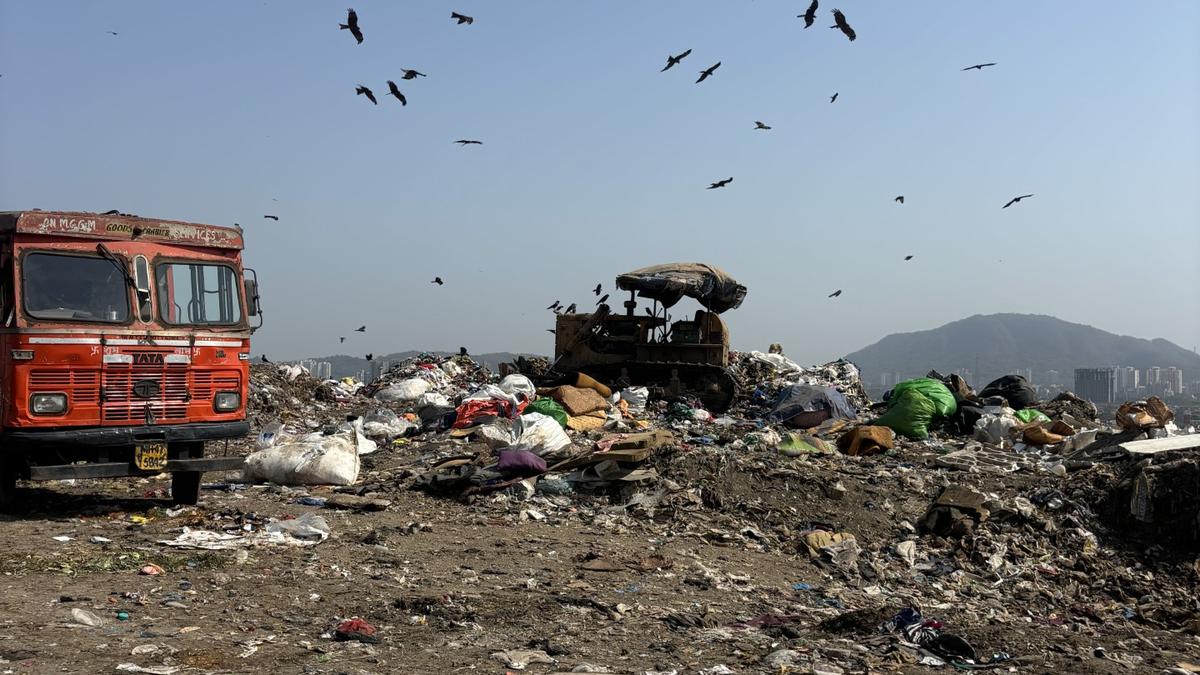
The Brihanmumbai Municipal Corporation’s (BMC) proposed 1800 TPD Waste-to-Energy (WtE) plant at Deonar, the site of India’s largest dumping ground, has drawn strong opposition from residents, activists, and legal professionals, who fear the plant will further deteriorate the already poor air quality in the Govandi area, leading to grave public health consequences.
The WtE project, awarded to Chennai MSW Pvt. Ltd., is slated for commissioning by October 2025 at an estimated cost of ₹2,648 crore. The facility, spread over 8.2 hectares, is expected to process 600 metric tonnes of waste daily, generating an estimated 17 million units of energy annually. However, apprehensions persist regarding the emission of harmful gases and its potential to exacerbate respiratory ailments in a region already plagued by tuberculosis, asthma, and chronic obstructive pulmonary disease (COPD).
Zakir (30), a long-time resident of Baiganwadi near the Deonar site, expressed anxiety over the project’s implications. “Every other house here has a TB or asthma patient. Adding another pollutant-emitting project will make survival even harder,” he said. The area, comprising over 200 informal settlements, houses more than one million people, many of whom live in close proximity to the Deonar dumping ground and already report high exposure to toxic emissions.
“This technology may claim to control emissions, but the ground reality is different. I work at the dumping site; I see what happens,” another Baiganwadi resident, also employed at the landfill, said. Residents also voiced concerns that the same area is being earmarked to rehabilitate families displaced under the Dharavi Redevelopment Project.
Legal interventions have also begun to take shape. Advocate Abid Abbas Sayyed has filed formal objections to multiple authorities including the BMC Commissioner, Maharashtra Pollution Control Board (MPCB), and Central Pollution Control Board (CPCB). In his letter, he questioned the environmental clearances granted to the plant, warning that incineration will produce carcinogens, dioxins, furans, carbon monoxide, and sulphur oxides.
“What is the guarantee this plant will not worsen existing respiratory conditions?” Mr. Sayyed asked. He pointed out that the biomedical waste facility set up in 2009 at the same site operated for five years without MPCB clearance. Despite a court order over six months ago mandating its relocation, compliance remains pending.
Residents of Shivaji Nagar, like Aditya (35), shared similar frustrations. “We were told the biomedical plant was safe. But now we wake up to black soot on our vehicles and a constant foul smell,” he said. “The average life expectancy here is reportedly just 39 years. How much more can the BMC extract from Govandi?”


Bose Krishnamachari resigned from the Kochi Biennale Foundation amid sexual harassment allegations, confirmed by the foundation's chairperson.

Apple Maps, an app that comes bundled on hundreds of millions of iPhones and other devices each year, will display paid advertising on top of existing organic search results

From the universe’s many wondorous objects to a fascinating pattern of numbers, and whether AI can possess superhuman strength, Science At The Sabha will have fascinating talks for participants of all ages

A Sikh organisation has lodged a complaint against the makers of the film alleging that the movie’s promotional material has hurt the religious sentiments of the Sikh community

Speculation over Congress' Chief Ministerial candidate in Kerala persists despite party leaders' attempts to quell the discussions ahead of elections.

A fake dentist operating illegal clinic in Hyderabad's Old Neredmet has been arrested for endangering public health.

Explore the concept of Force Majeure and its implications amid ongoing geopolitical conflicts affecting global gas exports.

Malavika Sarukkai’s latest production Beeja explores humanity, Nature and healing through the language of dance.

Hindustani expert N Rajam and Mandolin Rajesh are among the National Awardees of the Sree Ramaseva Mandali’s Chamarajpet Ramanavami this year

Explore exclusive interviews with Tamil Nadu political leaders ahead of the 2026 Assembly election to aid informed voter decisions.

Explore North East India with South Star Rail's three unique 14-day train tour packages from Mangaluru, starting April 25.

A woman and her son sustained burn injuries in a gas cylinder fire in Bagalkot, Karnataka, and were hospitalised.

Directed by Nicholas Kharkongor, the show also stars Angira Dhar, and Ranveer Brar in pivotal roles