Coins, chemicals and more: doctors urge vigilance amid rise in accidental ingestions among kids during summer vacations Premium
The Hindu
Unintentional poisoning is a global public health issue, with children at high risk, requiring awareness and prevention measures.
In India, poisoning rates are among the highest in the world. Childhood poisoning range from 0.33–7.6%, most commonly observed among children in the age group of 1–5 years.
According to the World Health Organization (WHO), unintentional poisoning is a significant global public health problem. WHO estimates that unintentional poisoning accounts for a significant portion of emergency hospital visits in many countries.
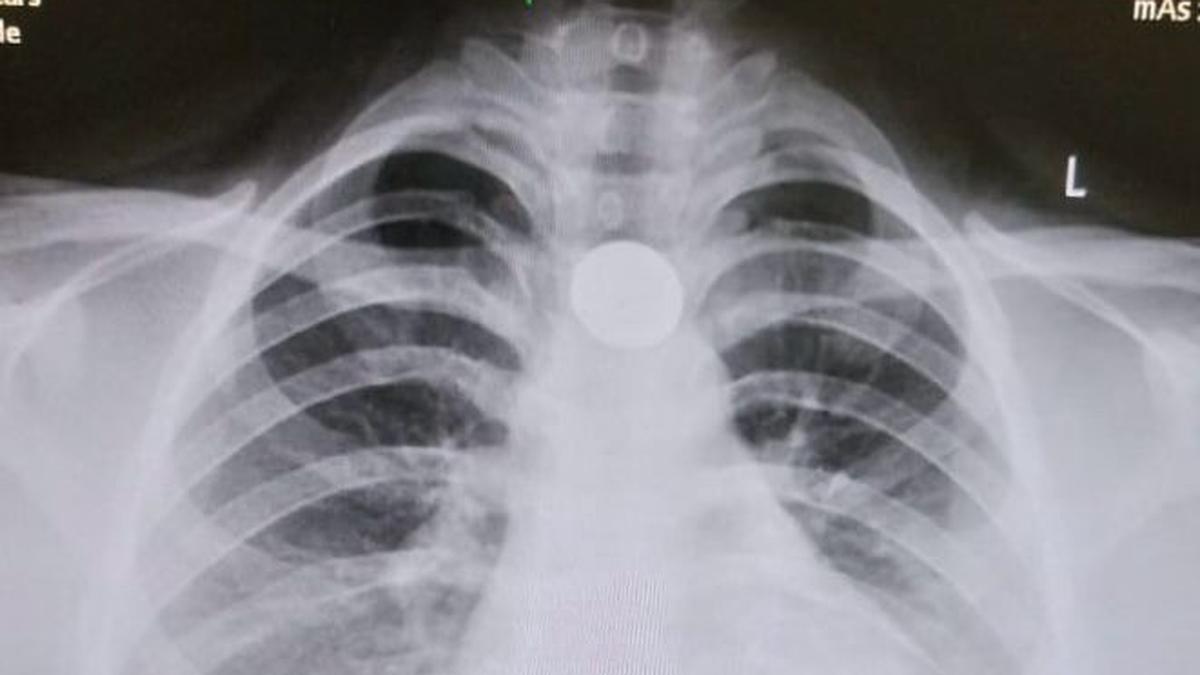
Dhanasekhar Kesavelu, consultant paediatrician and paediatric gastroenterologist, Apollo Children’s Hospitals, Chennai, classifies ingestions into solids and liquids. Solid objects include Lego pieces, pins, coins, plastic parts, locks, and keys-- typically swallowed out of curiosity. If such items reach the stomach and are smooth, they may pass naturally. But if they get stuck in the oesophagus, the child may experience dysphagia or difficulty swallowing, sometimes clutching their chest.
“Some items need urgent removal, especially button batteries, which can burn through tissue rapidly due to electric discharge. Coins stuck in the oesophagus also require removal if they cause symptoms,” says Dr. Kesavelu , citing the 2023 ESPGHAN guidelines (European Society for Paediatric Gastroenterology Hepatology and Nutrition), which outline detailed protocols for ingestion emergencies.
Dr. Kesavelu points out that liquid ingestions are often more dangerous than solids, especially when they involve corrosive substances like acids, alkalis, or battery fluids. “These liquids can cause severe internal burns in the food pipe or, in some cases, even the respiratory tract if aspirated,” he explains. One crucial rule, he stresses, is never to induce vomiting if a child has ingested something corrosive. “Vomiting brings the chemical back up through the oesophagus, essentially doubling the damage.”
Summer holidays bring with them a notable rise in paediatric emergencies, particularly accidental ingestion cases.
Swati Bhayana, consultant, paediatric hematology and oncology, Fortis Healthcare, Gurgaon, observes that such incidents increase significantly during these months. With children, especially toddlers and those under seven, spending more time at home, their natural curiosity leads them to explore their surroundings freely. “They are still learning what’s safe and unsafe,” she explains, adding that the combination of boredom, heat-induced dehydration, and a lack of close supervision often results in children picking up small objects or sipping from containers without understanding the risks.


CM A. Revanth Reddy distributes ₹1 crore insurance cheques to families of deceased Electricity department employees, enhancing financial security for workers.

The Bengaluru Traffic Police (BTP) registered 634 cases of drunk driving during a week-long special enforcement drive conducted across the city between March 16 and March 22.

GHMC intensifies action against property tax defaulters, seizing properties and offering a One Time Settlement scheme for payments.

CCB arrests three drug peddlers in Mangaluru, seizing ₹2.5 lakh worth of MDMA and other valuables.

TVK's 28 candidates in Puducherry include former BJP MLAs, a sitting Independent, and a retired police IG.

BRS submits notice on private member bill to Speaker

CPI-M accepts DMK's five-seat offer for Tamil Nadu Assembly elections, prioritizing INDIA bloc unity over seat demands.

Ricky Rai, son of former underworld operative Muthappa Rai, on Monday appeared before the Bengaluru Traffic Police for questioning in connection with a case involving a Lamborghini performing dangerous stunts at Anil Kumble Circle on March 21.

The Dispur election heats up as 'CongBJP' defections shape a high-stakes contest between veteran candidates from BJP and Congress.

Bengaluru's M. Chinnaswamy Stadium conducts readiness drill ahead of IPL 2026, ensuring upgrades and technical preparations are complete.

First-level randomisation of EVMs completed in Nagapattinam for upcoming elections, ensuring transparency and security.

A district-level committee in Krishnagiri has been formed to assess and verify seizure claims of goods and cash.

Minister Anam Ramanarayana Reddy pledges government support for local fishermen and farmers facing challenges in Andhra Pradesh.