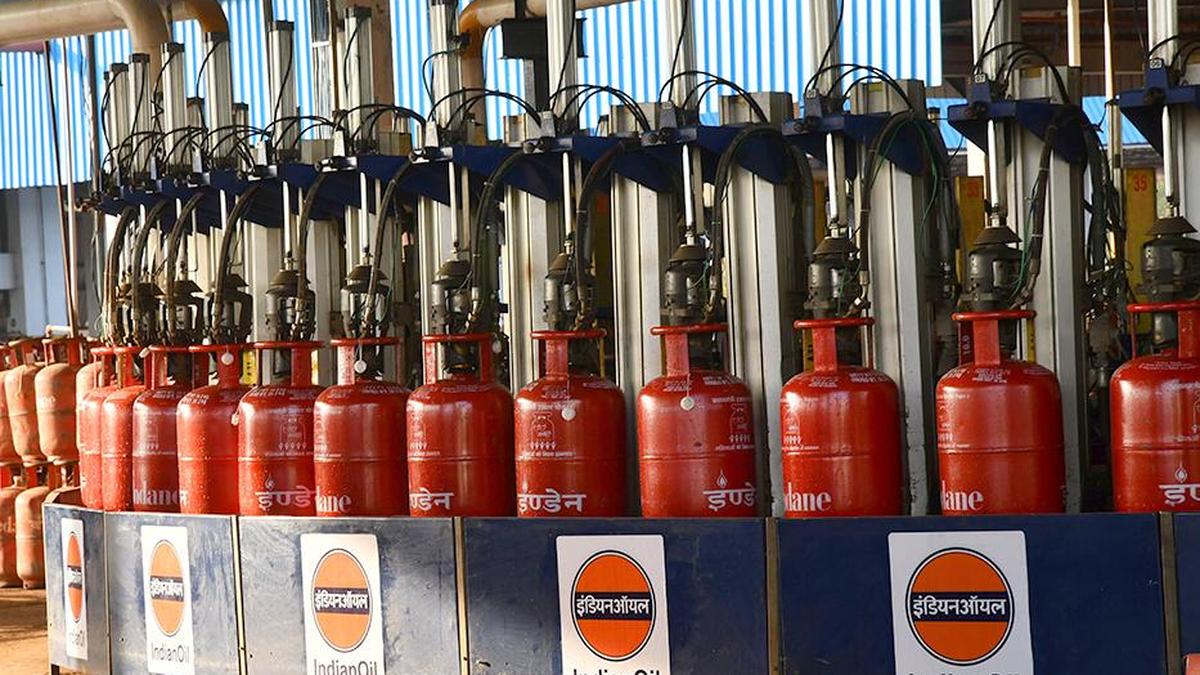
Centre invokes Essential Commodities Act to prioritise natural gas allocation to certain sectors
The Hindu
India prioritizes natural gas allocation to key sectors amid disruptions from the Strait of Hormuz, invoking the Essential Commodities Act.
Invoking the Essential Commodities Act, 1955, the Ministry of Petroleum and Natural Gas (MoPNG) has sought diverting natural gas to certain priority sectors with a tiered structure.
Israel-Iran war LIVE: Consequences for global oil markets could be ‘catastrophic’ if Hormuz closure continues, Aramco chief says
In a gazette notification dated March 9, the Ministry underlined domestic piped natural gas (PNG), Compressed Natural Gas (CNG) for vehicular fuel, and Liquified Petroleum Gas (LPG) production alongside fertilizer manufacturing, tea industries, manufacturing and other industrial consumers, among the priority sectors.
The gazette underlined the priority allocation was mandated in light of disruption of LNG shipments routed through the Strait of Hormuz, and Indian suppliers obligated to invoked forced majeure because of the ongoing tensions in West Asia. At present, about 30% of India’s natural gas requirements are routed through the Strait of Hormuz.
Earlier this week, the government had invoked the Essential Commodities Act for prioritising LPG supply to domestic consumers.
The gazette notification introduced tiered allocation priorities to each of these sectors. For example, domestic piped natural gas supply, CNG for transport and LPG production, among others, have been accorded for “priority allocation” with supplies to be upheld uninterrupted at “hundred per cent”, subject to operational availability. This would be premised on their average consumption from the previous six months.


Rupee plunges to record low of 92.35 against the dollar amid foreign fund withdrawals and rising crude oil prices.

Asian central banks face tough choices on interest rates amid rising oil prices and the escalating Iran conflict, impacting growth and inflation.

G7 Finance Ministers to discuss coordinated emergency oil reserve release amid surging prices and market instability.

Crude prices surge to $100 as investors sell off, causing Indian stock markets to drop 3% amid geopolitical tensions.

The U.S. urges India to purchase Russian oil at sea to alleviate supply fears amid ongoing West Asia conflict.

China’s commerce ministry on Saturday raised the possibility of another global semiconductor supply chain crisis due to “new conflicts” between Dutch chipmaker Nexperia and its Chinese subsidiary.

Sony will face a £2 billion ($2.7 billion) class action lawsuit starting Tuesday in London, accused of allegedly breaching competition law by overcharging millions of UK PlayStation users.

Oil prices eclipsed $114 per barrel for the first time since 2022 on March 9, 2026 as the Iran war intensified. Stock markets and forex markets

Asian equities drop sharply as oil prices surge 30% amid escalating West Asia conflict, raising inflation and economic concerns.

India’s renewable energy sector is in the midst of an extraordinary build-out. Capacity targets are being met, investments are flowing in, and the country has positioned itself as a global clean-energy leader. But beneath these headline achievements lies a troubling operational reality. Take the example of Rajasthan, where more than 4,000 MW of fully commissioned renewable capacity is unable to evacuate power during peak hours, due to grid congestion.

India seeks alternative crude oil supplies from the U.S., Russia, and West Africa amid ongoing West Asia conflict.

Sindhu Gangadharan emphasizes the need for women’s leadership in AI to ensure ethical, inclusive, and impactful technology development.

Room air conditioner prices will rise 5-15% ahead of summer due to increased raw material costs and new energy norms.