Can Aphrodisiac Foods Actually Help You Get Lucky on Valentine’s Day?
HuffPost
The oysters aren’t creating desire. Your brain is.
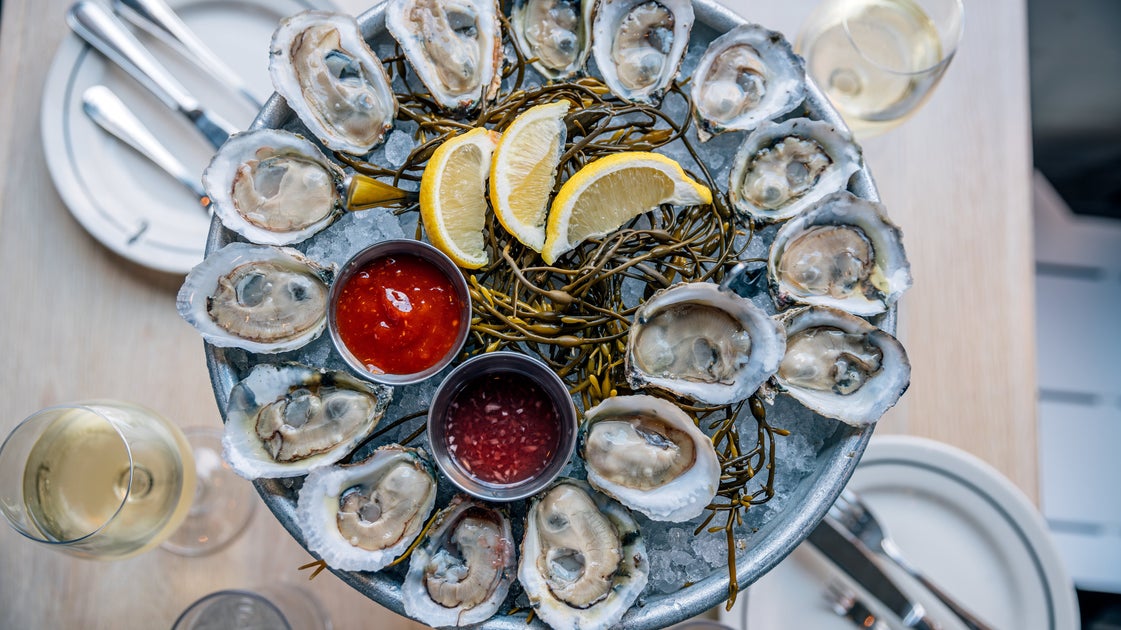
You know the drill. February hits, and restaurants start selling oysters as romance insurance at premium prices. Ordinary foods get repackaged as aphrodisiacs, marked up and sold as if you can buy desire along with dessert.
That collective belief has a price tag. Last year, Americans spent a record $27.5 billion on Valentine’s Day. More than $2 billion went to chocolates, while restaurants charged 30-50% more for menus featuring these supposed aphrodisiacs. A basic box of truffles, marketed as desire-boosting treats, retails for over $21.99.
Nutritionists and sexual health experts are blunt. You’re paying for a placebo.
“Foods that are often called aphrodisiacs mainly affect desire through the mind and the senses, not the body. They look appealing, taste indulgent and carry a long cultural reputation tied to romance,” explained Dr. Mohit Khera, past president of the Sexual Medicine Society of North America. The oysters aren’t creating desire. Your brain is.
That psychological effect is powerful, according to Dr. Christina Chick, a clinical psychologist specializing in couples therapy. Psychologists call this the “meaning effect” when belief produces real physical changes. “When you believe something will make you feel romantic, your attention narrows, anxiety drops and arousal becomes more likely,” she explained. “That’s not ‘fake,’ it’s brain-body biology responding to expectancy.”


Doctors share their thoughts on what’s normal when it comes to gas and what needs to be checked out.

These spacers can help align your toes and ease bunion pain.

From AIM away messages with decodable lyrics to Instagram thirst traps, this behavior is nothing new.

Here’s how to determine the best frequencies and foods for your noggin.

Professional organizers say noticing these small words can reveal why clutter sticks around — and make letting go much easier.

If you can’t stop thinking about Shane and Ilya, experts say it could be because there are secret desires you might hold close.

The sighting marked only the second recorded sighting of the bird north of Central America.

Though past research has focused on the health benefits of cheese, the new data examined its direct relationship to the disorder.