Boots vs Bots: Finding the fighter for the new American war Premium
The Hindu
Boots vs Bots: Finding the fighter for the new American war
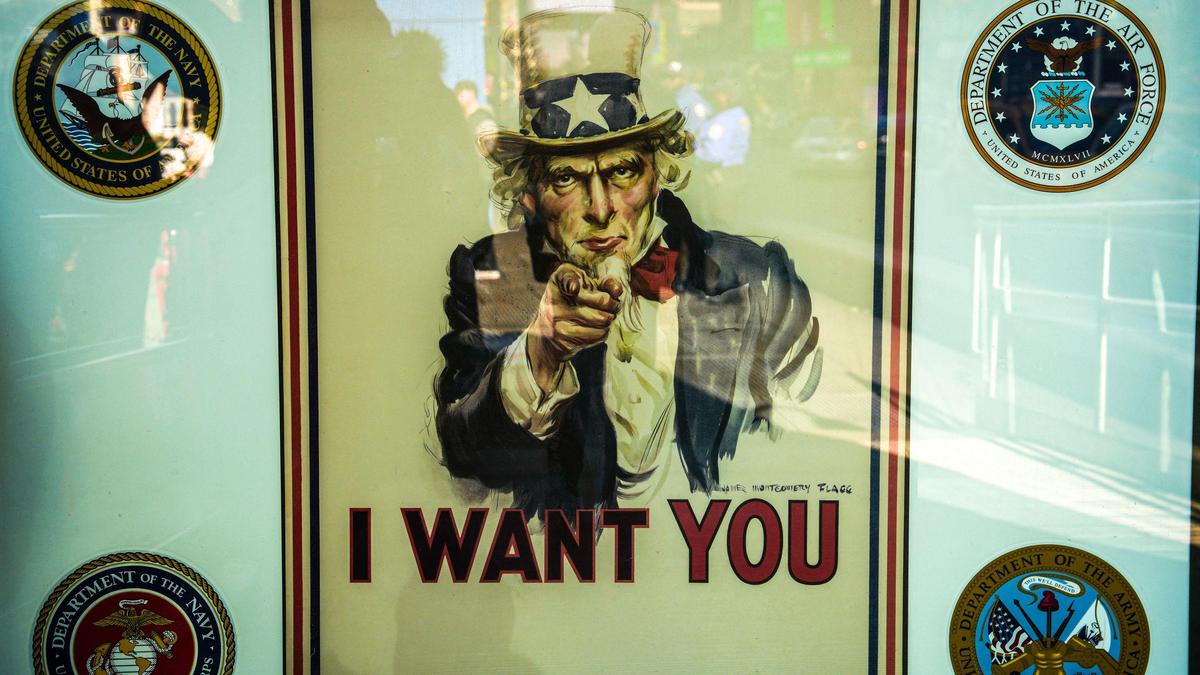
A ceremonial event to honour American veterans at the White House, and the war of nerves between the Pentagon and AI giant Anthropic over the control and deployment of autonomous weapons systems amid the new West Asia war launched by the U.S. and Israel are connected by a shared question — where to find the fighters.
On March 2, three soldiers — Retired Command Sgt. Maj. Terry P. Richardson, honoured for saving 85 fellow soldiers under enemy fire in Vietnam; Master Sgt. Roderick W. Edmonds, posthumously recognised for shielding Jewish prisoners of war from Nazi guards in the Second World War; and Staff Sgt. Michael H. Ollis, posthumously honoured for absorbing a suicide bomber’s blast to save a Polish officer in Afghanistan — were awarded the Medal of Honor by President Donald Trump.
Editorial | West Asia on fire: On the Israeli-American war against Iran
However, the classic transfiguration of a soldier’s death into an act of valour depends on a society willing to receive it. In the U.S., the cult of individualism is celebrated by the state and society alike. Social media has made the cost-benefit analysis of wars more democratic, and the loss of American lives is difficult to defend.
The question of who fights and who profits from wars has become an open public argument in the U.S. The manner in which war supporters were skewered by online influencers after many of them praised the sacrifice of the six American soldiers killed in ‘Operation Epic Fury’ is instructive. The vertical propaganda of sacrifice for the nation — spoken by strategic elites in the name of national interest — is severely challenged, and there is no restoring that narrative in the U.S. In contrast, consider the death of Ayatollah Ali Khamenei, the Supreme Leader of Iran, who possibly wanted it that way: in Shia theology, revenge, sacrifice and martyrdom are integral.
After the U.S. discontinued mandatory draft in 1973, the staffing of its voluntary military has gone through many policy questions and challenges. Currently, the size of the U.S. military is the lowest in its history — from 12.2 million during the Second World War to 1.4 million at the end of the Cold War to 1.1 million now. In 2018, a study estimated that 77% of young adults in the U.S. are ineligible to serve, disqualified by obesity, educational deficits, criminal records, or drug use. After several years of falling short of recruitment targets, the U.S. military had a good year in 2025, meeting them only after substantial pay increases and the introduction of preparatory courses for recruits who could not meet baseline academic or fitness standards.


Hungary's PM Orban accuses Ukraine of blackmail, halting transit shipments until oil flow agreements are restored.

Iran's Deputy Foreign Minister condemns U.S. attack on unarmed vessel, emphasizing violations of international law and escalating tensions.

The Justice Department releases previously withheld Epstein files containing uncorroborated accusations against Trump amid ongoing scrutiny and political pressure.

Intense Israeli airstrikes target Iran and Lebanon as U.S. warns of escalating conflict and heightened military involvement.

Australian troops were aboard a U.S. submarine that sank an Iranian ship; PM Albanese clarifies their role was non-combat.

Trump pressures Latin American leaders to reduce ties with China, invoking U.S. control over the Panama Canal and imposing travel bans.

Cuba reports fifth death from a shootout involving a U.S. speedboat, with charges filed against survivors linked to terrorism.

Bangladesh faces soaring LNG prices after Qatar halts supplies, prompting gas rationing and shutdowns of fertiliser plants.

Jimmy Lai's legal team announces he will not appeal his 20-year national security conviction in Hong Kong.

Rastriya Swotantra Party leads in 23 seats in Nepal's elections, with a 60% voter turnout amid significant political changes.

Iran-Israel war: Follow the latest updates on the West Asia conflict, on March 6, 2026

Trump demands influence over Iran's leadership choice amid escalating Israel-Iran conflict, dismissing Khamenei's son as a contender.

Twenty-four U.S. states file a lawsuit to block Trump’s new tariffs, claiming they violate legal authority and seek refunds.