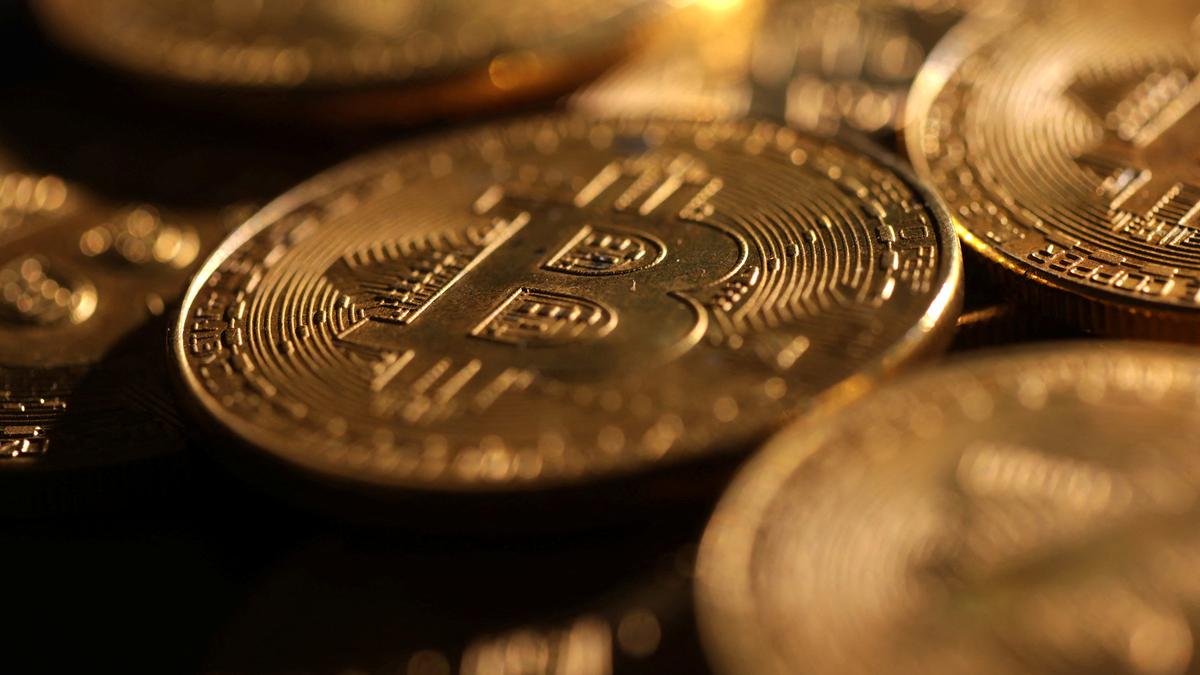
Bitcoin options trade shows more bets on retreat after failing to breach $100,000
The Hindu
Investors are anticipating a significant downward move after bitcoin failed to hit an all-time peak of $100,000.
Investors in the world's largest cryptocurrency are anticipating a significant downward move after bitcoin failed to hit an all-time peak of $100,000, according to a crypto trading platform citing recent options activity.
Bitcoin hit a record high of $99,830 on November 22, but it has since fallen more than 8% to a one-week low of 91,377.32 on Tuesday.
The best-known cryptocurrency has soared 120% so far this year and about 34% this month with the election of Donald Trump as U.S. president and a slew of pro-crypto lawmakers in Congress. Trump embraced digital assets during his campaign, promising to make the United States the "crypto capital of the planet," and accumulate a national stockpile of bitcoin.
Nick Forster, founder of onchain options decentralised protocol Derive with total trade volume of $7.1 billion, said in emailed comments on Tuesday that the so-called call-put skew index for the upcoming December 27 bitcoin expiry showed a significant 30% drop in the last 24 hours, as market participants shifted toward more protective strategies.
The call-put skew, which reflects market sentiment, refers to the difference in implied volatility between calls (options to buy) and puts (options to sell). This skew still shows a preponderance of calls over puts, although it has since declined.
"It suggests traders are hedging against potential downside risks," Forster said, likely in response to BTC falling sharply. "However, pullbacks like these are not uncommon in bull markets."
Investors are looking to December 27, when $11.8 billion in bitcoin options expire that could trigger major moves in either direction.


OpenAI has signed a new deal to sell access to its AI models to U.S. defence and government agencies through Amazon’s cloud unit for classified and unclassified work, the ChatGPT maker said

Samsung Electronics said on Wednesday that it expects to start volume production of Tesla’s chips

The Trump administration said in a Tuesday court filing that the Pentagon’s blacklisting of Anthropic was justified and lawful

Mastercard Move aims to simplify cross-border payments for SMEs and students in India, enhancing efficiency and reducing costs.

SBI raises ₹6,051 crore through 10-year bonds, attracting strong investor demand with a 7.05% coupon rate.

In February, as per government data, domestic LPG production was slightly more than 1 million tonne.

Union Government urges States and UTs to expedite approval of gas pipeline projects to promote piped natural gas usage.

Parliamentary panel criticizes Ministry of Planning and Niti Aayog for persistent underutilization and poor financial management practices.

LPG consumption in India dropped 17.7% in March due to war-related supply disruptions, impacting household cooking gas availability.

LPG eKYC is required only for unauthenticated customers, clarifies the Ministry of Petroleum and Natural Gas.

India's second LPG carrier, 'Nanda Devi', arrives at Gujarat's Vadinar port, carrying 46,500 metric tonnes of gas.

European publishers, tech firms and startups have urged EU antitrust regulators to wrap up a near two-year probe into Alphabet unit Google’s alleged favouring of its own services in online searches and impose a fine on the tech giant.

OpenAI is in advanced talks with private equity firms including TPG, Advent International, Bain Capital and Brookfield Asset Management to form a joint venture