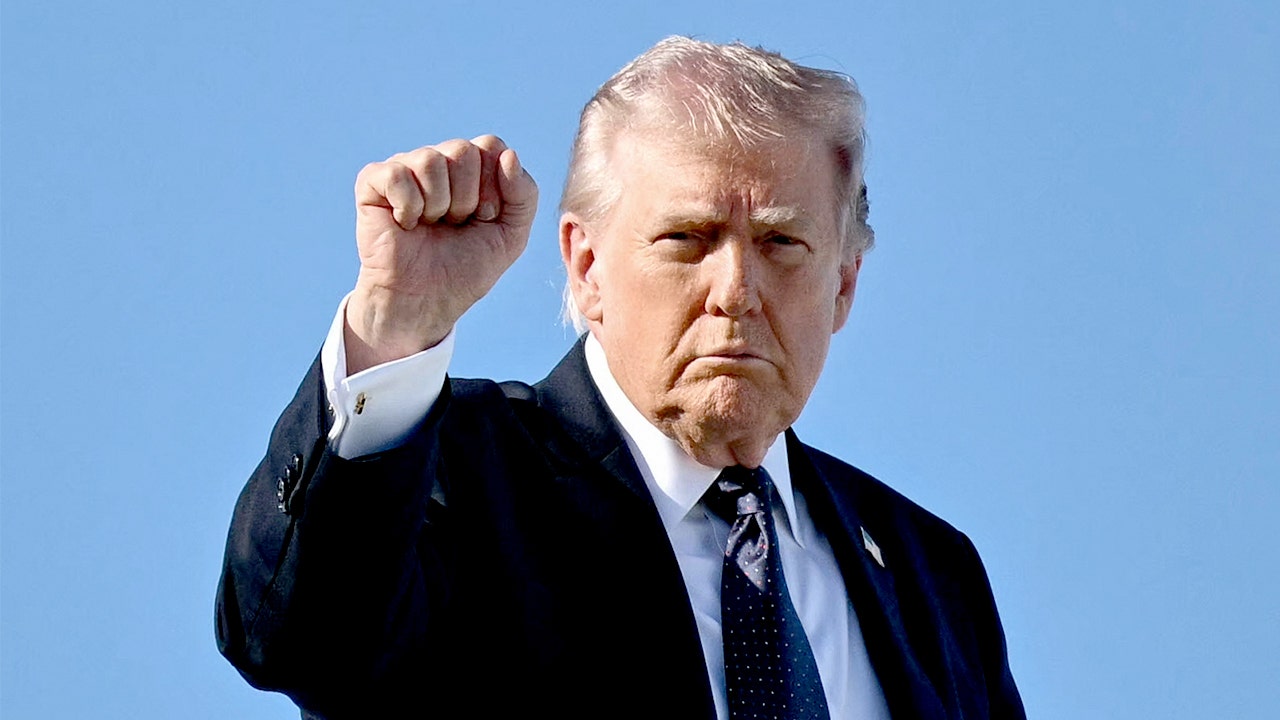
Beyond the Iran Deal: Why Trump’s refusal to ‘kick the can’ just saved generations
Fox News
Iran's nuclear ambitions face major setback as Trump authorizes military strikes on key nuclear facilities, ending decades of failed diplomatic efforts.
Van Hipp is a former Deputy Assistant Secretary of the Army.
The free world has long been concerned about Iran’s nuclear program. And it’s their nuclear ambitions, when combined with the ever-increasing range of its ballistic missile capability, that poses the greatest threat. Over the years, steps have been undertaken to try and delay or slow down Iran’s nuclear efforts. The Stuxnet cyberattack in 2010 destroyed many spinning centrifuges at Iran’s Natanz facility. Experts believe this set Iran’s nuclear program back approximately 2 years. Regardless of these efforts though, Iran would always reconstitute and expand its nuclear program, thumbing its nose at the International Atomic Energy Agency (IAEA) along the way.
In 2015, the Joint Comprehensive Plan of Action, or "Iran Deal," was negotiated with U.S. Government support, and the support of the vast majority of national security experts who opposed Trump’s candidacy in 2016. During the 2016 presidential campaign, then candidate Trump called it a "horrible, one-sided deal" because it did not address Iran’s ballistic missile program, and that it would allow Iran’s nuclear efforts to continue as restrictions are phased out. Fortunately, in 2018, President Trump, determined that Iran would never have a nuclear weapon, formally withdrew the U.S. from the Iran Deal.


Austin mass shooting suspect Ndiaga Diagne reportedly posted antisemitic hate speech on X before killing 3 people and wounding 13 others at downtown bar Sunday.

Supreme Court temporarily blocks California gender policies that prevented schools from notifying parents about children's gender identity discussions.

Trump says NYC Mayor Zohran Mamdani mad 'big progress' for embracing Declaration of Independence during Oval Office meeting, sharing photo on Truth Social.

Israeli airstrike reportedly hits Qom building where Iranian clerics planned to deliberate succession plans for Supreme Leader Ayatollah Ali Khamenei.

DHS Secretary Kristi Noem fielded tough questions on ICE actions amid a broader funding fight — and some GOP and Democratic lawmakers are calling for her resignation

DHS Secretary Kristi Noem faced Senate criticism over a $200 million ad campaign that deputy assistant secretary Lauren Bis claimed prompted 2.2 million illegal immigrants to self-deport.

Pennsylvania school bus driver Kelly Weber is accused of driving 54 elementary students while allegedly four times over the legal alcohol limit at .331% BAC, authorities said.

Rep. Nancy Mace of South Carolina is forcing a vote via privileged resolution targeting sexual harassment allegations against fellow Republican Rep. Tony Gonzales of Texas.

President Trump is exploring backing Kurdish forces and internal militias to overthrow the Iranian regime following U.S. and Israeli military strikes in 2026.

Supreme Court hears case of Texas man Ali Danial Hemani charged with felony for possessing handgun while admitting to smoking marijuana every other day under federal gun law.

Department of Homeland Security defends immigration enforcement after Senator Richard Durbin and Senator Alex Padilla criticize agency's deportation practices and criminal statistics.

Trump administration Commerce Secretary Howard Lutnick is expected to testify before the House Oversight Committee for its probe into Jeffrey Epstein.

Rep. Eric Swalwell said Democrats will support DHS funding if Republicans agree to immigration reforms, citing Minnesota shooting deaths during an interview with CNN on Tuesday.