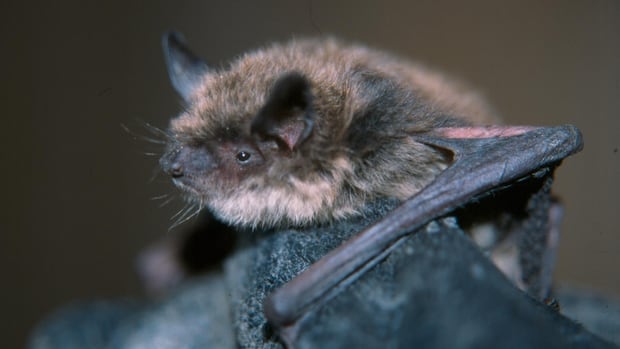
Bat tests positive for rabies in Chatham-Kent, prompting warning from health unit
CBC
Public Health officials in Chatham-Kent are warning people to avoid wild, aggressive or stray animals after a bat tested positive for rabies.
They are also urging people to take other measures to protect themselves, their families and their pets.
"Rabies remains nearly 100 per cent fatal once clinical symptoms develop, and without immediate medical intervention following an exposure, the outcome is almost always tragic," said Dr. Shanker Nesathurai, acting medical officer of health for Chatham-Kent, in a news release.
"That's why prompt reporting of any bite or scratch and timely post-exposure treatment is extremely important."
Rabies is a viral disease that infects the central nervous system of mammals, including humans. It is transmitted through the saliva of infected animals, most often via bites or scratches.
It's common for bats to be infected with rabies, so the positive test in Chatham-Kent is "concerning but not unexpected," CK Public Health said in the release.
Other animals that can spread rabies include raccoons, skunks, foxes, coyotes, dogs and cats.
Human rabies cases in Canada are rare, but any exposure to a rabid animal carries a serious risk, the health unit said.
It urged people to take the following steps to protect themselves and their loved ones and pets.
Officials advise anyone that has had contact with a bat or has been bitten or scratched by an animal to seek medical attention immediately report the exposure promptly to CK Public Health.


One of two pilots killed in a plane crash at New York's LaGuardia Airport Sunday earned his wings at an Ontario college, CBC News has learned.

Air Canada passengers who were aboard Flight 8646 when the CRJ-900 aircraft struck a fire truck upon landing at New York's LaGuardia Airport on Sunday evening say the collision was sudden and forceful, and they may owe their lives to the pilots who died in the incident.

Cardiac services are set to expand at a Winnipeg hospital once regarded as one of the best in Canada for heart care.

A 26-second TikTok video has ignited a larger conversation about vulnerable populations, theft and content creation.

Some family doctors and emergency room physicians working in Edmonton hospitals warn that an April 1 end to stipend pay arrangements could put patient care at risk and increase suffering.

An Auditor General of Canada report has found that B.C. saw drastically fewer international students than was forecast ever since wide-ranging federal immigration cuts began in 2024.

Six years after e-learning became a mandatory requirement to get an Ontario high school diploma, students don't appear to be taking online school to diversify their course selection as the province had intended, according to a CBC News analysis of provincial enrolment data.

Sarnia City Council will hold a special meeting Tuesday morning to respond to social media comments made by Coun. Bill Dennis, who criticized city spending on a new mural by Indigenous artist Kennady Osborne as “virtue signalling by woke politicians” — then made a series of comments in response to a reply from Aamjiwnaang Chief Janelle Nahmabin that some have characterized as unprofessional and aggressive.

While many Albertans continue to feel the pinch at the pump, Premier Danielle Smith says the government is not considering any fuel tax breaks, as it does not believe it will make much of a difference.

WARNING: This story contains disturbing details about gruesome deaths and sexual abuse.

Waterloo Regional Police Service (WRPS) says they will take part in the federal government's buyback program for assault-style rifles this year, but a local member of parliament says she "can't get behind this decision."

The use of American contracts and services is down by nearly half on Prince Edward Island following tariffs and shaky trade relations under the Donald Trump administration.

The first set of deadlines included in the energy and climate deal struck between Prime Minister Mark Carney and Alberta Premier Danielle Smith are not expected to be met, showing early challenges with the agreement that includes pursuing a new export pipeline from Alberta to the West Coast.