As multilateralism erodes, India must reframe its foreign policy Premium
The Hindu
Multilateral structures and international institutions are withering away as power politics and transactional relationships reshape the new world order
Speaking in the Rajya Sabha, Prime Minister Narendra Modi formally acknowledged the new world order. The hard part is to formulate a new national identity and approach to international relations.
India’s leadership of the Global South at the United Nations General Assembly was the foundation of its long-standing foreign policy of ‘strategic autonomy’. The global rules agreed in the UN established by former colonial powers led by the U.S. served their interests in the post-colonial world. India’s Oxbridge-educated diplomats had unquestioned leadership in the UN negotiating text on principles and rules, successfully diverting pressure on poor countries. Climate negotiations ending in 1992 were left entirely to India by the Global South.
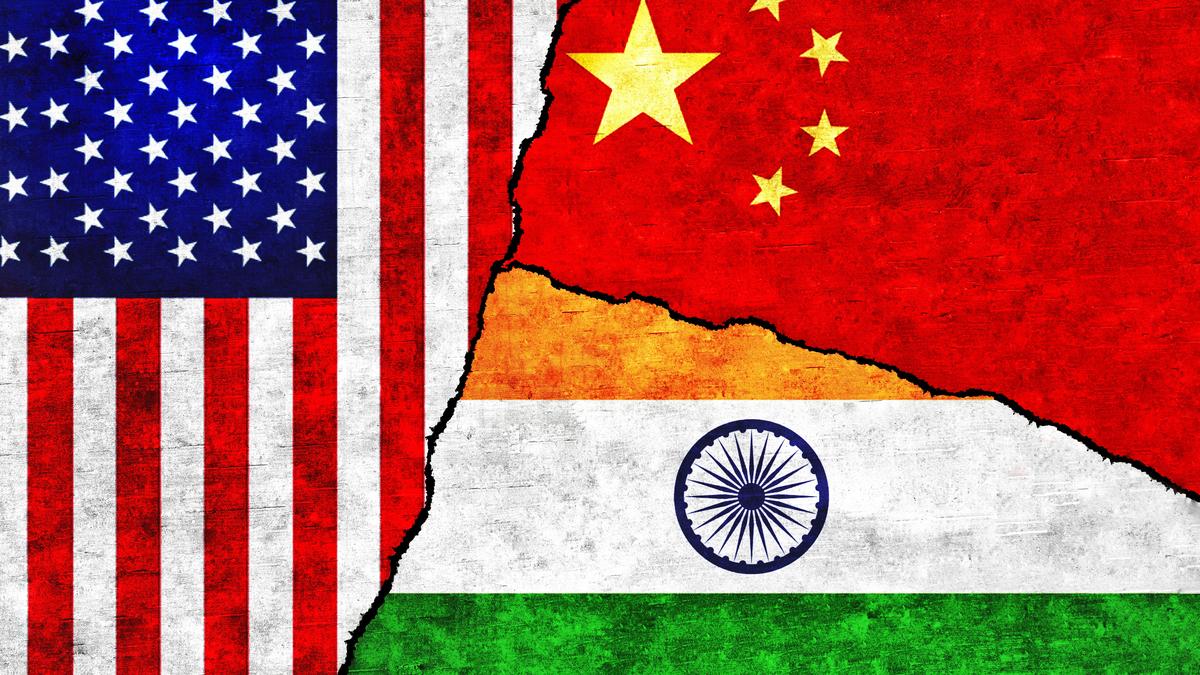
However, China’s rise around 2010, through the creation of alternative funding, economic and security institutions, impacted the intellectual leadership position of India and also changed the UN irreversibly. China heads four principal UN agencies, and its aid volumes exceed those of the West. The U.S., now unable to manage the UN process, has withdrawn from 31 UN institutions.
In 1986, the U.S. launched the Uruguay Round of trade negotiations, leading to the World Trade Organization (WTO) in 1995, where developing countries’ interests became more differentiated, and India struggled to secure its interests. In a more equal world, since 2019, the U.S. has rejected the dispute settlement mechanism of the WTO, making it dysfunctional and reverting to unilateral tariffs. China, in contrast, has diversified its exports away from the U.S. and is now the largest trading partner of 120 countries.
The problem India faces is not from the rise of China. While the EU and Canada acknowledge the collapse of the multilateral structures, developing countries are wondering how to revive them. With the potential to become the world’s third-largest economy, India is particularly impacted in the U.S.-dominated world of transactional relationships, even willing to discard NATO.
First, leadership of the Global South gave India outsized influence and now where do you speak for developing countries when international institutions and law have withered away? The U.S. and China are competing for technological dominance, not votes in the UN.


PM Modi and President Murmu extend Eid-ul-Fitr greetings, promoting unity, harmony, and compassion for a progressive nation.

Security forces in Manipur seized 29 firearms and 50 IEDs during operations amid ongoing ethnic violence.

A data jam on March 28 by OpenCity will have participants studying how the Assembly constituencies in and around Chennai are faring on a set of parameters

Matheesha Pathirana will miss the start of IPL 2026, while Harshit Rana's participation remains uncertain for KKR.

Shashi Tharoor advocates for peace in the West Asia conflict, emphasizing the urgent need for de-escalation and international cooperation.

Assembly polls 2026: Follow updates from The Hindu on the upcoming elections in five States, on March 21, 2026

Maharashtra women's panel chief resigns amid controversy over ties to rape-accused godman, facing political pressure and public backlash.

India's Iran policy could be shaped by the evolving dynamics of the U.S.–Israel war

Will G. Sudhakaran's independent run disrupt the Left's stronghold in Ambalappuzha and reshape Kerala's political landscape?

The Hindu Morning Digest gives a select list of stories to start the day. Read the top news today on March 21, 2026

Manjeswaram gears up for a tightly contested Kerala Assembly election in 2026, featuring key candidates from UDF, NDA, and LDF.

Thirty-three detained Bangladeshi nationals from Tamil Nadu are being deported to Bangladesh via West Bengal with police escort.

Tree felling for a flyover and underpass on the Manikonda-Hitech City stretch sparks outrage as Hyderabad’s road expansion drives another green loss.