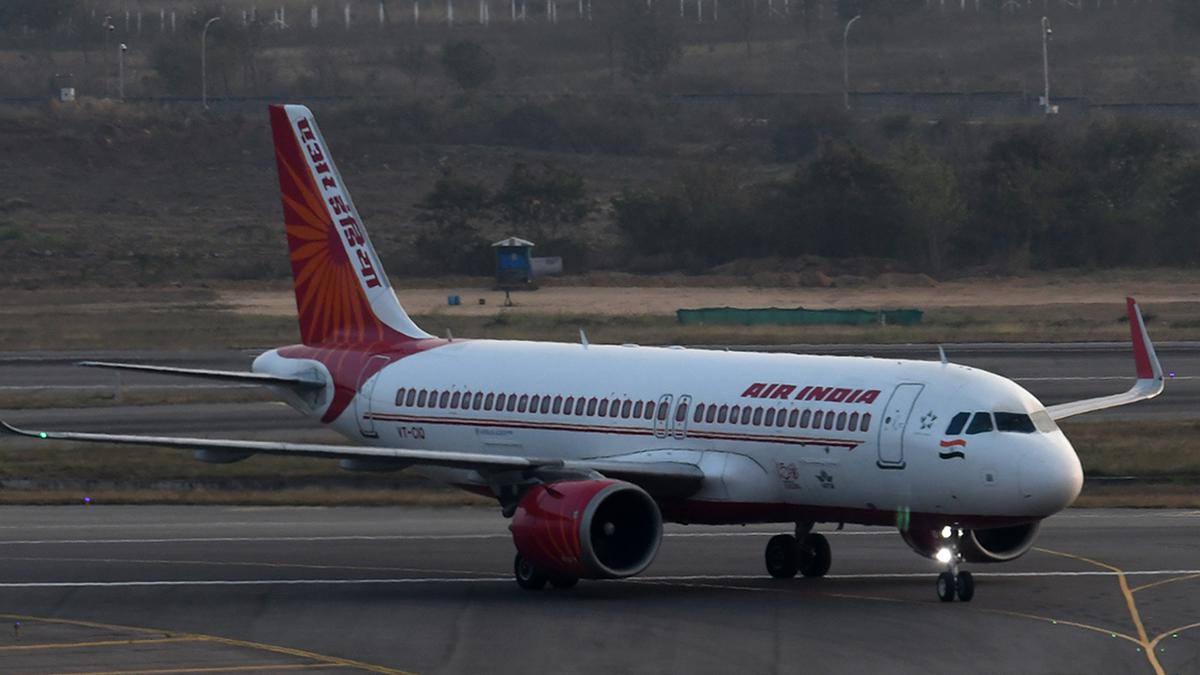
Air India pilots allowed to fly 2 aircraft types
The Hindu
The airline has welcomed DGCA nod to draw pilots from a common pool for Boeing 777 and 787 jets, but safety experts have underlined the need to exercise utmost caution while permitting flexibility in crew utilisation and demanded strict and third-party oversight on the exercise
Acceding to a long-pending demand from Air India to allow it to use a common pool of pilots for different aircraft types, the Directorate General of Civil Aviation (DGCA) has allowed a small batch of its cockpit crew to interchange between Boeing 777 and 787 aircraft on a trial basis to enable the airline to use its crew optimally at a time of a widening shortage of pilots.
The pilot fraternity and safety experts have, however, underlined the need to exercise utmost caution while permitting flexibility in crew utilisation, and demanded strict and third-party oversight on the exercise.
In a letter to Air India on March 3, aviation regulator DGCA allowed mixed fleet trial operations, identifying eight pilot examiners (those who certify other pilots) to be part of the phase 1 of the trial. The pilots, some of whom fly Boeing 777s and others Boeing 787s, will undergo ground and simulator training for changeover from one type to the other. Following this, they will be able to fly a minimum of 150 hours on the new type, including a minimum of 10 landings.
“This exercise will enable us to collect empirical data and decide the future course of action on scaling up the trial,” said a senior DGCA official on the condition of anonymity. The official added that 16 countries around the world allow interchangeability of pilots, but they too have done so in a phased manner. “The demand has been there for quite sometime, but such a decision involves extensive due diligence which is why it took time,” the official added.
In an internal message to Air India employees, the airline’s CEO Campbell Wilson welcomed the decision as it would enable “captains on both fleets to operate either type, expanding their experience, professional development, variety and operating scope, as well as according the company more resilience and flexibility.” He said that the decision would make Air India the first and only airline in India to have this approval.
Last month, Air India announced an order of 470 aircraft from Airbus and Boeing, which includes 20 Boeing 787s and 10 Boeing 777-9s. This means the airline now requires “7,000-8,000” pilots in the next 10 years which some within the airline describe as a “nightmare” situation given that the airline has seen some cancellations on long-haul flights to the U.S. due to existing crew shortage. The airline’s CEO acknowledged this and said that efforts to restore aircraft in disrepair had led to a mismatch.
Mohan Ranganathan, aviation safety expert and former instructor pilot of Boeing 737, has called for the need to exercise caution. “An airline’s commercial interests should not drive regulatory decisions,” he told The Hindu.


Equity analysts downgrade earnings forecasts for oil marketing companies, citing rising costs and market pressures for fiscal 2027.

Plastic product prices may surge by 50-60% in April due to rising polymer costs amid ongoing geopolitical tensions.

Centre offers 10% more LPG to States that accelerate piped gas rollout amid ongoing supply challenges and increased consumer demand.

Indian-flagged vessels in the Strait of Hormuz carry 2 lakh MT LNG and 16.7 lakh MT crude, amidst geopolitical tensions.

Stock markets continue to rise for the third day as Sensex and Nifty gain nearly 1%, fueled by IT stocks.

Rising oil prices and LPG shortages are driving India's shift to electric cooking, offering cost-effective and energy-efficient alternatives.

The rupee fell to a record low of 92.63 against the dollar, while equities surged with Sensex up 633.29 points.

Alibaba is sharpening its artificial intelligence strategy by focusing on agents that connect the many businesses under its sprawling corporate umbrella.

India's semiconductor market is set to reach $300 billion by 2035, driven by local production and growing technology demands.

Iran continues to export millions of barrels of oil amid war, with 90 ships crossing the Strait of Hormuz despite sanctions.

Amazon CEO Andy Jassy said during an internal all-hands meeting he expects artificial intelligence could help cloud computing unit Amazon Web Services achieve $600 billion in annual sales, double his own prior estimate.

Government mandates airlines to allocate 60% of seats free, enhancing passenger rights and convenience across Indian aviation.

Microsoft is weighing legal action against Amazon and OpenAI over a $50 billion deal, the Financial Times reported