AI reshaping jobs, but human skills remain key, says expert
The Peninsula
Doha, Qatar: Artificial intelligence is rapidly reshaping the modern workplace, driving both unprecedented efficiency and complex challenges, accordin...
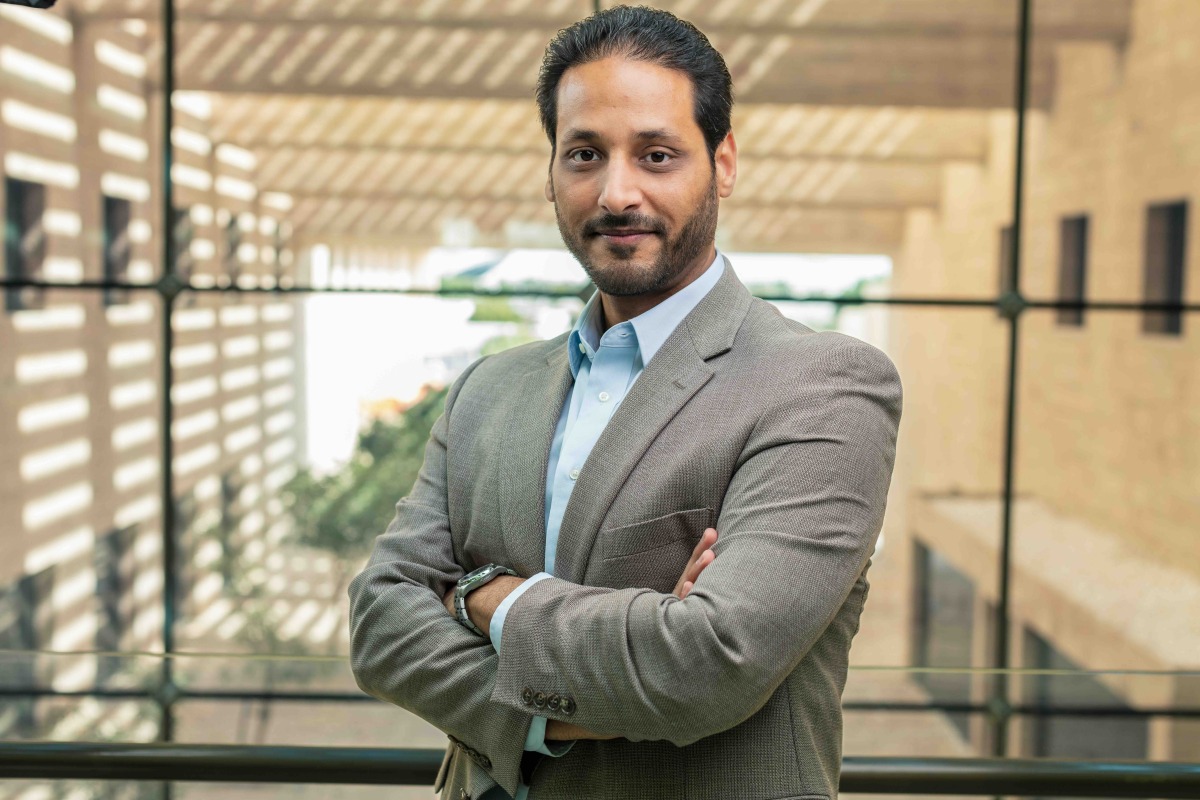
Doha, Qatar: Artificial intelligence is rapidly reshaping the modern workplace, driving both unprecedented efficiency and complex challenges, according to Senior Associate Dean for Faculty and Teaching Professor of Computer Science at Carnegie Mellon University in Qatar (CMU-Q), a member of Qatar Foundation, Dr. Khaled Harras.
Speaking to The Peninsula, Dr. Harras highlighted that AI’s impact on work is already being felt across two major dimensions. “First, AI provides much more effective access to distilled information and data,” he said, explaining that unlike the traditional web, AI systems can process and tailor knowledge into specific outputs based on user prompts.
“Second, it creates a massive gain in efficiency for mundane human activities summarising emails, drafting slides, coding, and media production.”
This shift, he noted, is lowering the barrier to entry for many tasks and accelerating how quickly individuals can move through entry-level work.
However, Dr. Harras acknowledged that concerns about job displacement are not unfounded. “The reality is that some of that fear is justified because many jobs will indeed be replaced,” he said. Yet, he stressed that the deeper issue lies in workforce readiness. “Our current workforce isn’t fully equipped to integrate this rapidly evolving AI ecosystem to become more effective.”


Doha, Qatar: QNB Group, a leading financial institution in the Middle East and Africa, has published its Sustainability Report 2025, detailing the Gro...

Doha, Qatar: The Asian Football Confederation (AFC) yesterday confirmed that all remaining knockout matches in its club competitions across the West R...

Doha, Qatar: Advisor to Prime Minister and Official Spokesperson for the Ministry of Foreign Affairs Dr. Majed bin Mohammed Al Ansari has said Qatar i...

Geneva: The United Nations Human Rights Council (UNHRC) will hold an urgent debate today on Iran s military attacks against Qatar, Bahrain, Kuwait, Om...

Doha, Qatar: Weather inshore until 6pm on Wednesday will be hazy and partly cloudy to cloudy at times with a chance of scattered rain, maybe thundery...

Doha, Qatar: Weather inshore until 6pm on Wednesday will be hazy and partly cloudy to cloudy at times with a chance of scattered rain, maybe thundery...

Doha, Qatar: The Amir HH Sheikh Tamim bin Hamad Al Thani received a phone call on Tuesday from the President of the Republic of Turkiye HE Recep Tayyi...

Doha, Qatar: The Amir HH Sheikh Tamim bin Hamad Al Thani received a phone call on Tuesday from the President of the Republic of Turkiye HE Recep Tayyi...

Doha, Qatar: The US president says that negotiations with Iran to end the war are under way right now , claiming Tehran wants to make a deal so badl...

Doha, Qatar: The Minister of National Defense of the Republic of Turkey, HE Yaşar G ler received Ambassador of the State of Qatar to the Republic of T...

London: MohamedSalahis to leave Liverpool at the end of this season, the Premier League champions announced Tuesday ending an illustrious nine years...

Doha, Qatar: Kuwait s Ministry of Electricity said on Tuesday that four out of seven electricity transmission lines affected by falling debris from in...

Doha, Qatar: The Amir HH Sheikh Tamim bin Hamad Al Thani, received a telephone call Tuesday from the Prime Minister of the Hellenic Republic, HE Kyria...