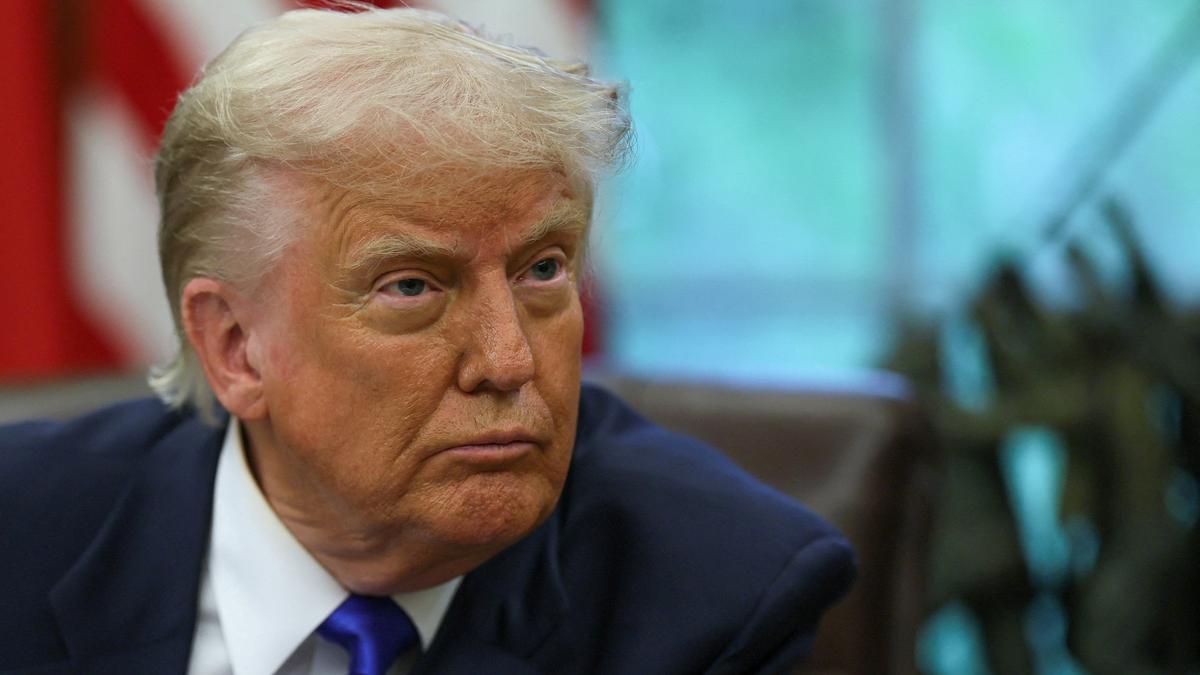
15 U.S. States sue over Trump’s move to fast-track oil and gas projects via ’energy emergency’ order
The Hindu
15 States sue Trump administration over fast-tracking energy projects, bypassing environmental laws, threatening endangered species, habitat, and resources.
A coalition of 15 States in the U.S. is suing over President Donald Trump's efforts to fast-track energy-related projects, saying the administration is bypassing environmental protection laws and threatening endangered species, critical habitat and cultural resources.
Mr. Trump issued an executive order declaring a “national energy emergency ” on the first day of his presidency. The order urges oil and gas expansion through federal use of eminent domain and the Defence Production Act, which allows the government to use private land and resources to produce goods deemed to be a national necessity.
Those kinds of steps are supposed to be reserved for actual emergencies, such as projects needed in the aftermath of disasters like hurricanes, flooding or major oil spills, the attorneys general wrote in the lawsuit filed in Washington State on Friday (May 9, 2025).
But now, Washington State Attorney General Nick Brown and the other plaintiffs said, agencies like the U.S. Army Corps of Engineers and the Department of Interior bypass required reviews under federal laws like the Clean Water Act and the Endangered Species Act.
“The President of the United States has the authority to determine what is a national emergency, not state attorneys or the courts,” White House spokeswoman Taylor Rogers wrote in an email. “President Trump recognises that unleashing American energy is crucial to both our economic and national security.”
The attorneys general said reliable and affordable electricity is of critical importance to the nation, but noted that U.S. energy production is already at an all-time high.
“The Executive Order is unlawful, and its commands that federal agencies disregard the law and in many cases their own regulations to fast-track extensive categories of activities will result in damage to waters, wetlands, critical habitat, historic and cultural resources, endangered species, and the people and wildlife that rely on these precious resources,” they wrote in the lawsuit.


Indian vessels can freely sail through the Strait of Hormuz without needing permission, confirms a senior government official.

The Hindu Morning Digest gives a select list of stories to start the day. Read the top news today on March 25, 2026

An IndiGo flight at Vijayawada airport was grounded due to a tyre burst, but all 79 occupants are safe.

Tamil Nadu Assembly election 2026: TMC(M) gets five seats in NDA, to contest on BJP's 'Lotus' symbol
TMC(M) secures five NDA seats, to contest Assembly elections using BJP's 'Lotus' symbol in Tamil Nadu.

The Karnataka government will discuss with officials the possibility of creating a portal for unemployed youth to share their details and access job opportunities in micro, small and medium enterprises (MSMEs), Minister for Small Industries and Public Enterprises Sharanabasappa Darshanapur said in the Legislative Council on Tuesday.

AIADMK's 2026 manifesto promises free rations, women's benefits, education reforms, and economic growth initiatives for Tamil Nadu.

U.S.-Israel war on Iran LIVE: Follow The Hindu for updates on the West Asia conflict on March 24, 2026

Join the 'Click & Commit' campaign on World TB Day, uniting Chennai's community to pledge against tuberculosis.

Brahmin candidates join Naam Tamilar Katchi, marking a significant shift in Tamil Nadu's political landscape and inclusivity.

Over 750 wheelchairs are prepared in Thoothukudi for accessible voting, ensuring convenience for differently abled and elderly voters.

Madras HC dismisses S.P. Velumani's petition challenging I-T assessment of ₹7 crore as unexplained election expenses from 2016.

The Lok Sabha passes a contentious Transgender Bill, sparking praise from the government and criticism from opposition parties.

Kamal Haasan announces support for DMK in 2026 elections, emphasizing the need for 'Dravidian Model 2.0' for Tamil Nadu's welfare.