Zambia find shows humans have built with wood for 476,000 years
The Hindu
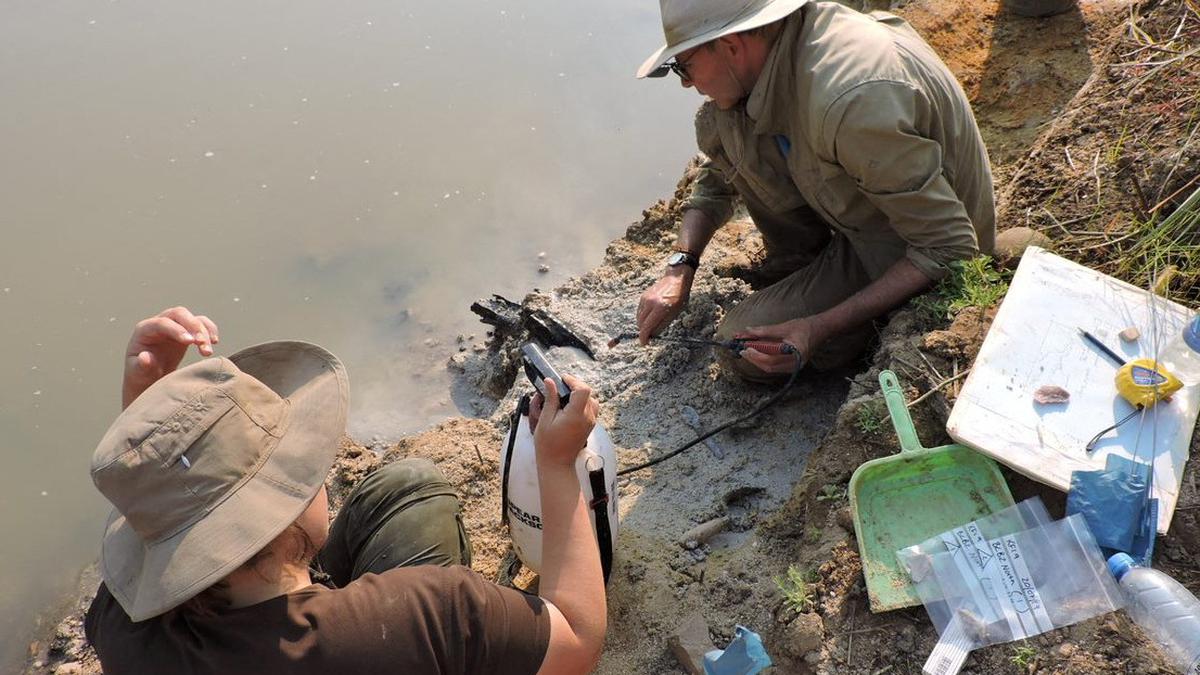
Archaeologists have excavated two logs of the large-fruited bushwillow tree that were notched, shaped and joined nearly half a million years ago along the banks of Kalambo river, zambia
Along the banks of the Kalambo River in Zambia near Africa's second-highest waterfall, archaeologists have excavated two logs of the large-fruited bushwillow tree that were notched, shaped and joined nearly half a million years ago.
These artifacts, researchers said on Wednesday, represent the oldest-known example of humans - in this case a species that preceded our own - building wooden structures, a milestone in technological achievement that indicates that our forerunners displayed more ingenuity than previously thought.
The logs, modified using stone tools, appear to have been part of a framework for a structure, a conclusion that contradicts the notion humans at that time simply roamed the landscape hunting and gathering resources.
"The framework could have supported a walkway or platform raised above the seasonally wet surroundings. A platform could have multiple purposes including storage of firewood, tools, food and as a foundation on which to place a hut," said archaeologist Larry Barham of the University of Liverpool in England, lead author of the study published in the journal Nature.
Also Read | Newly discovered stone tools drag dawn of Greek archaeology back by a quarter-million years
"Not only did the working of trees require considerable skill, the right tools and planning, the effort involved suggests that the makers were staying in the location for extended periods whereas we have always had a model of Stone Age people as nomadic," Barham added.
The rarity of wood preservation at early archaeological sites - it is perishable over time - means scientists have little understanding of how early humans used it.


Explore 2026's wallpaper trends in India, highlighting botanicals and handmade designs that enhance modern homes with nature-inspired aesthetics.

Mercedes-Benz CLA 250+ with EQ Technology review: design, performance, range and features explained. Discover how the new electric CLA combines advanced AI, long range, fast charging and futuristic styling for the next generation of luxury EVs.

AI tool for sparrow conservation

BTS’s comeback with ‘Arirang’ marks a major global music event. When does the album release, and where can you watch their concert live stream? We have all the details

The 2026 U.S. cholesterol guidelines urge starting screening and treatment at 30 to prevent cardiovascular disease effectively.

Olam Festival 2026 in Thiruvananthapuram returns March 27-29 with 120+ vendors, music, art, and cultural zones.

A few storytellers in Thiruvananthapuram share their journeys, challenges, and evolving methods on World Storytelling Day, inspiring young minds.

76-year-old Kurian Jacob from Kerala triumphs with seven medals, including five golds, at the Open Masters Games in Abu Dhabi.

Explore the nature of the human mind as an emergent property of brain activity and complex neural interactions.

CERN's Large Hadron Collider discovers the Xi-cc-plus particle, enhancing understanding of quantum mechanics and baryon behavior.

Vibha Batra’s latest book, Spotless (Hachette India) is a novel in verse for young adults

In its first edition, the Madras Art Salon spotlights the works of journalist and artist Narayan Lakshman at The Botanical Club, a social space in the British Deputy High Commission, Chennai

Cholesterol enhances melanoma cell invasion by making nuclei squishier, revealing a potential treatment target in cancer progression.