Young Cubans turn to church and state as cheap, synthetic drugs flood the streets
ABC News
Cuba is grappling with a fast-growing wave of synthetic drug use that is hitting young people hard
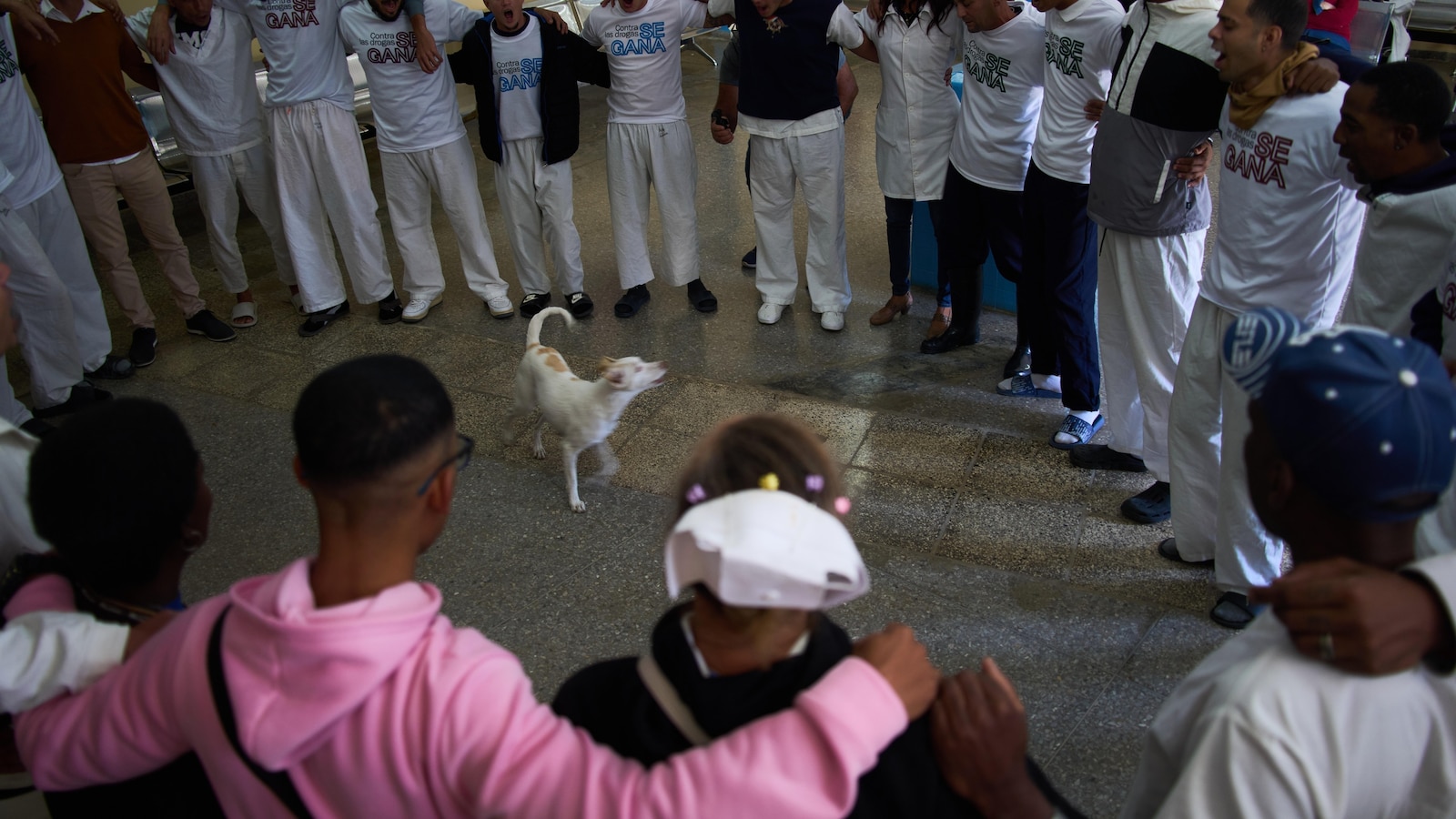
HAVANA -- Several dozen people stood in circle in a room at a Havana psychiatric hospital, their hands held together as they chanted in unison, vowing to rid their bodies from “the toxins that enslave.” The collective plea to reclaim their freedom for just the next 24 hours was the first step of a 90-day detoxification before beginning rehabilitation.
Drug use was an almost-unknown phenomenon in Cuba until the beginning of this decade. However, a deepening economic crisis, shortages of basic goods and the emergence of low-cost synthetic drugs have combined to transform the landscape.
In Havana and other cities across the island, it is no longer unusual to see young people in public parks sleeping, walking with difficulty or lying unconscious.
According to authorities, the primary threat is the “químico,” (chemical) — a potent cocktail of synthetic cannabinoids and hazardous additives. Also known on the streets as “papelitos,” or "little papers,” the drug is absorbed into sheets of paper that are sliced into tiny doses and smoked. At roughly 250 Cuban pesos per hit (50 cents), it costs less than a basic loaf of bread or a can of soda.
“It’s very cheap...and it’s everywhere,” said David Morales, 25, who is in recovery after receiving help at government-funded health centers and is now in rehabilitation therapy at the Alcance Victoria Cuba evangelical Baptist church.


Pope Leo XIV has urged a ceasefire in the Middle East and called on leaders in the Iran war to reopen talks

Ukrainian President Volodymyr Zelenskyy says he is ready for the next trilateral peace talks with the U.S. and Russia, but the meeting depends on Washington and Moscow

Yemen’s Iran-backed Houthi rebels are staying on the sidelines as the Iran war expands

Taiwan is seeing a surge of Chinese military planes near the island after a sharp drop in flights over the past two weeks had sparked discussions among observers

French voters are heading to the polls to choose new municipal teams in an early test for political parties before next year’s presidential elections

Kazakhs are voting Sunday in a referendum on a new constitution that analysts say could allow President Kassym-Jomart Tokayev to extend his hold on power beyond his current term

North Korea says leader Kim Jong Un has observed a live-fire test of multiple rocket launch systems to examine the country’s war deterrence

Thousands of people have protested in Italy against wars in the Middle East and proposed judicial reforms by Italian Prime Minister Giorgia Meloni

The United States flag has been raised over its embassy in Caracas for the first time since 2019

A hospital in the capital, Brasilia, says former Brazilian President Jair Bolsonaro's kidney function has worsened at the intensive care unit to which he was transferred hours earlier

Pope Leo XIV is moving into the newly renovated papal apartment in the Apostolic Palace

A group of residents of a city in central Cuba have taken to the streets and partially destroyed the local headquarters of the ruling communist party

Prominent Belarus opposition figure Maria Kolesnikova has picked up a prize for contributions to European unity that she was unable to collect while in prison in her homeland four years ago