Why Trump’s ‘gold card’ proposal is more complicated than it sounds
CNN
Immigration law experts say the “gold card” proposal is far more complicated and uncertain than President Donald Trump and Commerce Secretary Howard Lutnick made it sound last week.
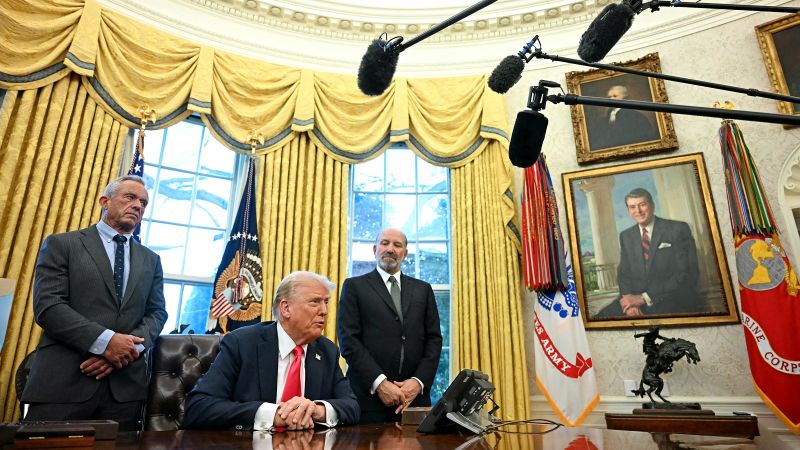
The Oval Office announcement caught many immigration experts by surprise. Last week the president known for touting his mass deportation plans floated a new way he wants to draw wealthy foreigners to the US: a “gold card” that offers investors a path to US citizenship for $5 million. “I think it’s going to be very treasured. I think it’s going to do very well. And we’re going to start selling, hopefully, in about two weeks,” President Donald Trump said on Wednesday. Commerce Secretary Howard Lutnick said the plan could raise $1 trillion to pay down the national debt, and that it would replace the existing EB-5 investor visa. But immigration law experts say the “gold card” proposal is far more complicated and uncertain than Trump and Lutnick made it sound. Here are several reasons why: The gold card Trump described would be a new visa granting lawful permanent resident status in the US and a pathway to citizenship. But a president alone can’t create a pathway to citizenship – a fact that’s also foiled Trump’s predecessors’ desires for significant immigration reforms.


For months, Israeli and American intelligence agencies — including the CIA — had been secretly watching Iran’s Ayatollah Ali Khamenei for just the right moment.

At least three people were killed, including the suspected gunman, and 14 others were wounded when gunfire erupted around 2 a.m. CT Sunday in Austin’s bustling entertainment district as bars were closing, authorities said. Police responded to reports of a shooting at a popular bar and fatally shot the suspect.

Despite the constant spotlight on Tucson, Arizona, there are still far more questions than answers about what happened to the 84-year-old mother of “Today” anchor Savannah Guthrie.

Sen. John Cornyn stood before TV cameras in Houston recently and issued a warning to Ken Paxton, the man threatening to take the seat he’s held for nearly two dozen years: Things were about to get a whole lot uglier.

Ellie Aghayeva had documented an intensive, 10-hour study session in the Columbia University library Wednesday night, sharing with her sizeable social media following how she prepares for an exam and conducts research.

Top Capitol Hill Democrats, and a small number of Republicans, watched in alarm Saturday as the administration launched a major US assault on Iran, decrying President Donald Trump’s call for the overthrow of another foreign government without their expressed approval.

Cuba’s forces fatally shot four people, one of whom was a US citizen, on a Florida-registered speedboat that was trying to enter Cuban waters Wednesday and “infiltrate” the island, authorities said.