Why some farmers are turning old grain bins into guest houses
CBC
Some Alberta ranchers hope that branching into tourism will help shore up their family farms to last another generation — though the accommodations might seem a little quirky.
When Breanna Morrison bought five old grain bins for her ranch in Southern Alberta, she had no intention to ever use them to store grain or any other crop.
She purchased them sight unseen through an online auction and to begin a side project of transforming each of the two-storey metal bins into hotel rooms.
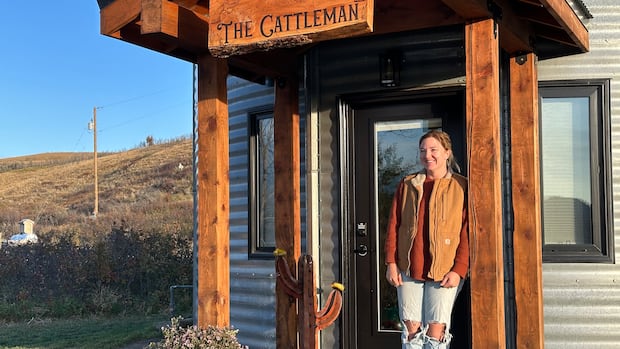
Saddle Hill Ranch Cabins opened in July with the bins sitting in a valley overlooking the Castle River on Morrison’s ranch near Pincher Creek in southwest Alberta. Each unit has a name, including “The Cattleman,” “The Trail Boss” and “The Wrangler.”
If you’ve watched Yellowstone and dreamed of staying on a farm with cows, the converted grain bins can provide a taste of Canada’s prairie life.
With two beds and one bathroom, they cost about $300 per night. They were booked pretty much all summer long, according to Morrison.
"It's been the best we could ask for, just starting up and opening, how fast the word spread and how busy we've stayed so far,” said Morrison, who came up with the idea while seeing converted grain bins while travelling the United States as a rodeo competitor.
Converting old grain bins into guest houses had its challenges, including gaining permits from the rural municipality for the unorthodox venture
For Morrison, the project took multiple years of planning and then construction. (she only had one child when she began the venture.) Installing windows, doors and interior walls was tricky because of the round metal walls. Plumbing, heating and electrical work were necessary, in addition to having the proper utilities and services installed at the relatively remote location of grazing land.
The whole project is aimed at helping diversify the income of the ranch and helping to ensure her children will be interested and able to eventually take over the farm. Morrison and her husband now have three kids under the age of four, including a baby born this summer.
The issue of succession has never been more pressing in the country as farmers get older and the number of family farms dwindles.
Morrison is a third-generation rancher, and says she wants her kids to eventually take over the family farm. "That's been really, really important to me," she said.
“They might have more ideas for this place and want to continue it and make it their own, too, and grow on it. And I hope that that can come with the legacy of this ranch, too,” said Morrison, who works in agricultural banking, in addition to having horses and cattle on the farm.
By 2033, 60 per cent of farmers will be over age 65, representing one of the largest leadership transitions in the country’s history, according to RBC Economics.
