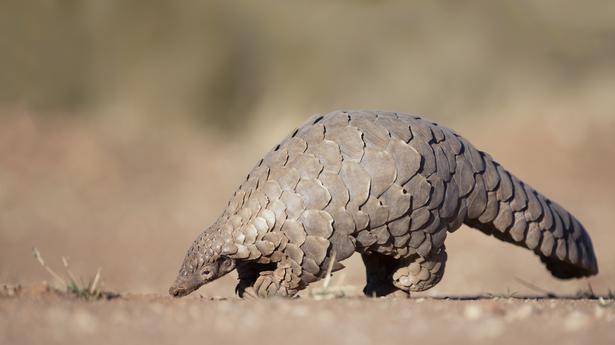
Why pangolins may not be the intermediate host
The Hindu
Pangolin coronavirus produced moderate disease in hamsters and was less virulent
The origin debate on novel coronavirus (SARS-CoV-2) is yet to be settled. Most indications suggest that the virus jumped across the species barrier from bats to humans either directly or through an intermediate host. There is another view that the virus might have escaped or leaked from the Wuhan Institute of Virology lab.
Such lab leaks had indeed happened in the past. In 2004, two researchers in a virology lab in Beijing working on the 2002 SARS virus were independently infected. The virus was transmitted to seven people in all but the outbreak was contained soon enough. A section of scientists and others believe that the SARS-CoV-2 virus might have followed the same course but went on to cause the pandemic.
While irrefutable evidence in support of a natural origin is lacking as scientists have so far not been able to identify bats harbouring viruses very similar to the novel coronavirus to establish that the virus had indeed jumped directly from bats to humans. Nor have they been able to conclusively identify the intermediate host from where the virus jumped to humans and began spreading among people.
While the SARS-CoV-2 virus is quite similar to the RATG13 coronavirus found in horseshoe bats, the genome of the two viruses have only 96% similarity. So the virus, if it had jumped from bats to humans, is yet to be identified in bats. Pangolin has been suggested as a potential intermediate host that could have harboured the coronavirus before it made the giant leap to spread among humans. Many studies have found similarity between the coronavirus in pangolin and SARS-CoV-2 virus in terms of genome sequences. A study published recently in the journal iScience evaluated the biological characteristics of the pangolin coronavirus. The researchers from the Beijing University of Chemical Technology studied the pathogenicity and transmissibility of pangolin coronavirus by infecting Syrian golden hamsters and compared it with hamsters infected with SARS-CoV-2.
They found that the pangolin coronavirus was not only able to effectively infect hamsters but also cause the similar kind of responses in tissues as the novel coronavirus. Though both viruses seem to have the same affinity for the receptors, the pangolin coronavirus was able to efficiently replicate in the respiratory system and brain, much like the SARS-CoV-2. However, the scientists were not able to find infectious pangolin coronavirus in organs other than the respiratory system and brain, which is different from hamsters infected by SARS-CoV-2 virus.
Hamsters infected with pangolin coronavirus did not suffer substantial loss of body, while hamsters infected with SARS-CoV-2 did show a slight reduction in body weight in the first five days of infection and then regained weight.
Alveolar wall thickening of lungs of hamsters infected with pangolin coronavirus was “widespread” whereas the alveolar wall thickening in hamsters infected with SARS-CoV-2 was severe. There were other differences in pathogenesis too. In all, pangolin coronavirus produced moderate disease in hamsters and was less virulent than SARS-CoV-2.


Discover the Minor Planet Centre, the key hub for tracking and verifying observations of small solar system bodies.

Discover the Minor Planet Centre, the key hub for tracking and verifying observations of small solar system bodies.

In this week's Science for All newsletter, XX explains

Test your knowledge with the quiz on Science films at the Oscars through history

Set between the Siwalik hills and the plains, Butwal offers travellers a mix of regional cuisine, pilgrimage trails to Lumbini and the comfort of Hyatt’s new hospitality landmark

Explore 2026's wallpaper trends in India, highlighting botanicals and handmade designs that enhance modern homes with nature-inspired aesthetics.

Mercedes-Benz CLA 250+ with EQ Technology review: design, performance, range and features explained. Discover how the new electric CLA combines advanced AI, long range, fast charging and futuristic styling for the next generation of luxury EVs.

AI tool for sparrow conservation

BTS’s comeback with ‘Arirang’ marks a major global music event. When does the album release, and where can you watch their concert live stream? We have all the details

The 2026 U.S. cholesterol guidelines urge starting screening and treatment at 30 to prevent cardiovascular disease effectively.

Olam Festival 2026 in Thiruvananthapuram returns March 27-29 with 120+ vendors, music, art, and cultural zones.

A few storytellers in Thiruvananthapuram share their journeys, challenges, and evolving methods on World Storytelling Day, inspiring young minds.

76-year-old Kurian Jacob from Kerala triumphs with seven medals, including five golds, at the Open Masters Games in Abu Dhabi.