Why It Matters | Antibiotic-resistant bacteria found in Sunderban sediments Premium
The Hindu
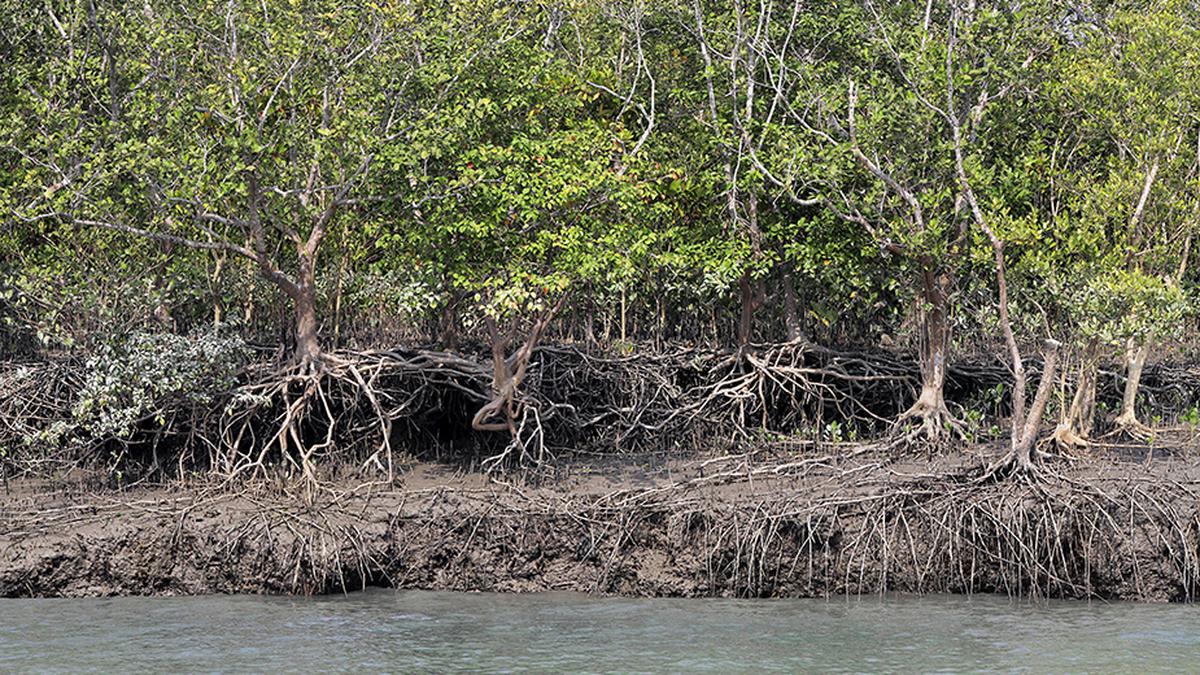
The bacteria found in sunderban sediments are developing antibiotic-resistant genes (ARG) due to the constant dumping of waste and pollutants
What are the facts: Bacteria found in the sediments of the Sunderban delta region can withstand antibiotics, a new study has shown. The bacteria are developing antibiotic-resistant genes (ARG) due to the constant dumping of waste and pollutants in the network of waterbodies. Researchers found bacteria such as Rhizobium, Marinobacter, Arthrobacter and Cycloclasticusn in the sample collected from five islands. These bacteria are adept at degrading heavy pollutants such as polycyclic aromatic hydrocarbons (PAHs). At least 42 ARGs were found at various levels in these bacteria where 17 resistance genes were enriched while 25 were depleted. The study also found the diversity of ARGs in the mangrove region of Sunderbans and Kerala to be much higher than that of China.
Explained | Genetics and its Mendelian inheritance
Explained | What is genome sequencing and why does the Genome India Project matter?


India pledges 60% non-fossil fuel power by 2035, targeting 47% emissions reduction per GDP unit and enhanced carbon sinks.

Supreme Court rules land acquisition compensation and interest must uphold constitutional guarantees, unaffected by financial burdens.

Election officials accept 23 nominations for Bagalkot bypolls, rejecting three, with polling scheduled for April 9.

Students and women’s self-help groups in Madurai engage in vibrant voter awareness campaigns promoting 100% voting participation.

Congress signals a "friendly fight" with allies in select Puducherry Assembly seats ahead of the April 9 elections.

Airstrike in western Anbar kills 7 Iraqi soldiers, injures 13, prompting condemnation for violating international laws on medical facilities.

Plaque unveiled in Bengaluru honors 11 victims of RCB stampede, emphasizing safety responsibility for future events.

India and the U.S. reaffirm commitment to enhance strategic defense cooperation at the 18th Defence Policy Group meeting in New Delhi.

Chhattisgarh's Deputy CM reports only 30-40 Maoists remain in Bastar, highlighting recent surrenders and future development plans.

Explore the historical and industrial significance of Ariyalur constituency, highlighting its challenges, agriculture, and political landscape.

Dindigul and Madurai Collectors conduct joint inspection

In this episode, Kalki Subramaniam speaks to us about why the Transgender Persons Amendment Bill has sparked protests, and how these amendments threaten to push a marginalised community back into the shadows.

India's EU FTA is poised to attract more German companies, boosting bilateral trade and investment opportunities.