Why India needs to clean its air
The Hindu
India's air pollution crisis, initiatives, challenges, and solutions analyzed by urban systems scientist Ajay S. Nagpure.
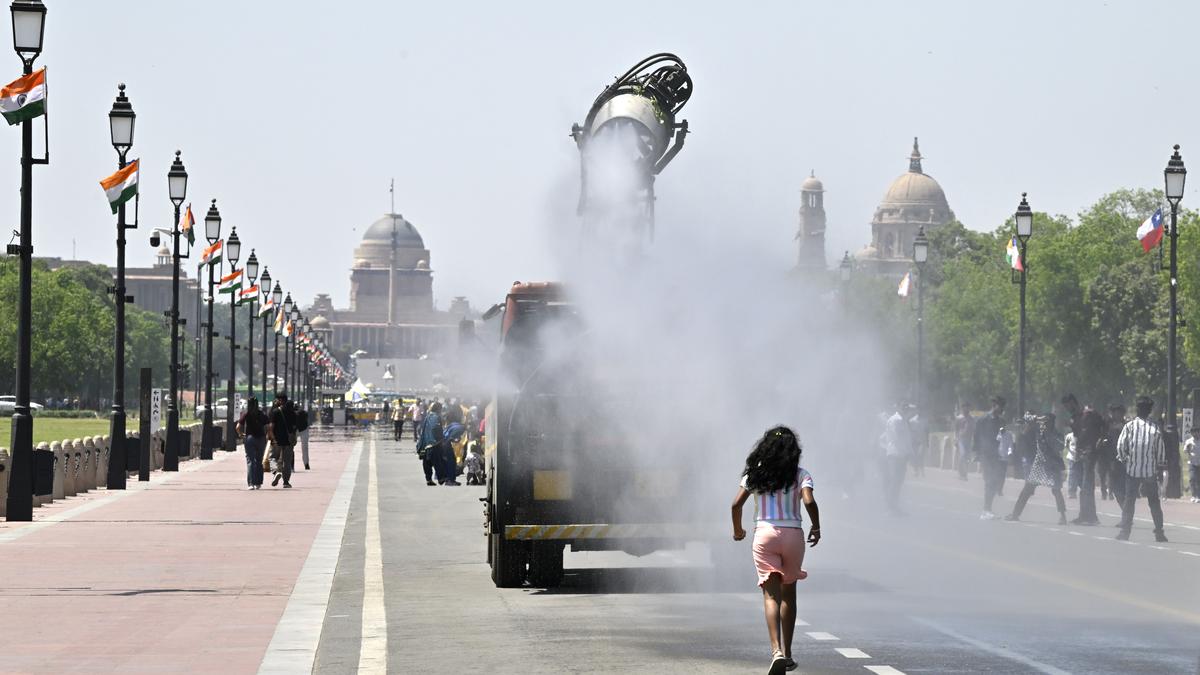
India’s air pollution crisis is not just a seasonal inconvenience. It’s a persistent, silent pandemic that chokes our lungs every winter and quietly lingers throughout the year. Hospitals overflow with respiratory cases, schools shut down, cities disappear under layers of smog, and Indian metros regularly top global pollution rankings.
Given the scale of this crisis, it’s worth asking: what is India actually doing to clean its air? While initiatives like the National Clean Air Programme (NCAP), Bharat VI, the Pradhan Mantri Ujjwala Yojana (PMUY), and targeted efforts to phase out coal-burning industries in the National Capital Region mark important progress, the national response remains fragmented and slow-moving. Without stronger alignment and faster implementation, transformative change may remain out of reach.
The challenge begins with how India understands air pollution. It’s often seen as a technical problem when in reality it’s a complex structural issue shaped by governance capacity, demographic pressure, socio-economic disparity, behavioural norms, and entrenched economic systems. Scientists play a vital role in diagnosing air quality — like physicians identifying symptoms — but lasting solutions depend on those working on the ground: municipal officers, planners, engineers, and community leaders. These actors operate within tight budgets, outdated infrastructure, and competing local demands. Strengthening their capacity and aligning mandates with air quality goals is essential for sustained change.
This complexity becomes especially relevant when considering India’s goal to reduce PM2.5 levels by 2026 to 40% of what it was in 2017. While ambitious and necessary, the target risks falling short if it isn’t mindful of on-ground realities. Consider transportation, for instance. It’s not enough to say “vehicles cause pollution.” We need to ask: what types of vehicles are on the road? What fuel do they use? How old are they? How far do they travel? How bad is traffic? Without this level of detail, it’s difficult to craft realistic, actionable plans for local governments. To turn national goals into real progress, we must connect them to the everyday activities that actually drive emissions.
While China is often called a success story, it came at a steep price — ₹22 lakh crore over five years for urban centres. India’s NCAP budget is less than 1% of that. However, if we include allied programs like PMUY (₹18,128 crore), the program for Faster Adoption and Manufacturing of Electric Vehicles in India or Fame II (₹10,795 crore), Swachh Bharat Mission-Urban (₹1.4 lakh crore), and NCAP itself (₹11,542 crore), a broader ecosystem of air quality financing becomes apparent. They target emission sources and deserve recognition as part of India’s clean air strategy.
The NCAP continues to struggle with how its funds are allocated and how progress is measured. It relies heavily on ambient air quality data, which is often affected by weather and geography, making short-term improvements hard to detect. For example, initiatives like PMUY and waste-burning controls have reduced emissions in several areas, but these gains may not reflect in pollution readings, creating a misleading sense of stagnation. Shifting to activity-based metrics — such as the number of stoves replaced or diesel buses retired — would offer a clearer picture of impact and strengthen accountability.
Realigning metrics alone isn’t enough. Local governments also need access to high-resolution, open-source data on emissions-generating activities: where waste is burned, which households use solid fuels, where construction is active, and which roads face the heaviest traffic. Without such data, air pollution remains an abstract issue, disconnected from daily governance. This data gap directly affects how NCAP funds are used. Between 2019 and 2023, only 60% of the funds released were utilised, reflecting not a lack of intent but institutional misalignment. Air quality continues to be treated as a parallel concern rather than a core municipal function.


India's EU FTA is poised to attract more German companies, boosting bilateral trade and investment opportunities.

“Judicial time is a valuable public resource. Every frivolous or misconceived invocation of constitutional jurisdiction results in diversion of time from genuinely deserving litigants,” said the Madurai Bench of the Madras High Court while imposing a cost of ₹50,000 on a man from Theni district who filed a petition with an unusual prayer: permission to conduct daily protests till the ‘World War’ ends.

The Mangaluru city police on Wednesday, arrested Pavan Acharya, 22, of Moodubelle village in Kaup Taluk in Udupi district, on the charge of posting inflammatory content on the social media.

Bengaluru corporations will present five separate budgets on March 27-28, focusing on infrastructure and community funding.

A humorous exchange in the Legislative Assembly highlights CM Siddaramaiah's choice of a Mysore silk shawl over a towel.

Karnataka's fiscal deficit is under control, better than neighboring states, says Chief Minister Siddaramaiah amid revenue challenges.

Capt. S. Divakar takes charge as MD and CEO of Dredging Corporation of India, following board approval for his appointment.

Nara Bhuvaneswari inaugurates a job mela in Kuppam, promoting job creation and welfare initiatives for local youth and women.

Walajah residents protest by hoisting black flags, threatening to boycott elections over poor civic amenities and infrastructure issues.

The Railway Ministry has decided to regularise the services of Surat-Mangaluru Junction-Surat bi-weekly Special Express along with nine other special trains.

Training held for zonal election officers in Thoothukudi

Defence Minister highlights BRO's vital role in enhancing border infrastructure, national security, and socio-economic growth in India.

Andhra University celebrates its 91st and 92nd convocations, honoring graduates and distinguished personalities for their contributions and achievements.