Why do gallstones affect women more; pregnancy is also a risk factor, say experts Premium
The Hindu
Discover why pregnancy increases gallstone risk in women, highlighting hormonal influences and dietary factors that contribute to this condition.
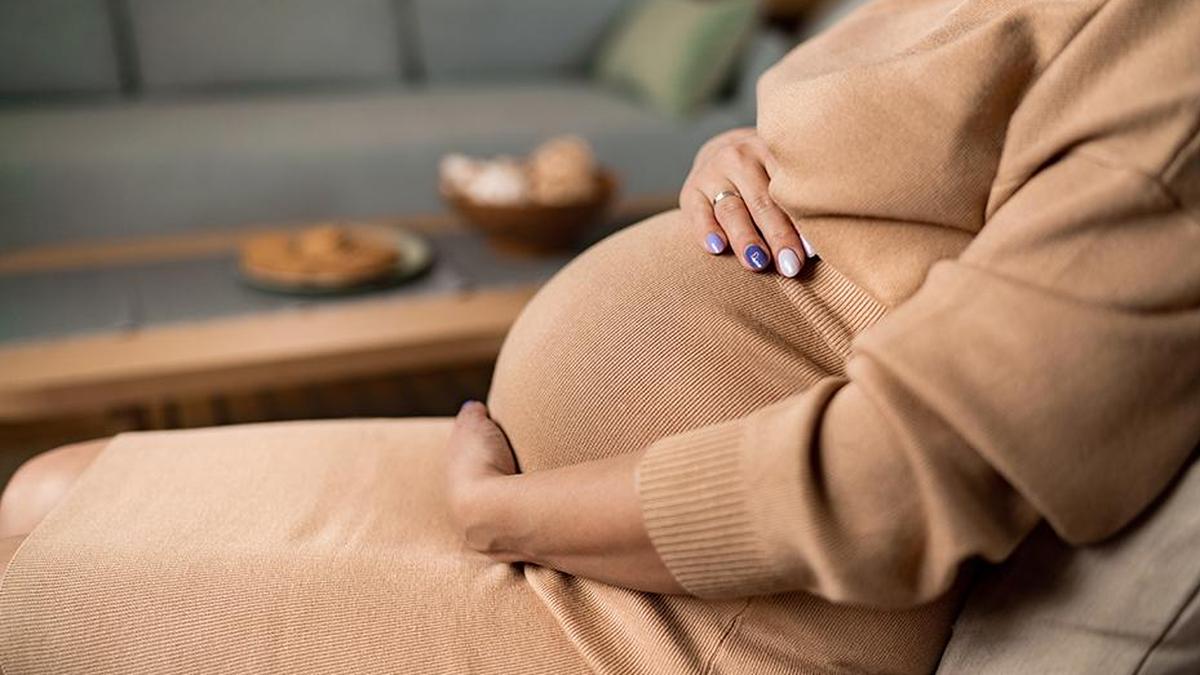
If you’ve never heard about a co-relation between pregnancy and gallstones, you are probably not the only one. Research indicates and experts agree, however, that there is a link between hormonal changes during pregnancy (primarily elevated oestrogen levels) that increases the risk of developing gallstones. While men, too, are at risk of developing the condition, gallstones affect more women than men.
A community-based cross-sectional study of the prevalence of gallstone disease in India published in BMJPublic Health earlier this month, notes that India exhibits heterogeneity in the GSD [gallstone disease] burden across different geographic regions.” But “the female gender is considered a potent risk factor for gallstones.” The study highlights that the prevalence of gallstones in females is 2–3 times higher compared to males, and females were prone to an earlier onset of the disease -- approximately a decade earlier than males.
In November 2025, Pune-based clinical nutritionist Amita Gadre, in a post on social media, said that she had seen six cases of gallstones in a month in postpartum women. “Hormonal changes during this phase slow down gall bladder emptying,” and thus, elevate the risk, she explained. “Women are twice as likely as men to form cholesterol gallstones, and this gender difference begins during puberty and continues through the childbearing years. When oestrogen levels are elevated, this tells the liver to dump more cholesterol into bile than bile salts can dissolve, and when that happens, cholesterol crystallizes and gallstones are formed.” Oestrogen levels are often elevated via pregnancy, oral contraceptives, or hormone replacement therapy (HRT).
“Women are at higher risk of gallstones, and that risk increases during pregnancy. Increased hormones during pregnancy can cause higher cholesterol levels and delayed gallbladder emptying, which can lead to formation of gallstones” states a 2021 article on the JAMA Patient Page.
When there is too much cholesterol in the bile, and gallbladder movement is limited in flushing it out, a person is at risk of developing gallstones. Women’s hormonal lives, Ms. Gadre explained, keep pulling both levers in the wrong direction. “Women live in this hormonal environment repeatedly — through pregnancy, the pill, HRT — giving stones multiple chances to form” she said.
While gallstones may not create problems in many cases, medical care is required in cases where there are severe episodes of pain. These painful episodes may occur when stones become too big or block the flow of bile.


Join the Bengaluru job fair for ex-servicemen on February 27 to connect with top employers and showcase your skills.

Tushar Gandhi opposes displacement of people for Telangana Government's Gandhi Sarovar project in Hyderabad, urging reconsideration due to potential displacement of residents in Hyderabad.

Mangaluru will debut its first private electric passenger bus on February 26, enhancing eco-friendly transport options in the city.

Karnataka High Court relief for Ranveer Singh from police action over controversial remarks on sacred traditions, pending cooperation with investigation.

Farooq Abdullah urges Jammu and Kashmir students to evacuate Iran immediately amid rising tensions and airspace concerns.

IISc researchers unveil a brain circuit that suppresses itch during stress, advancing understanding of its neural mechanisms and potential treatments.

Maharashtra BJP appoints Navnath Ban as chief spokesperson and announces new office-bearers in recent organizational reshuffle.

Kerala High Court criticizes "The Kerala Story 2" for misrepresenting the state’s people and seeks pre-release screening.

Telangana intensifies fire audits and inspections to prevent accidents as summer heightens fire risks in Hyderabad.

Kerala Assembly adjourns amid protests over Sabarimala gold theft, with officials criticizing the opposition's actions and competence.

Rahul Gandhi criticises Uday Bhanu Chib's arrest, calling it a sign of dictatorial tendencies and supporting Youth Congress protests.

Directed by Sujeeth and produced by Niharika Entertainment and Unanimous Productions, the Nani starrer ‘Bloody Romeo’ promises to be a good mix of fun and action

Amitabh Bachchan and Kamal Haasan reunite for 'Kalki 2,' nearly 40 years after their last collaboration in 'Geraftaar.'