Why airlines cancel flights after volcanic eruptions Premium
The Hindu
Airlines cancel flights due to volcanic ash, prioritizing passenger safety; volcanic ash poses serious risks to aircraft engines.
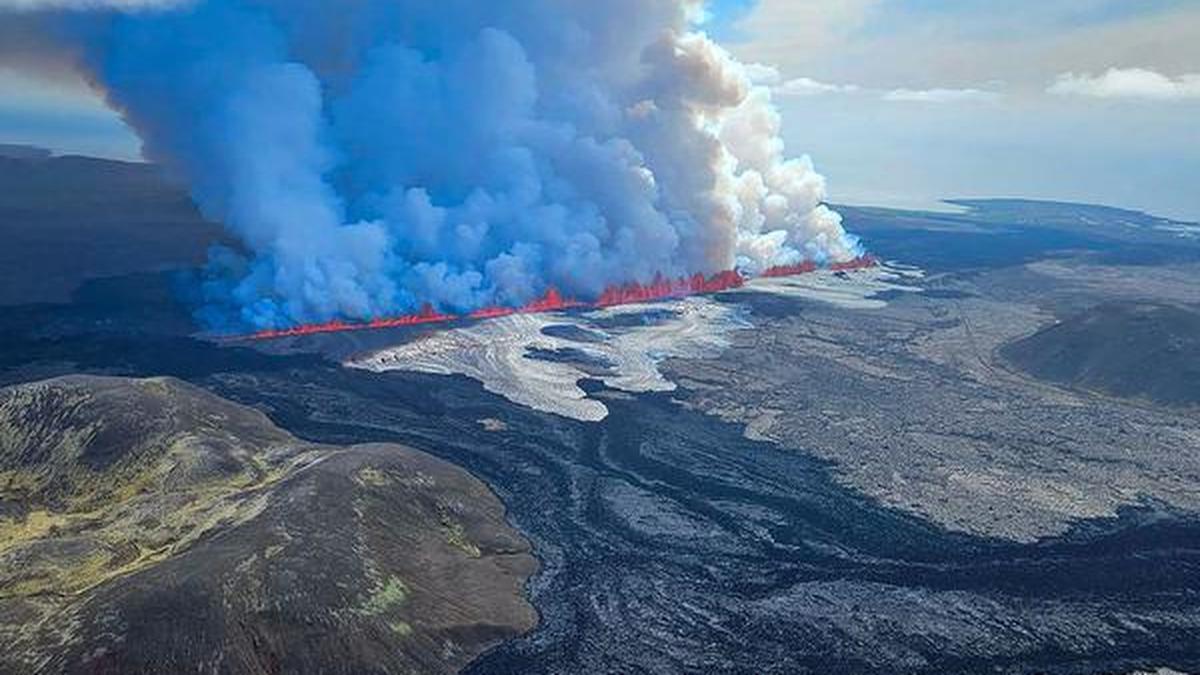
At least three airlines cancelled flights between Australia and Bali this week after a volcano eruption in eastern Indonesia spewed a vast plume of volcanic ash into the air.
But while would-be holiday makers are naturally upset at having their plans disrupted, it’s worth remembering it’s not safe to fly planes through volcanic ash.
So, how do airlines decide it’s not safe to fly when a volcano erupts? And why is volcanic ash so dangerous for aircraft, anyway?
Volcanic ash particles are very, very abrasive. They can cause permanent damage to windscreens in the aircraft and can even make windscreens look opaque – like someone has gone over them with sandpaper.
Imagine getting spectacles and scraping them over and over with sandpaper – that’s what you’d see if you were sitting in the cockpit.
Volcanic ash can also clog or damage external sensors, leading to erroneous readings, and can infiltrate an aircraft’s ventilation system. This can affect cabin air quality and lead to potential respiratory issues.
But the main issue, in fact, is the impact volcanic ash has on engines.


Environmental activist Bolisetty Satyanarayana urges urgent action to protect Kolleru Lake from ecological degradation and illegal aquaculture.

A 27-year-old man was murdered in east Bengaluru, with police suspecting a financial dispute as the motive.

A survey reveals a drastic decline in Thiruvananthapuram's house sparrow population, prompting calls for urgent conservation efforts.

AIADMK announces candidates A. Anbalagan and A. Gandhi for Puducherry Assembly elections in Oupalam and Orleanpeth constituencies.

Shorts News: Landslide hits Mandi after rain, nine houses evacuated

Three men arrested in Delhi for hoarding 74 LPG cylinders, facing charges under the Essential Commodities Act.

Bengaluru police summon Muthappa Rai's son, Ricky Rai, after a Lamborghini was caught performing dangerous stunts, raising public safety concerns.

LPG cargo ship from the US arrives at New Mangalore Port as charges waived amid West Asia conflict concerns.

Modi convenes ministerial meeting to address energy supply challenges amid West Asia conflict and ensure stable logistics nationwide.

CPI(M) negotiates with DMK over seat allocation for Tamil Nadu Assembly elections, aiming for six seats amid alliance talks.

Join our webinar to explore the necessity and impact of foreign universities establishing campuses in India.

PM Modi praises Bihar's rich culture and history in a heartfelt letter to CM Nitish Kumar on Bihar Diwas.

Former Minister Semmalai urges parties to limit freebies and prioritize development for Tamil Nadu's future prosperity.