Wholesale inflation dipped to 1.34% in March
The Hindu
On a month-on-month basis, the WPI was unchanged from February levels, with a sequential uptick in primary articles (1.2%) and food inflation (0.47%) offset by a 1.3% dip in fuel and power and a 0.3% decline in manufactured products prices.
India’s wholesale price rise slowed to 1.34% in March, with manufactured products prices falling nearly 0.8% from a year ago, when overall wholesale inflation was at 14.5%. Inflation measured by the Wholesale Price Index (WPI) stood at a 25-month low of 3.85% in February 2023.
While the Wholesale Food Index saw a slight reduction from the 2.8% uptick in February to 2.3% in March, primary articles inflation eased from 3.3% to 2.4%, while fuel and power inflation cooled to from 14.8% to 9% over the same period.
Also read: Wholesale inflation eased to 4.7% in January
Bucking the overall trend, however, inflation in Food articles accelerated to a five-month high of 5.5% in March, from 3.8% in February. Cereals and wheat inflation, despite cooling to multiple-month lows, remained sticky at 9.5% and 9.2%, respectively. Paddy prices rose 7.5% in March, the second highest pace in the last six months.
Vegetables prices continued to fall for the fifth month in a row, but the contraction from a year ago dropped to 2.2% in March from 21.5% in February. Sequentially, vegetable prices were up 5.5% during the last month from February’s levels.
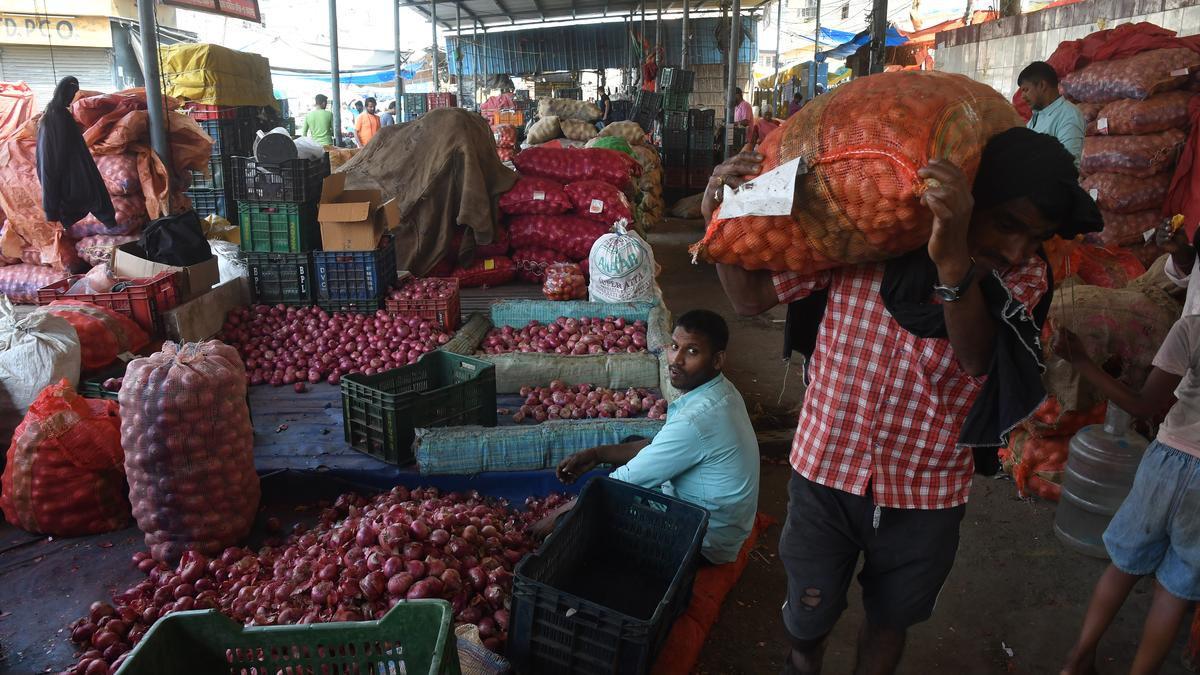
Milk inflation remained high at 8.5%, while onion prices fell year-on-year for the 19th month in a row since September 2021, with prices falling 36.8% during March. After four months of deflation, LPG prices rose 3.3% in March. Textiles products recorded a fourth successive month of falling prices, with the deflation rate quickening from 3.5% in February to 4.9% in March.
“Decline in the rate of inflation in March, 2023 is primarily contributed by fall in prices of basic metals, food products, textiles, non-food articles, minerals, rubber & plastic products, crude petroleum & natural gas and paper and paper products,” the Commerce and Industry Ministry said in a statement.


LPG crisis: Alternative solutions are being considered, with ammonia cylinders being increasingly used for industrial applications amid delays in commercial LPG deliveries.

India monitors U.S. military pause on Iran as oil prices dip; External Affairs Minister engages with GCC nations for support.

India monitors U.S.-Iran tensions as Trump pauses attacks, leading to a significant drop in oil prices.

Union Minister Ashwini Vaishnaw launches three initiatives to enhance India's creative economy through AI training, citizen platforms, and advanced tech access.

Two Indian-flagged LPG tankers approach the Strait of Hormuz, navigating safely amidst regional tensions to reach Indian ports.

Gold and silver prices plummet over 7% due to West Asia tensions, inflation fears, and a stronger dollar.

Asian shares fall as rising oil prices and escalating Iran conflict diminish hopes for U.S. interest rate cuts.

Japan's SoftBank Group said Saturday it plans to build a huge new gas-fired power plant in the US state of Ohio

Silver prices plunge 9% to ₹2.06 lakh per kg in futures trade amid weak global cues and rising macroeconomic pressures.

OpenAI plans to nearly double its workforce to 8,000 from 4,500 by the end of 2026, the Financial Times reported on Saturday, citing two people with knowledge

Global equity markets plummet as West Asia tensions rise and oil prices surge, triggering significant investor anxiety.

The rupee hits a record low of 93.94 against the dollar amid foreign fund outflows and a crashing equity market.

The Thane police have arrested two co-founders of cryptocurrency exchange platform CoinDCX in connection with an alleged fraud of Rs 71.6 lakh, officials said