Who are the Yakuza and what is going on in U.S. nuclear trafficking case?
Global News
A Yakuza boss allegedly tried to sell nuclear material to an Iranian general in exchange for weapons for a Burmese insurgent leader, according to U.S. law enforcement officials.
A member of the notorious Yakuza crime syndicate allegedly tried to sell nuclear materials to undercover agents posing as an arms dealer and an Iranian general in exchange for weapons for a rebel leader in Myanmar, U.S. authorities say.
“It is impossible to overstate the seriousness of the conduct alleged in today’s indictment,” U.S. Attorney Damian Williams said in an indictment announced Wednesday that has made headlines around the world.
Court documents allege Takeshi Ebisawa, a leader of the Japanese criminal organization, tried to sell enriched uranium and plutonium in exchange for thousands of assault rifles, 50 rocket-propelled grenades and 20 surface-to-air missiles, among other arms, for an unnamed “leader of an ethnic insurgent group in Burma.”
He allegedly offered 50 metric tonnes of uranium and another substance used to make atomic weapons for more than $9 million, later offering plutonium, which he said would be “better” and “more powerful.”
The indictment indicates he thought he was speaking to a weapons and narcotics dealer who knew an Iranian general seeking to secure the tightly controlled material for Iran’s nuclear program.
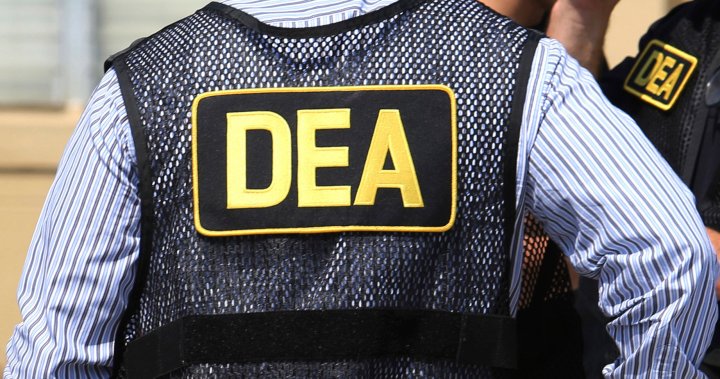
He was actually speaking to an undercover U.S. Drug Enforcement Agency (DEA) agent.
The indictment states that, beginning in early 2020, Ebisawa told the DEA agent and later the “general” (also an undercover agent) he had nuclear material to sell.
It says he sent them photos depicting “rocky substances with Geiger counters measuring radiation” as well as lab reports showing the material was radioactive, according to the document.


The Mina Al-Ahmadi refinery in Kuwait, which can process some 730,000 barrels of oil per day, is one of the largest in the Middle East.

U.S. intelligence, military and law enforcement officials unanimously agreed that an intelligence assessment doubting a foreign role in the 'Havana syndrome' should be withdrawn.

The federal Conservatives accuse the government of being too secretive about the war and point out that Canada's allies are sharing such information openly at daily briefings.

Canada is amongst several nations who 'condemn in the strongest terms recent attacks by Iran on unarmed commercial vessels in the Gulf.'

Gas prices in Canada have been climbing sharply since the Iran war began, but how much higher they could go is unclear as consumers struggle with the higher cost of living.

The Oscar-winning actor has denied all allegations against him and maintains that the incidents raised in the lawsuits either did not happen or were consensual.

European leaders have deflected entreaties from U.S. President Donald Trump to send military assets to secure the Strait of Hormuz.

All six crew members of a KC-135 Air Force refueling aircraft were killed last week in a plane crash over friendly territory in western Iraq, supporting operations against Iran.

U.S. Director of National Intelligence Tulsi Gabbard testified that the regime remains intact and Tehran and its proxies remain capable of attacking U.S. and allies' interests.

James 'Jimmy' Gracey was reported missing after he didn't return to the short-term rental where he was staying with friends during spring break.

The U.K. Health Security Agency described the event as 'rapidly evolving' and warned of the potential for further cases.

U.S. benchmark crude fell US$1.24 to US$94.53 per barrel. Brent crude, the international standard, rose to US$104.17 per barrel. That's down from more than US$106 on Monday.

Volodymyr Zelenskyy urged Ukraine's allies not to forget about his country, and suggested the U.S. and others should make use of Ukraine's anti-drone technology during the war.