White House says DHS is using intelligence to identify student protesters following Mahmoud Khalil’s arrest
CNN
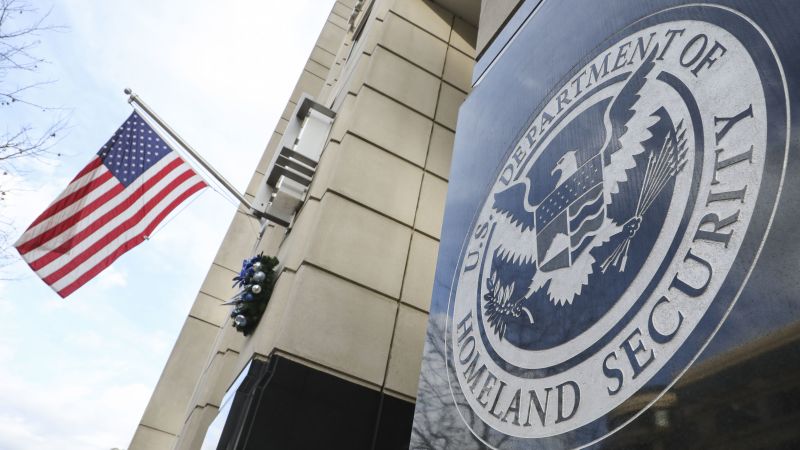
The Trump administration said it is using intelligence collected by the Department of Homeland Security to identify international students who participated in protests against the Israel-Hamas war across dozens of college campuses last year, days after a Palestinian activist was detained by federal agents over protests at Columbia University.
The Trump administration said it is using intelligence collected by the Department of Homeland Security to identify international students who participated in protests against the Israel-Hamas war across dozens of college campuses last year, days after a Palestinian activist was detained by federal agents over protests at Columbia University. “They have been using intelligence to identify individuals on our nation’s colleges and universities who have engaged in such behavior and activity and especially illegal activity,” White House Press Secretary Karoline Leavitt told reporters during a news briefing Tuesday. Leavitt did not provide more information about the intelligence she said DHS was using for the targeted arrests. According to Leavitt, DHS has also shared a list of student names with Columbia University and accused the school of not cooperating with White House efforts to identify them. “Columbia University has been given the names of other individuals who have engaged in pro-Hamas activity, and they are refusing to help DHS identify those individuals on campus,” Leavitt said. “As the president said very strongly in his statement yesterday, he is not going to tolerate that and we expect all of America’s colleges and universities to comply with this administration’s policy.” Columbia University did not immediately return a request for comment.


In the days after winning the Democratic nomination for Senate, Illinois Lt. Gov. Juliana Stratton spoke to the two women with whom she could make history next year.

This month, terrorist suspects in the alleged bomb-throwing in New York City and the synagogue attack in Michigan visited Phantom Fireworks stores shortly beforehand.

In near-daily briefings with top military officials at the White House, President Donald Trump has reviewed options that include sending American troops into Iran.

With his Atlantic City casinos in duress in the 1990s, Donald Trump saw a potential lifeline in sports betting and aggressively campaigned to legalize it in New Jersey. But when state powerbrokers shut him down, Trump vowed that he’d eventually find a way to win.

Unpaid Transportation Security Administration workers are struggling to stay afloat – and on the job – amid a partial government shutdown that has frustrated travelers inching through security lines that stretch for hours, with wait times only expected to worsen this weekend.

As Havana calls on Cuban exiles to invest in the island, many in the United States are rejecting the offer outright, viewing it as a desperate move by a government under mounting pressure.

After weeks of stalemate — and mounting airport delays nationwide — leaders in both parties are scrambling to work out a deal to reopen the Department of Homeland Security, though it remains unclear if a compromise is in reach.

Trump administration officials are making a desperate push to secure every available barrel of oil amid a worsening energy crisis — even if it means lifting sanctions on the very country that they’re fighting against.

A federal judge on Friday voided various parts of a restrictive press policy rolled out by Defense Secretary Pete Hegseth last year, ruling that they trampled on the constitutional rights of reporters who seek to cover the US military from within its sprawling headquarters.

President Donald Trump is reshaping a Colorado Republican primary by offering one of the candidates a role in his administration and returning his endorsement to the incumbent, whom he called a “RINO” just last month.

More than a month into the Department of Homeland Security shutdown, lawmakers on Capitol Hill are reckoning with their own travel privileges amid anxieties the funding crunch could exacerbate issues at already understaffed airports around the country.

TV host and comedian Bill Maher has been chosen to receive the prestigious Mark Twain Prize for American Humor, two sources close to the Kennedy Center told CNN.

Conventional wisdom has set in that President Donald Trump’s base is sticking with him on the Iran war, but he has alienated significant portions of his voters — and risks alienating more.