What to know about how GLP-1 medications might fight addiction
ABC News
A new study finds that popular GLP-1 drugs used to treat diabetes and obesity show new promise in fighting multiple substance use disorders
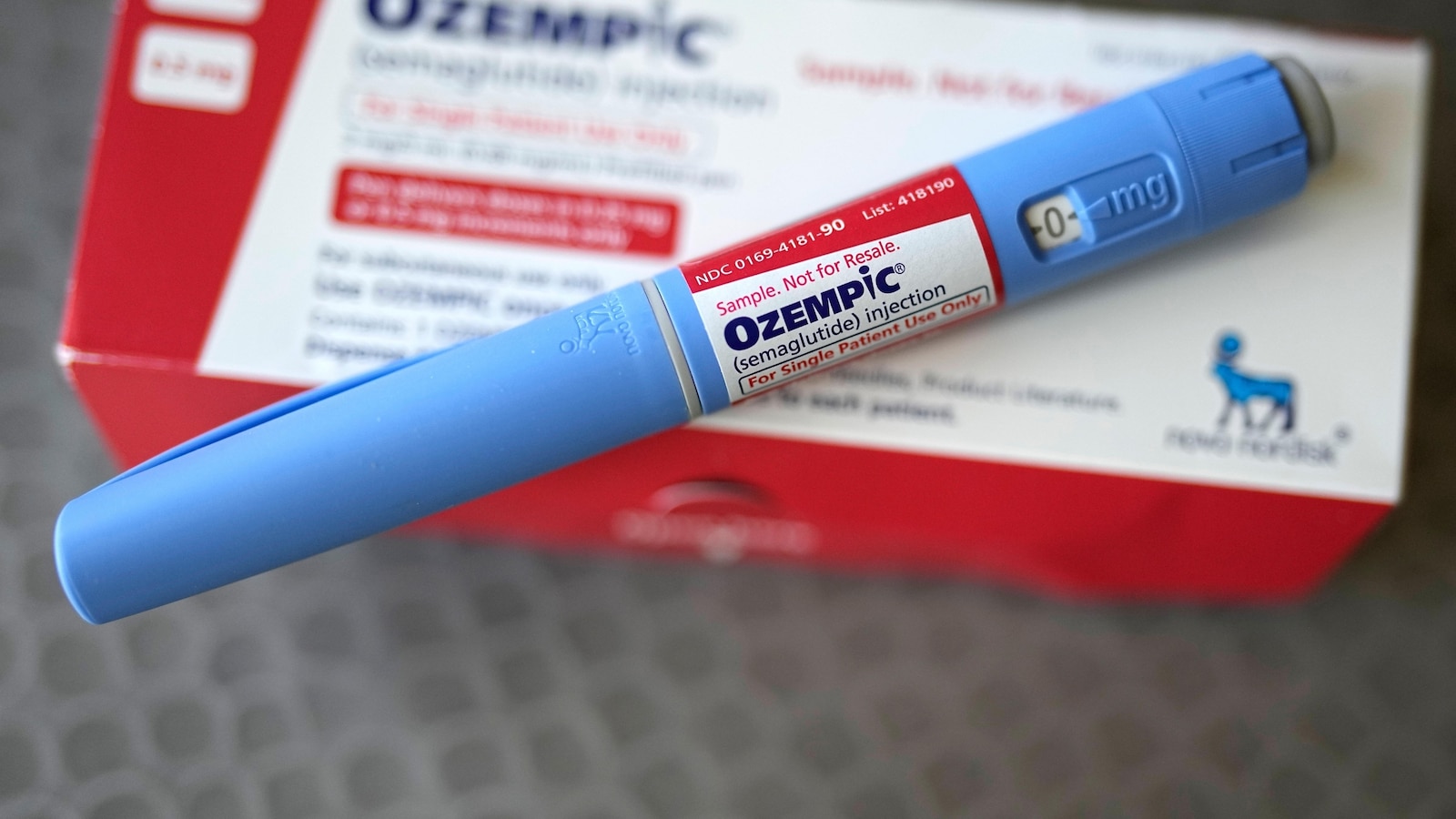
The blockbuster GLP-1 drugs that have reshaped the treatment of diabetes and obesity may help prevent multiple substance use disorders — and reduce the tragic outcomes they cause, a large new study finds.
An analysis published Wednesday in a medical journal looked at electronic health records from more than 600,000 U.S. Veterans Affairs patients with diabetes. It found that those treated with medications such as Ozempic and Mounjaro were less likely to develop addictions to alcohol, nicotine, cocaine, opioids and other substances than those treated with a different class of drugs.
In those already addicted, the GLP-1 drugs were linked to lower risks of hospitalization, overdose and death, according to the study.
The new results suggest — but don’t prove — that the weight-loss medications may be able to target the underlying source of cravings that affect the more than 48 million Americans with substance use disorders.
“They're actually working against the root cause of all these different addictions,” said Dr. Ziyad Al-Aly, the study’s lead author and a chief researcher at the VA St. Louis Health Care System.


Rural school districts say the Trump administration’s visa changes are jeopardizing a key source of teachers

Cuba is grappling with a fast-growing wave of synthetic drug use that is hitting young people hard

An old NASA science satellite is no more

Stryker, a U.S. medical equipment company, says a cyberattack has disrupted its global networks

Virginia senators are pushing to curtail a 5.3% tax break for data centers

The Iran war is testing America's ability to combat swarms of cheap drones that have become a staple of the modern battlefield after Ukraine and Russia demonstrated how effective they can be

Hawaii's Kilauea volcano is shooting lava fountains up to 1,000 feet, and falling ash and volcanic fragments are forcing temporary closures on the Big Island

Meta is acquiring Moltbook, a social network where AI agents post and chat with each other

The FDA is approving a generic drug for a very rare genetic disorder, but not for autism

A new study in the journal Nature Cities shows that as temperatures rise aboveground, the number of subway riders reporting uncomfortable heat belowground increases

Tomoko Kobayashi reopened her inn in northeastern Fukushima to bring a sense of normal life back to her deserted hometown five years after the nuclear disaster

French President Emmanuel Macron is traveling to Cyprus

Bigger and bigger data centers are leading to proposals for massive electric power transmission lines, sometimes across hundreds of miles