What the IAEA’s non-compliance resolution means for Iran, and the world Premium
The Hindu
IAEA declares Iran in breach of obligations, sparking global tensions over nuclear program and potential sanctions.
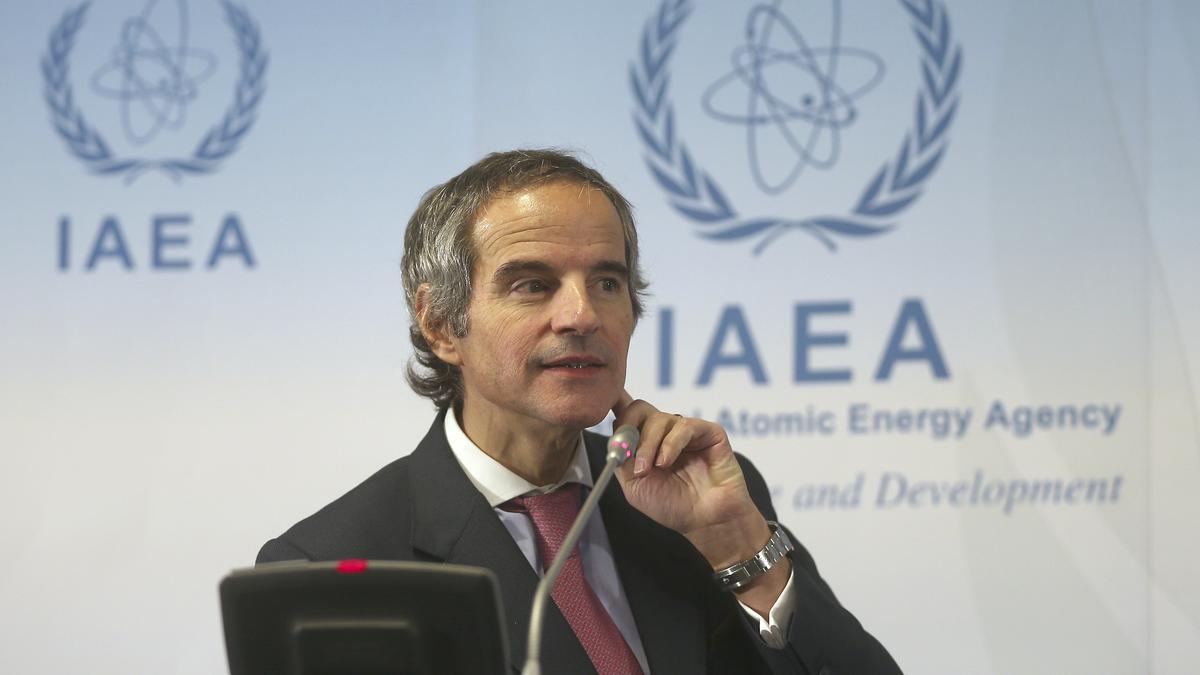
On June 12, 19 the Board of Governors of the International Atomic Energy Agency (IAEA) voted in favour of declaring “that Iran is in breach of its obligations under its 1974 Comprehensive Safeguards Agreement”.
Just a day later, Israel mounted what it called “preliminary strikes” against nuclear facilities in Iran and declared a state of emergency at home.
Three Board members — China, Russia, and Venezuela — voted against the resolution while 11 abstained. The Board represents 35 states in all.
The Board also expressed “grave concern” over Iran’s inability to explain traces of uranium found at the country’s Lavisan-Shian, Varamin, and Turquzabad sites.
The IAEA is the U.N. nuclear watchdog tasked with promoting the use of nuclear energy for peaceful purposes and to discourage military applications, including in nuclear weapons.
This is the first time the Board has formally established non-compliance, which is required before it can escalate the matter with the U.N. Security Council. A previous resolution had only “urged” Iran’s cooperation.
Other Gulf states have welcomed the resolution. Israel, in addition to launching its strikes in the early hours of June 13, repeated its stance that it won’t “allow” Iran to enrich uranium to 90%, which is required to produce nuclear weapons.


Discover the Minor Planet Centre, the key hub for tracking and verifying observations of small solar system bodies.

In this week's Science for All newsletter, XX explains

Test your knowledge with the quiz on Science films at the Oscars through history

Set between the Siwalik hills and the plains, Butwal offers travellers a mix of regional cuisine, pilgrimage trails to Lumbini and the comfort of Hyatt’s new hospitality landmark

Explore 2026's wallpaper trends in India, highlighting botanicals and handmade designs that enhance modern homes with nature-inspired aesthetics.

Mercedes-Benz CLA 250+ with EQ Technology review: design, performance, range and features explained. Discover how the new electric CLA combines advanced AI, long range, fast charging and futuristic styling for the next generation of luxury EVs.

AI tool for sparrow conservation

BTS’s comeback with ‘Arirang’ marks a major global music event. When does the album release, and where can you watch their concert live stream? We have all the details

The 2026 U.S. cholesterol guidelines urge starting screening and treatment at 30 to prevent cardiovascular disease effectively.

Olam Festival 2026 in Thiruvananthapuram returns March 27-29 with 120+ vendors, music, art, and cultural zones.

A few storytellers in Thiruvananthapuram share their journeys, challenges, and evolving methods on World Storytelling Day, inspiring young minds.

76-year-old Kurian Jacob from Kerala triumphs with seven medals, including five golds, at the Open Masters Games in Abu Dhabi.

Explore the nature of the human mind as an emergent property of brain activity and complex neural interactions.