What’s slowing down America’s clean energy transition? It’s not the cost
Al Jazeera
For the first time, clean energy in the United States is at the same price as energy from burning fossil fuels thanks to policy measures, including President Joe Biden’s signature climate legislation, the Inflation Reduction Act (IRA). But a new report says non-cost barriers are now slowing the country’s transition to renewables.
The report, released in February by the Clean Investment Monitor, analysed different modelling scenarios and found that the IRA is expected to meet its goal of reducing GHG emissions by roughly 40 percent by 2030.
Passed in 2022, the IRA is the largest investment to address the climate crisis ever passed in the US. The investment is significant in a country that is one of the world’s largest contributors to GHG emissions. (China, the US and India are the world’s top three emitters.)
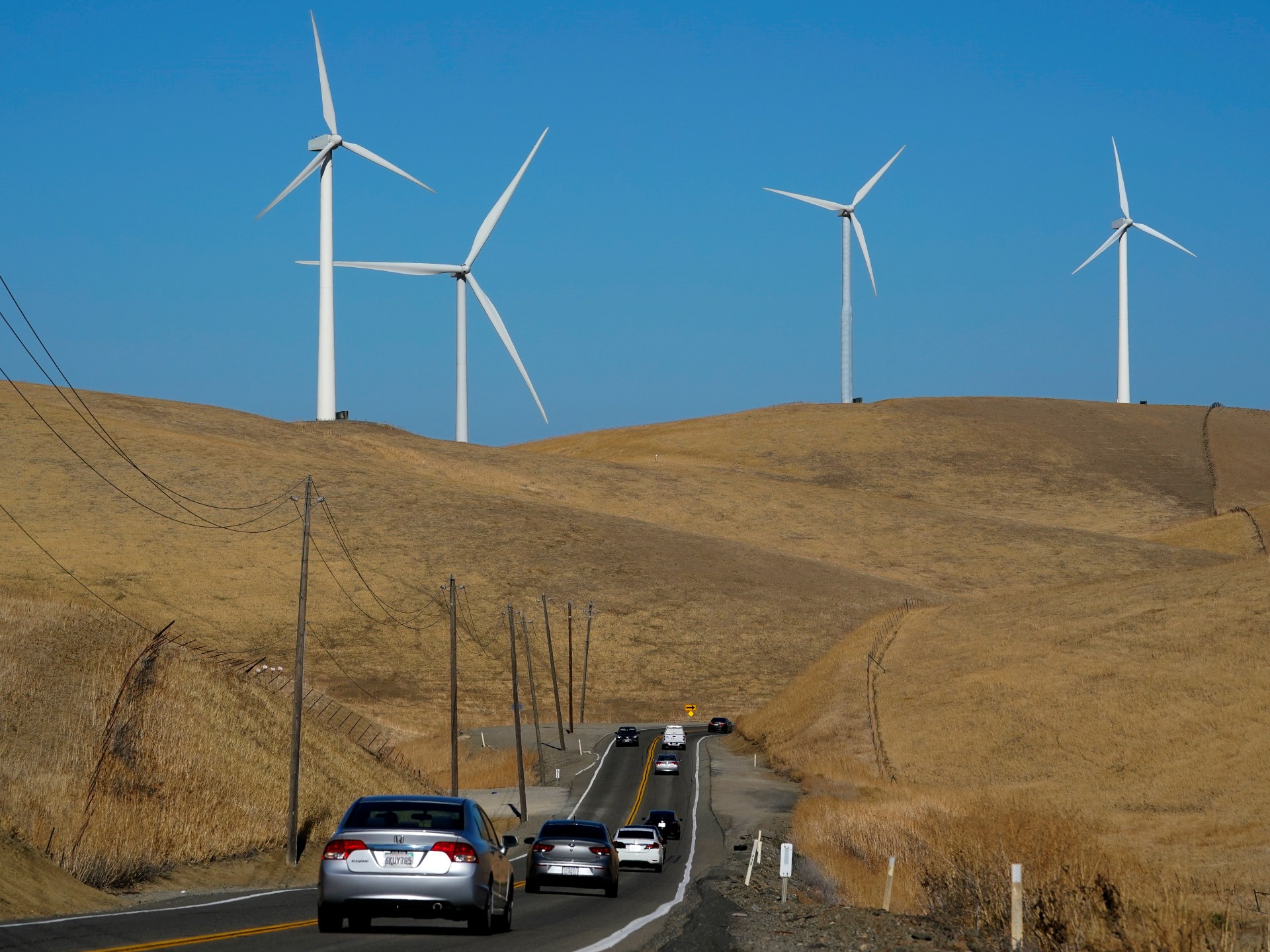
The report found that electric vehicle sales were at the top of the projected range in 2023, and investment in utility-scale clean electricity reached record levels last year. However, factors like local opposition to renewables and long delays in grid connection are slowing the pace of the clean energy transition.
Trevor Houser, one of the lead authors of the report, said two decades of policy work, including the passing of the IRA, have reduced the cost of clean energy to the point that it is competitive with coal and fossil gas (called “natural gas” by the fossil fuel industry), and can be deployed without increasing prices for households and businesses.


International Energy Agency warns against a politically and economically wrong return to reliance on Russian energy.

Lawsuit is to stop the 10 percent tariffs that Trump immediately imposed after US Supreme Court struck down previously imposed tariffs.

Havana’s streets have changed as a US fuel blockade restricts the movements of vehicles and people and hits businesses.

Anonymous bets hours before attacks on Iran that killed Supreme Leader Khamenei have raised concerns of insider trading.

Thousands of passengers are stranded as major Gulf hubs, including Dubai, have remained closed or severely restricted for a fourth day.

There has been a weeks-long feud between the Pentagon and Anthropic over concerns about how the military could use AI at war.