What is Black History Month and why does it matter?
Al Jazeera
Black History Month is an annual celebration of African-American history and contributions in the formation of the modern US.
February is celebrated as Black History Month (BHM), which highlights African-American history and the contributions of Black people in the United States.
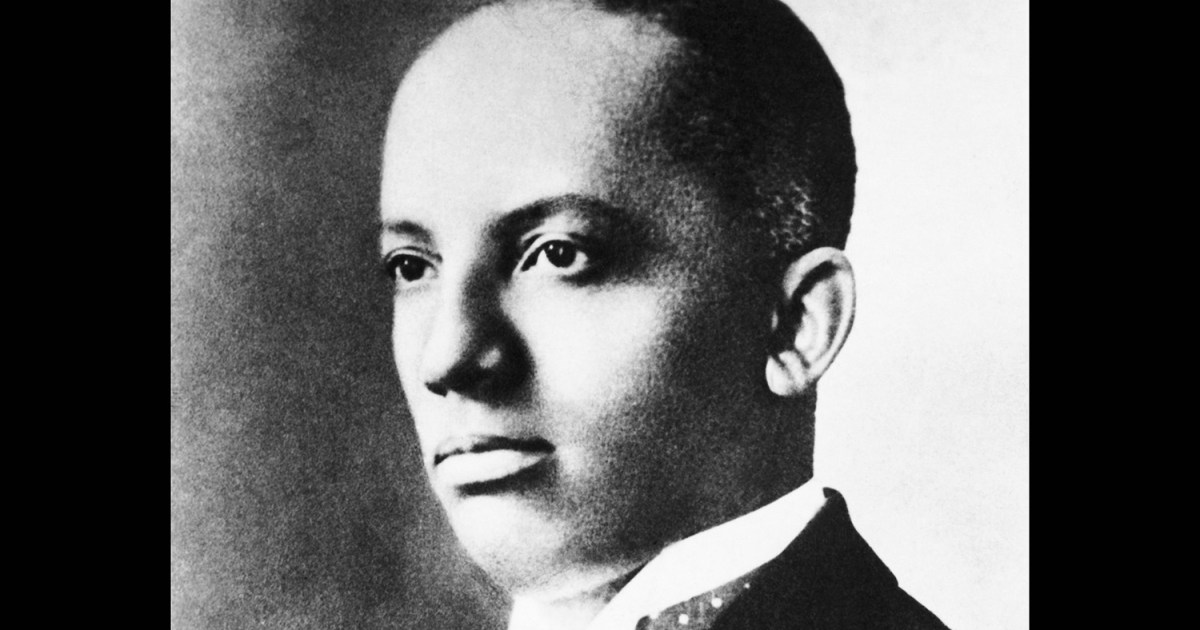
It has been almost 100 years since Carter G Woodson, known as “the father of Black history”, started Negro History Week in 1926, which set the stage for what is now known as Black History Month. The annual event is now observed across several countries.
In the US, BHM is normally celebrated around a theme with activities at universities, schools, museums and the like. This year’s theme is the contribution of African Americans to art.
These contributions are vast, from stoneware jars made by enslaved people to the Harlem Renaissance in the 1920s, from the Black Arts Movement in the 1960s to the creation of music, including jazz, rock and hip-hop.
African-American contributions to the arts date back hundreds of years during the times of American slavery with the creation of the banjo, which descended from West African instruments. Slavery was abolished in the US in 1865, but deep-seated anti-Black sentiment continued pushing Black culture and history to the margins of American society.


US presidents have long bypassed Congress’s authority, and dissenting lawmakers have often tried to fight back.

Qatar foreign ministry spokesman slams Israeli attack on Iran’s offshore gasfield as ‘dangerous, irresponsible step’.


Senegal were stripped of the AFCON title after an appeals board review by CAF into a mid-final protest by its players.

Millions have been plunged into darkness in Cuba as the US’s total blockade has meant no fuel shipments for three months.

Hundreds have been arrested as Iran cracks down on ‘traitors’ following killing of Larijani, Soleimani.

Alexander Butyagin, an academic with Russia’s Hermitage Museum, is accused of illegal excavations in occupied Crimea.


After Morocco were awarded 2025 AFCON title, Senegal will appeal CAF’s decision – but how did we get here and what next?

The crisis of a fertiliser shortage threatens global food security amid Iran war.

Japan will face Australia in the final of the 2026 AFC Women’s Asian Cup after beating South Korea 2-1 in the semifinal.

Global sports leaders reached consensus on a new set of eligibility criteria for transgender athletes in February.