What can politicians do to lower gas prices?
CBSN
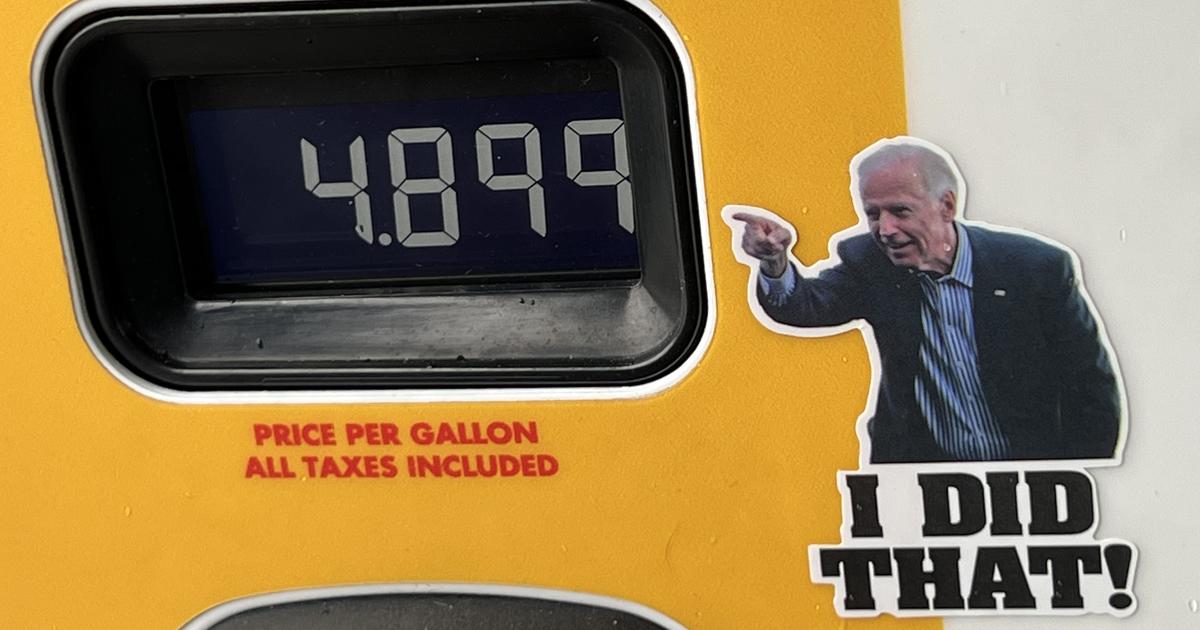
With Americans facing the highest gas costs in eight years, elected leaders understandably eager to bring down prices at the pump. State governors from Washington to Florida have rolled back gas taxes, while the White House is again floating the idea of tapping the U.S. emergency oil reserves.
It's no mystery why: Research shows that public disapproval of sitting presidents tends to rise along with the cost of a fill-up. For those in office, then, at least appearing to be doing something — anything — about spiraling gas prices is paramount.
"The person in the White House is responsible for what we're seeing at the pump, in the public's imagination — no question about that," said historian Meg Jacobs, author of author of "Panic at the Pump: The Energy Crisis and the Transformation of American Politics in the 1970s." "That was true in the '70s. That remains true today."


President Trump ordered the release of 172 million barrels of oil from the United States' Strategic Petroleum Reserve on Wednesday, after oil prices rocketed to their highest levels in years amid the U.S.'s war with Iran.

U.S. motorists are likely to face higher gas prices for several weeks even if crude oil remains stable, according to GasBuddy petroleum analyst Patrick De Haan. Edited by Aimee Picchi In:

The Federal Aviation Administration has grounded all JetBlue flights due to a request from the airline, the agency said in a notice on Tuesday. In:

"It's been a long time since we've had a bad event," said Lloyd Blankfein. "It's been 17 years since the financial crisis." The former CEO of Goldman Sachs, who led the bank through that historic crisis, says it happened before, so it'll happen again. In:

On the day that marks 13 years since the death of Venezuelan socialist strongman Hugo Chávez and two months after the Jan. 3 U.S. operation that captured Nicolás Maduro, the scene in Caracas looks strikingly different from the anti-U.S.-imperialism rhetoric that founded Chavismo and was echoed by his successor. In:

We may receive an affiliate commission from anything you buy from this article. In:

Companies in the U.S. that paid tariffs invalidated by the Supreme Court in February are legally entitled to refunds, a federal judge ruled on Wednesday. In:

Target will invest another $2 billion in its business this year to spruce up stores, remodel locations and invest in workers, the retailer said Tuesday as it outlined plans to try to reverse a persistent sales malaise and reclaim its footing in fashion and home categories. In:

Defense Secretary Pete Hegseth deemed artificial intelligence firm Anthropic a "supply chain risk to national security" on Friday, following days of increasingly heated public conflict over the company's effort to place guardrails on the Pentagon's use of its technology. Jo Ling Kent contributed to this report. In: