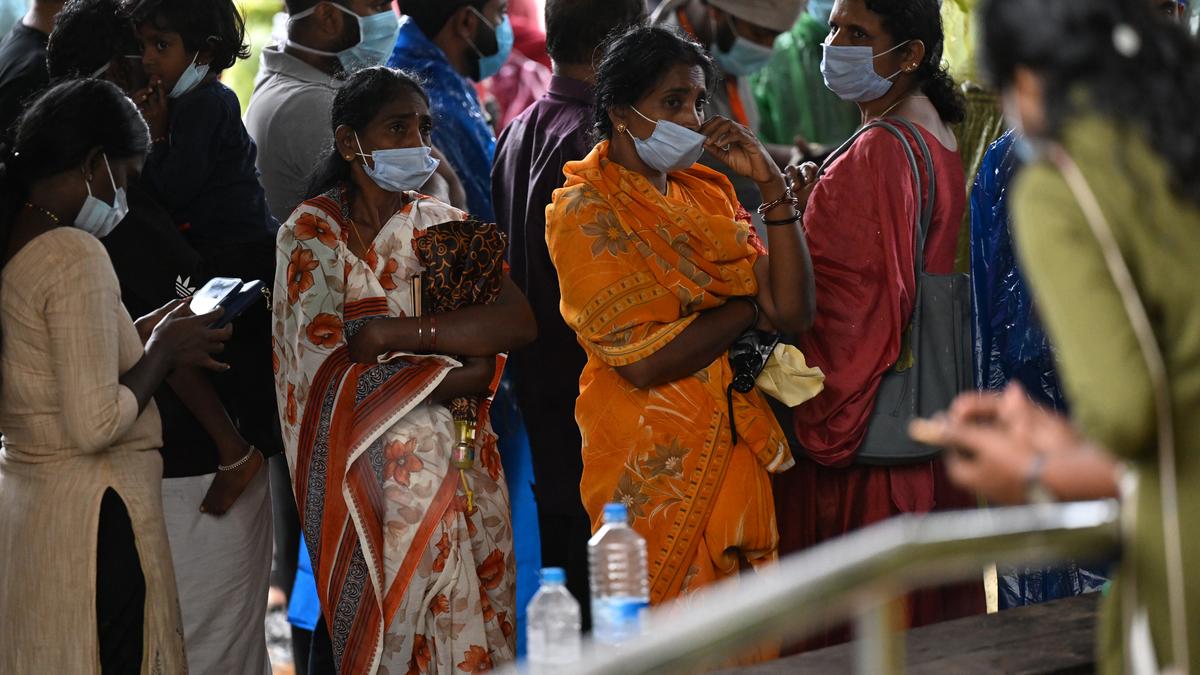
Wayanad landslides: addressing acute stress reaction need of the hour
The Hindu
Addressing PTSD after natural disasters like the Wayanad landslides in Kerala is crucial for mental health, experts emphasize.
The need to address the possibility of post-traumatic stress disorder (PTSD) in the aftermath of a natural disaster has been highlighted against the backdrop of the Wayanad landslides in Kerala.
According to clinical psychologists, after every traumatic experience such as road accidents, floods, or landslides, the victims develop an acute stress reaction that could persist for around a month. If left unaddressed, this may lead to PTSD.
After the devastating floods of 2018, there had been reports of schoolchildren affected by the tragedy complaining about a ringing or booming sound in their ears, or feeling sudden shocks while they attend classes. They were found to be crying loudly after visualising landslides or their houses suddenly collapsing, a mental health professional who attended such children told The Hindu.
Also read: ISRO releases satellite before and after images of landslide at Chooralmala in Wayanad district of Kerala
“News and information about the Wayanad landslides are now constantly communicated through various media platforms. Those staying in the hilly regions of other districts could also have tension, anxiety and fear about a possible disaster,” a clinical psychologist attached to the Health department pointed out. Among them, there could be people at home who are on medication, and those already under psychiatric care. Such people should be provided psychological first-aid.
“They should be first shifted from the situations that trigger acute stress reactions. A safe space should be created to narrate their experiences and someone should listen to them. We need to let them process their emotions,” Abraham Bose, clinical psychologist, Bishop Vayalil Hospital, Moolamattam, Idukki, said.
Dr. Bose pointed out that if there was no outlet valve to free their negative emotions, the pent up feelings could lead them to drug or alcohol addiction, homicidal tendencies, or thoughts about ending their lives. Trained professionals should be deployed to address their specific needs and if required, long-term therapies could be advised. In the case of children, their attention could be diverted to creative works such as painting or plays.


Supreme Court criticises Haryana Police for mishandling a four-year-old rape case, mandates swift action and oversight with a Special Investigation Team.

On World Theatre Day 2026, artists in Hyderabad call for affordable venues as rising costs and infrastructure gaps challenge the city’s theatre ecosystem.

Madhapur police seize 31 illegally transported commercial gas cylinders, ensuring public safety and compliance with regulatory norms.

Punjab AAP MLA Harmeet Singh Pathanmajra arrested in Gwalior after evading police in a rape case for over six months.

Bose Krishnamachari resigned from the Kochi Biennale Foundation amid sexual harassment allegations, confirmed by the foundation's chairperson.

Apple Maps, an app that comes bundled on hundreds of millions of iPhones and other devices each year, will display paid advertising on top of existing organic search results

From the universe’s many wondorous objects to a fascinating pattern of numbers, and whether AI can possess superhuman strength, Science At The Sabha will have fascinating talks for participants of all ages

A Sikh organisation has lodged a complaint against the makers of the film alleging that the movie’s promotional material has hurt the religious sentiments of the Sikh community

Speculation over Congress' Chief Ministerial candidate in Kerala persists despite party leaders' attempts to quell the discussions ahead of elections.

A fake dentist operating illegal clinic in Hyderabad's Old Neredmet has been arrested for endangering public health.

Explore the concept of Force Majeure and its implications amid ongoing geopolitical conflicts affecting global gas exports.

Malavika Sarukkai’s latest production Beeja explores humanity, Nature and healing through the language of dance.

Hindustani expert N Rajam and Mandolin Rajesh are among the National Awardees of the Sree Ramaseva Mandali’s Chamarajpet Ramanavami this year